For people with food allergies or gluten sensitivity, choosing a snack requires more information than the label alone provides.
Hazelnuts belong to the tree nut group and are among the recognised food allergens. Allergic reactions range from skin rashes to breathing difficulty.
People with a tree nut allergy should avoid hazelnuts and products containing them. This holds regardless of how natural or additive-free the product is; the allergy is to the hazelnut's own protein, not to any additive.
Where an allergy is suspected, do not experiment, see a doctor for diagnosis.
Yes. Hazelnuts contain no gluten naturally. Gluten is a protein group found in wheat, barley and rye; there is no equivalent in hazelnuts.
But there is a critical distinction here: the problem is not the hazelnut itself, it is what is done to it.
In hazelnut-based products, the following can remove gluten-free status: flour, starch, biscuit crumb, malt, certain glucose syrups and some thickening additives.
A product having "hazelnut" in its name does not mean it contains only hazelnuts. Flour is widely used in cookies, coatings and filled products.
When a gluten-free ingredient is processed on the same line as gluten-containing products, a contamination risk arises. Equipment, air and storage conditions are the sources.
In coeliac disease even very small amounts can trigger an intestinal reaction. Production conditions therefore matter as much as the ingredient list.
Labels reading "produced in a facility that also handles gluten" or "may contain traces of gluten" point to this risk. People with coeliac disease should treat such products with caution.
The shorter the ingredient list, the less the uncertainty. A single-line list, for example, just "hazelnuts", is the easiest to assess.
Processed products marked "gluten-free" but high in sugar, vegetable oil and numerous additives can be nutritionally poorer than naturally gluten-free foods. "Gluten-free" alone does not mean "healthy".
Allergens are usually printed in bold or listed separately. Milk, soya, peanuts and other tree nuts should be checked in that section.
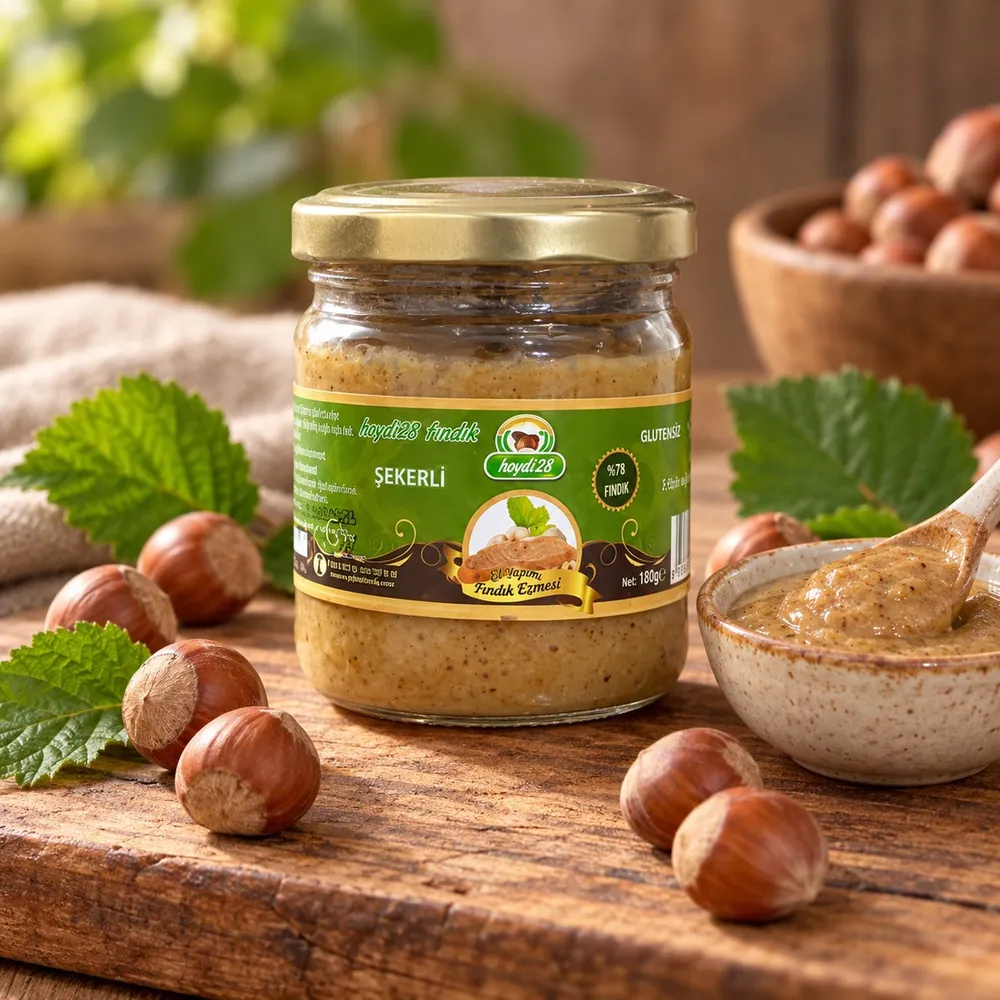
A plain hazelnut butter should have a short ingredient list: hazelnuts and, if present, sugar. Palm oil, emulsifiers, milk powder and starch change both the purity and the allergen profile.
Products containing milk powder are unsuitable for those with lactose sensitivity or milk allergy. This information usually sits at the end of the ingredient list and is easily missed.
Cocoa hazelnut butters and nougat spreads generally contain milk powder. A product being described as "natural" or "additive-free" does not mean it is milk-free.
The right approach for anyone with an allergy is to check that specific product's label rather than judging by product category.
When giving hazelnuts or hazelnut products to a young child for the first time, starting with a small amount is a common recommendation so that any reaction is noticed early.
Whole hazelnuts also present a choking risk for small children. For that age group, butter or ground forms are more suitable.
Produced under the right conditions, hazelnuts are a valuable option for people eating gluten-free; for those with a tree nut allergy they are not suitable.
The distinction lies in the label and the production conditions, not in the product name. When in doubt, asking the producer directly is the most reliable route.
This article is general information. Consult your doctor and dietitian for diagnosis and dietary planning.
USDA FoodData Central, hazelnut nutrient composition and allergen classification.
Boone Nutrition, gluten-free status of hazelnuts and cross-contamination assessment, 2026.
Healthline, "7 Ways Hazelnuts Benefit Your Health", phytic acid and allergen sections.
How soil, climate and altitude combine to give Giresun hazelnuts their distinctive aroma.
Read article →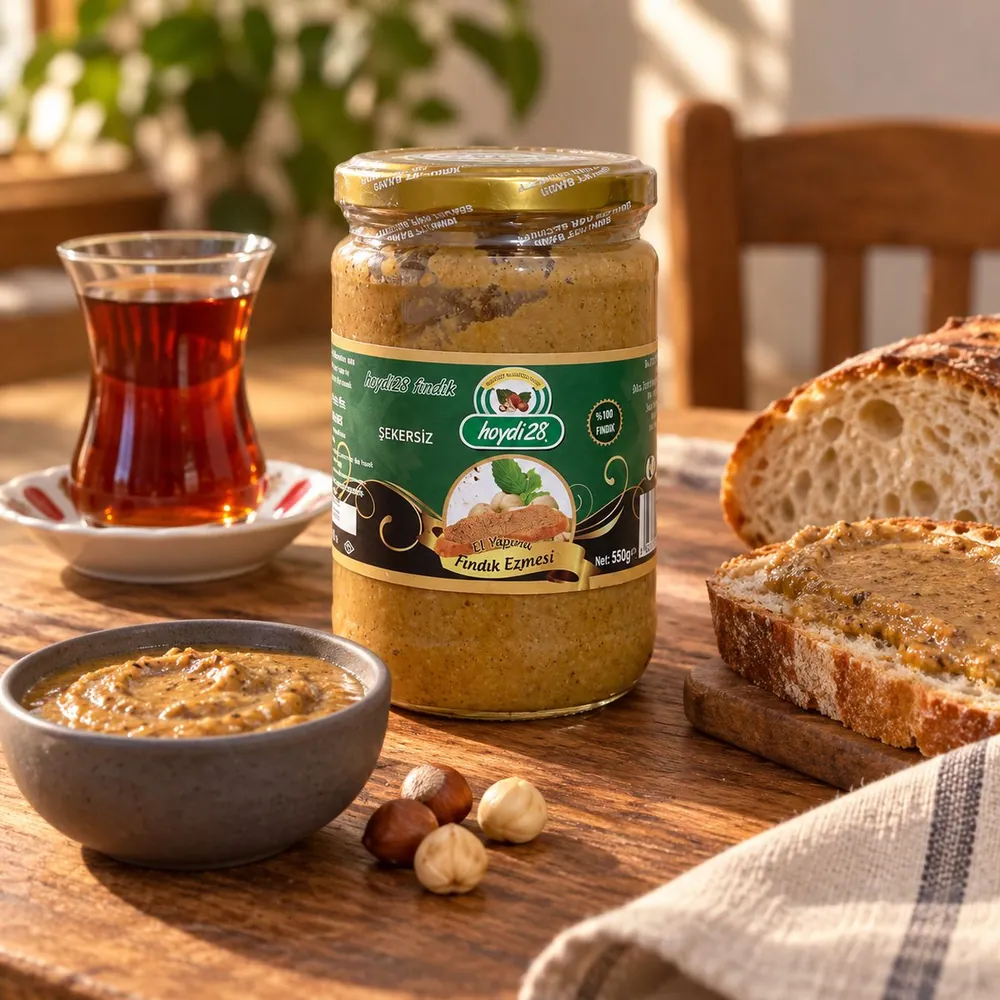
How to keep an opened jar fresh and smooth for months.
Read article →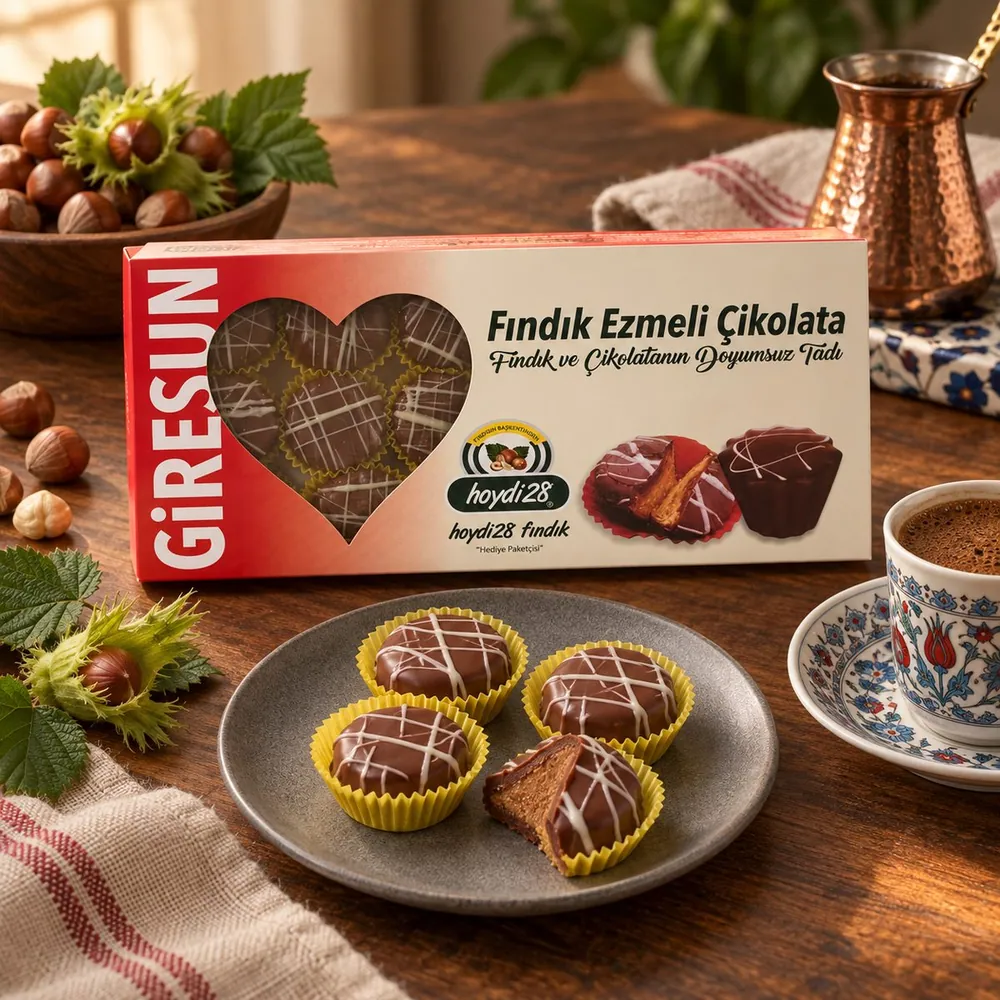
Why hazelnut boxes stand out for New Year and special-occasion gifting.
Read article →Karadeniz Fırtınası is made with hazelnuts alone. We use no fillers, flavourings, preservatives or emulsifiers, what the label says is exactly what’s in the jar.
 Chat on WhatsApp