The same question every morning: what do I pack today? Let's look at what is behind those products marked "for children", then move on to practical options.
In the University of Calgary study published in Pediatrics, 374 packaged products aimed at children were examined.
About 80% of those labelled gluten-free were high in sugar, and 88% fell into the low nutritional quality category because of sugar, sodium or fat.
The critical point: these products are mostly positioned as "healthy". The gap between the claim on the label and the nutrition table is a hard one for a parent to spot.
Usually the colour of the packaging and the cartoon character on it. It is not a defined nutritional standard.
Some of these products genuinely are suitable; but the way to tell is to look at the table on the back rather than the claims on the front.
Look at the **sugars** line in the nutrition table. Values above 20 g per 100 g are high.
Look at the **length of the ingredient list**. A snack with fifteen ingredients is more processed than one with three.
Look at the **first ingredient**. If it is sugar or glucose syrup, the product is essentially a sweet.
Fruit is always a good choice: apples, bananas, mandarins. A small container helps with anything that bruises.
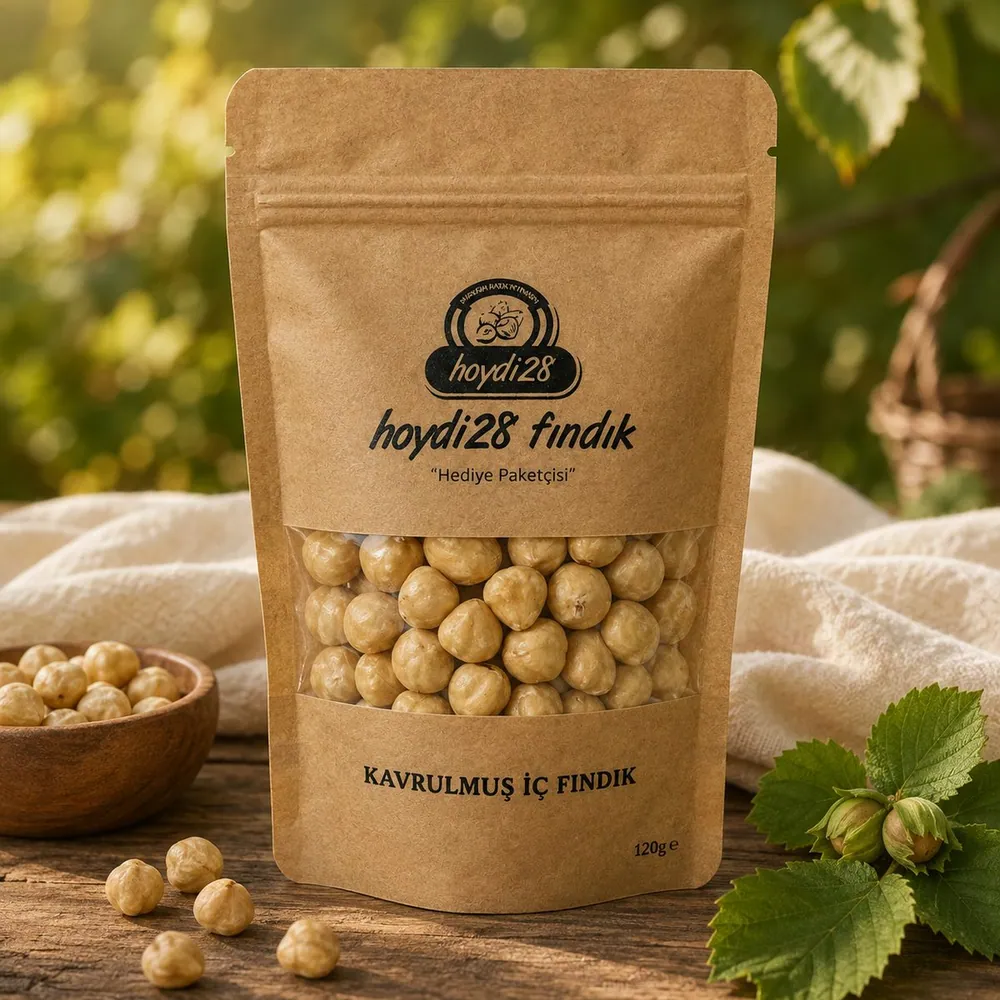
Nuts work well during school hours because they keep children full for longer. A handful is about 30 grams, and for a child aged four to six that covers a large share of the daily vitamin E requirement.
A spread on wholegrain bread takes less preparation than a sandwich.
Yoghurt and cheese are good protein options where the lunch box can be kept cool.
**Choking risk.** Whole hazelnuts pose a choking risk for small children. For that age group, butter or ground forms are more suitable.
**Allergy.** Children with a tree nut allergy must avoid hazelnuts and products containing them. Many schools also restrict nuts because of allergic pupils, check your school's policy before packing them.
If it is the first time, starting with a small amount helps any reaction to be noticed early.
A lunch box with no sugar at all is not a sustainable goal in most families. A more realistic aim is for sugar to be an occasional addition rather than the main snack.
Packing something a child dislikes does not work either; it comes home untouched. Deciding the options together with the child makes the plan more workable.
Most cocoa spreads list sugar first and vegetable oil second. Hazelnut content is around 13% in some products.
If you prefer hazelnut butter, make sure hazelnuts come first on the ingredient list. In sugar-free options the list is a single line.
This article is general information. If your child has an allergy, coeliac disease or another condition, plan their diet with your paediatrician and dietitian.
Elliott C., "Nutritional Quality of Gluten-Free Products Marketed to Children", Pediatrics, 2018.
USDA FoodData Central, hazelnut nutrient composition and portion values.
Boone Nutrition, hazelnut portions for children and micronutrient coverage, 2026.
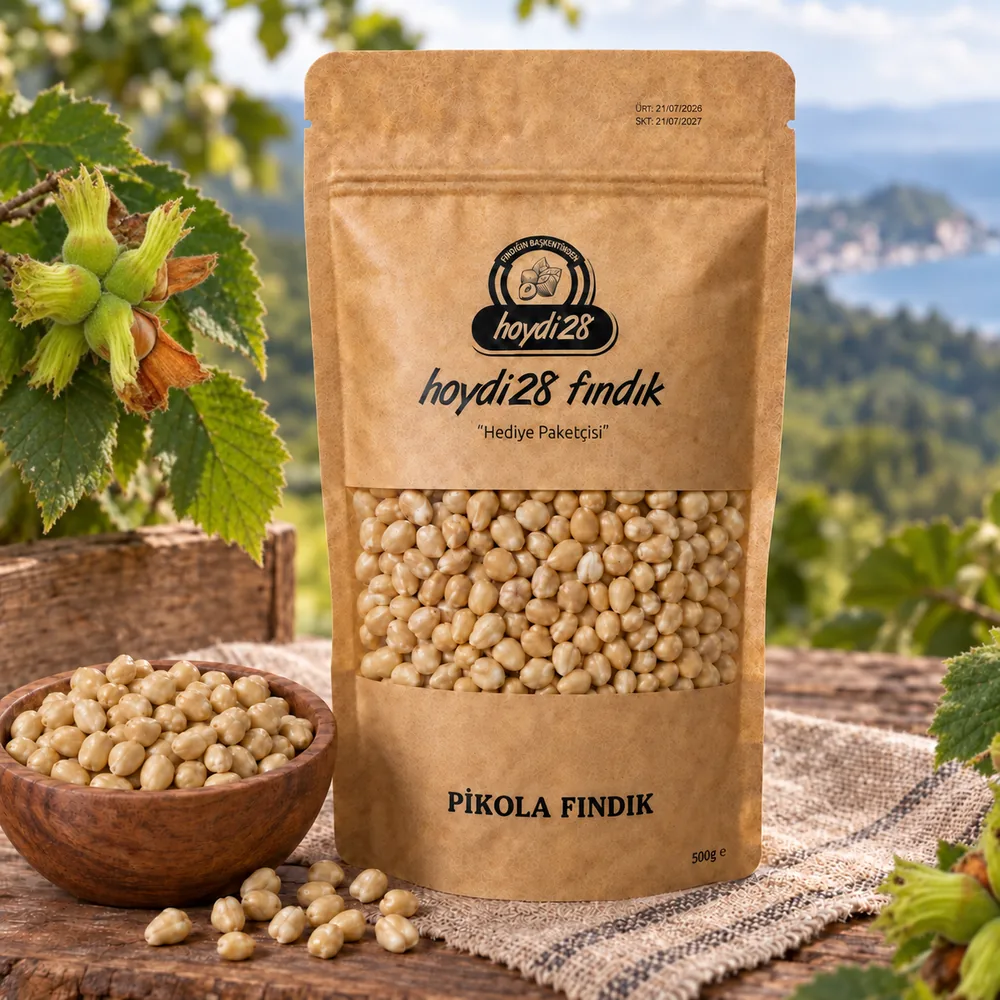
How soil, climate and altitude combine to give Giresun hazelnuts their distinctive aroma.
Read article →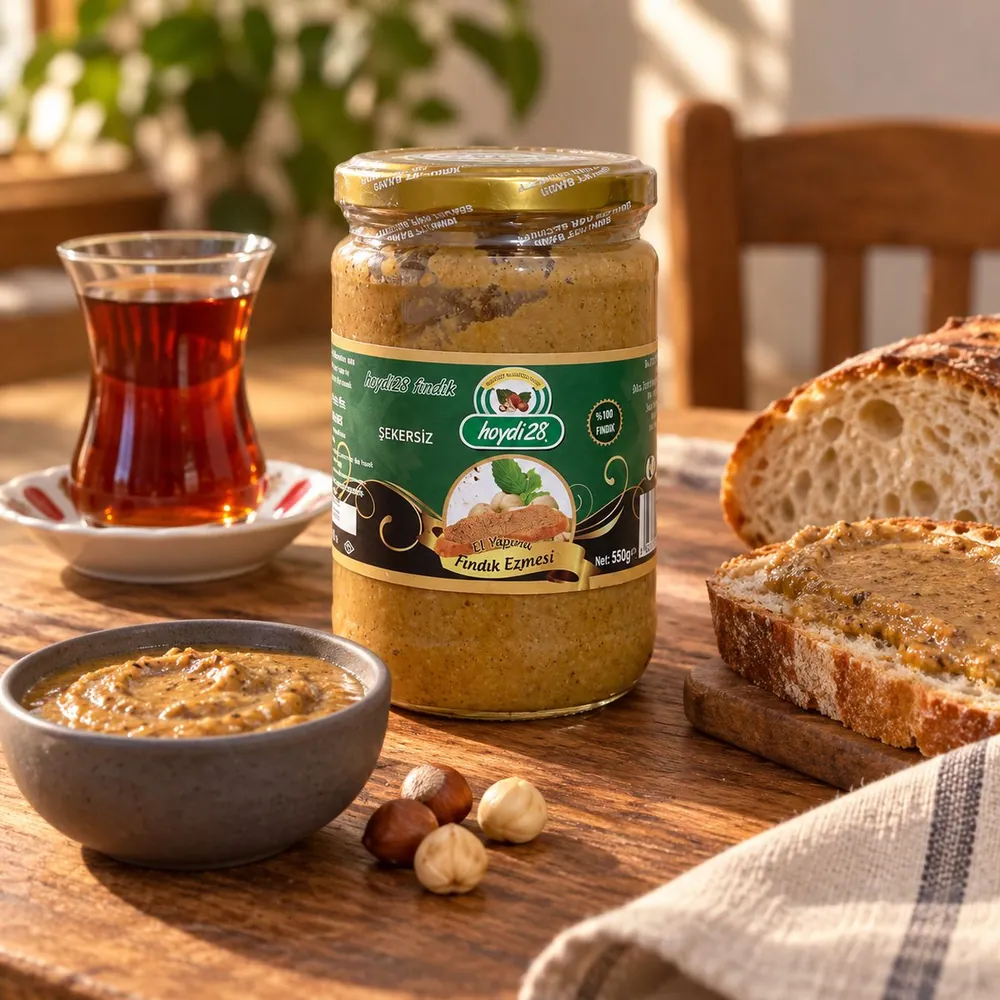
How to keep an opened jar fresh and smooth for months.
Read article →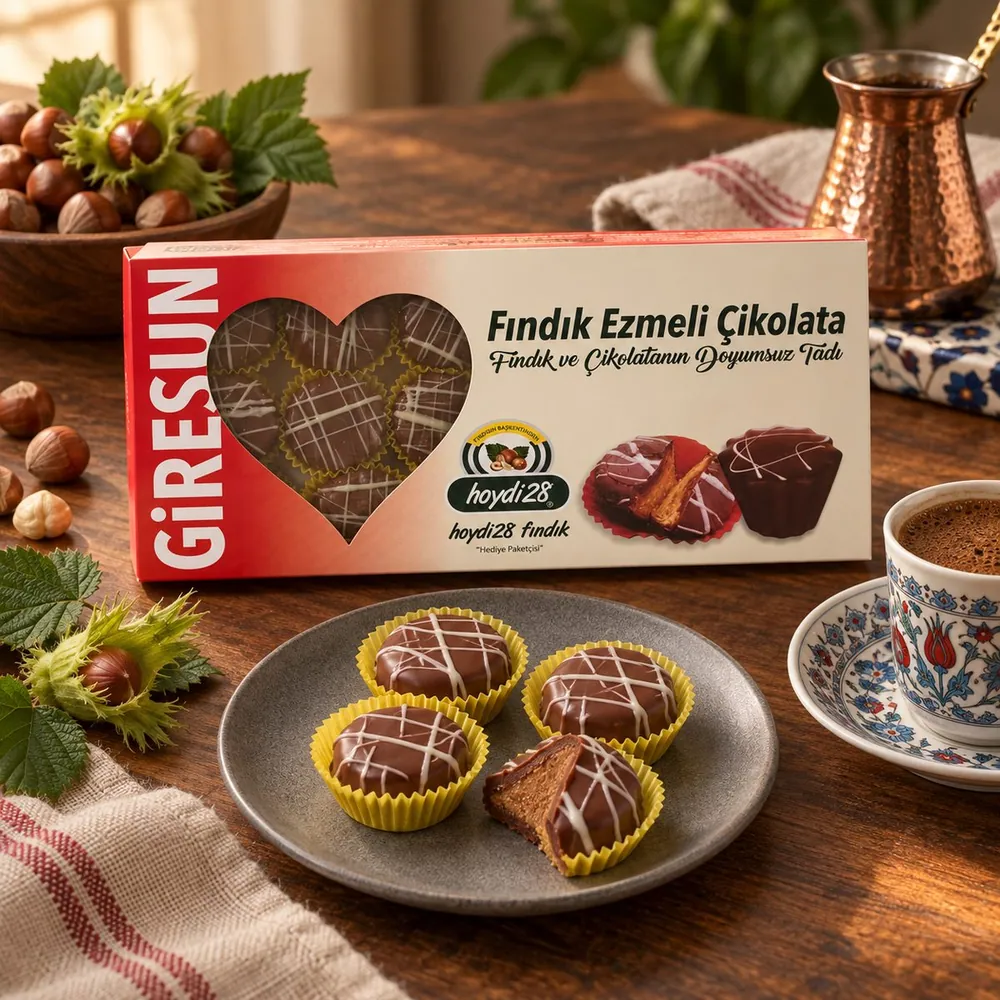
Why hazelnut boxes stand out for New Year and special-occasion gifting.
Read article →Karadeniz Fırtınası is made with hazelnuts alone. We use no fillers, flavourings, preservatives or emulsifiers, what the label says is exactly what’s in the jar.
 Chat on WhatsApp