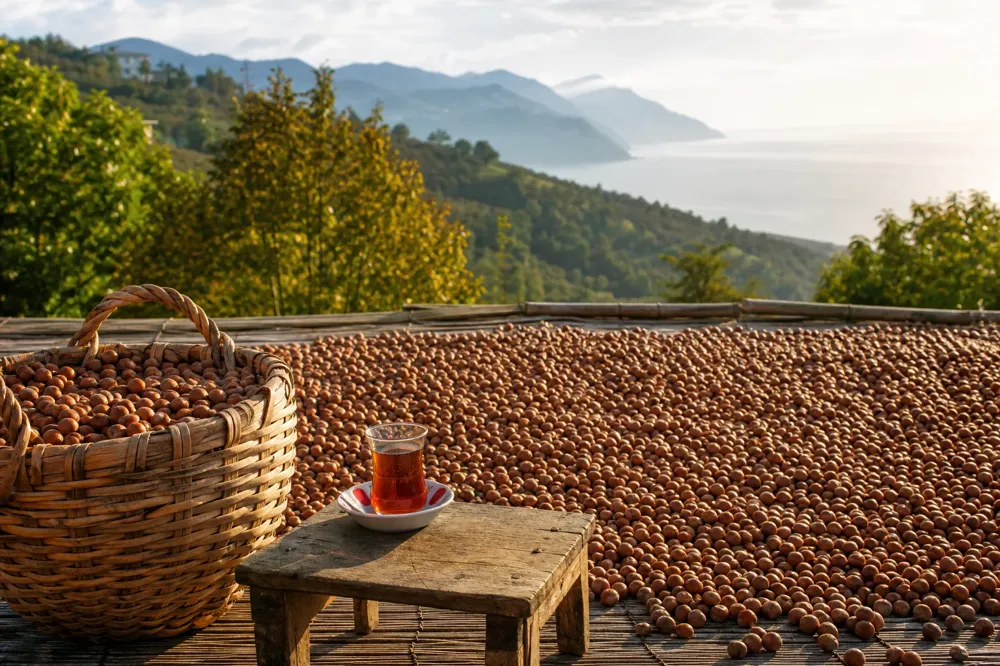
In Giresun, October brings a different kind of bustle. The hazelnuts picked from the branches at the end of summer have dried on the threshing grounds, passed through the thresher, and are starting to be shelled and make their way to our tables. That is why autumn is the time when new-crop hazelnuts are talked about most.
But not every hazelnut you come across on a stall, in a supermarket or online is necessarily from this year's harvest. So how can you recognise fresh hazelnuts? In this post, we wanted to share the signs to look out for when buying, seen through the eyes of people who come from the orchard.
In the Black Sea region, hazelnuts are usually harvested between late August and September. Once picked, they are first dried in the sun, then shelled and taken into storage. What we call the new crop is simply hazelnuts from that year's harvest.
Hazelnuts stored in the right conditions keep their quality for a long time, so last year's crop is not automatically bad. However, as time passes their aroma gradually fades, and if they have been stored badly their flavour can spoil. The difference with fresh hazelnuts is noticeable above all in their aroma and the sweetness they leave in the mouth.
Fresh hazelnuts have a light, clean and slightly sweet smell. If you rub a handful between your palms and sniff them, you should pick up a pleasant, nutty aroma.
If the smell has a note reminiscent of oil paint, stale oil or soap, this may indicate that the oil in the hazelnuts has started to oxidise. A damp or mouldy smell, on the other hand, is a sign that the hazelnuts have been kept somewhere humid. It is best to steer clear of hazelnuts like these.
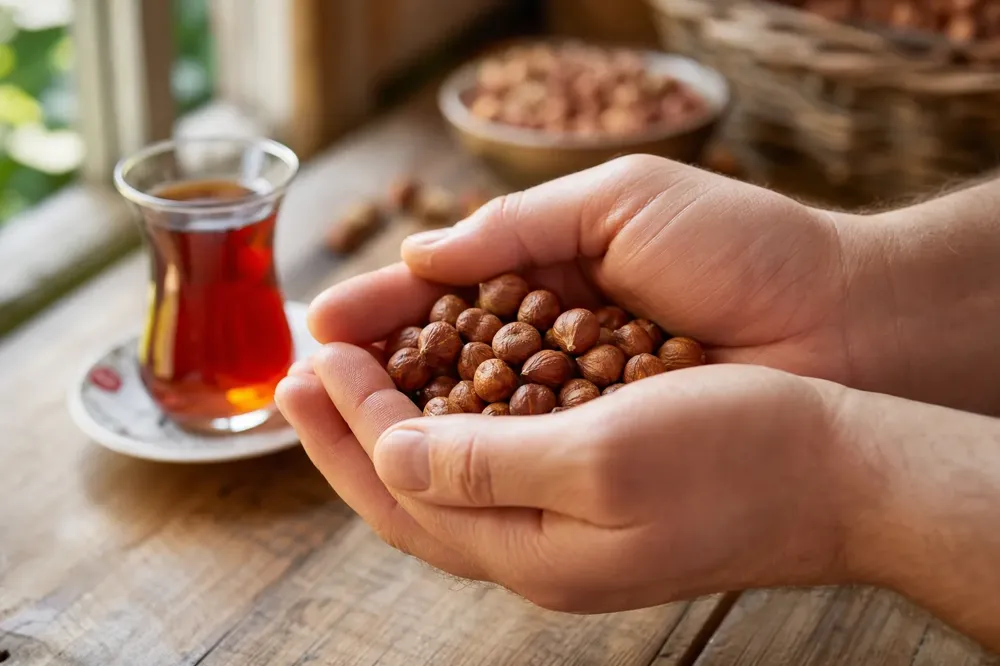
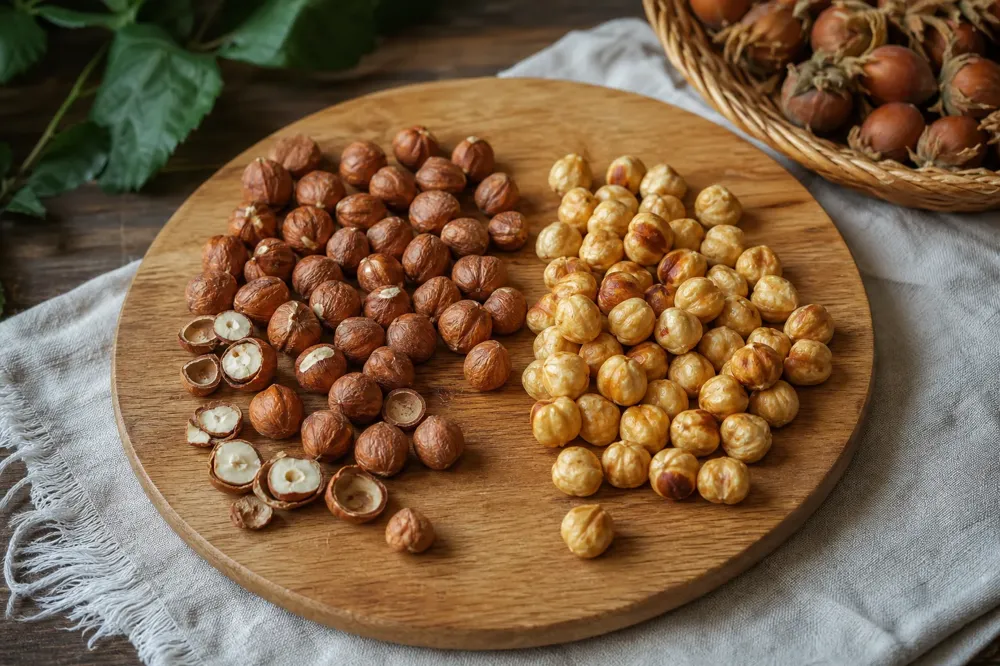
In raw shelled hazelnuts, the skin is a shade of brown and wraps neatly around the kernel. When you break one open, the inside should be close to white, a creamy colour. A yellowed, darkened or spotted interior is not a good sign.
With roasted hazelnuts, the colour ranges from light gold to honey. Very dark, burnt-looking kernels may have been over-roasted. If the kernels in a pack are similar in colour, that suggests the roasting was done evenly.
If you notice dust on the surface, a lot of broken pieces, or shrivelled, hollow kernels, think twice about that product.
Fresh, well-dried raw hazelnuts break with a clean snap between your teeth. A soft, rubbery or doughy texture shows that the hazelnuts have absorbed moisture.
With roasted hazelnuts the difference is even more obvious. Well-roasted hazelnuts are wonderfully crunchy. Roasted hazelnuts that have taken on moisture quickly lose that crunch, and their flavour goes flat too.
Fresh hazelnuts taste slightly sweet, mellow and full. They leave no bitterness or burning sensation in the mouth. The skin may have a very faint astringency; this is natural and part of the hazelnut's own character.
However, do not eat hazelnuts that taste distinctly bitter, sour or soapy. Even a single bad kernel can leave an unpleasant aftertaste that lingers. Tasting a few from a pack before deciding is always a good approach.
With in-shell hazelnuts, the shell should be a lively, glossy brown. There should be no traces of mould, black spots or holes on the shell.
Another tip is weight. In-shell hazelnuts should feel full for their size when you pick them up. Nuts that feel very light, or that rattle when shaken, may have a small or empty kernel inside.
With packaged hazelnuts, checking the production and best-before dates is the easiest way to judge freshness. A product packed in October or November is very likely to be from the new crop, but do not hesitate to ask the seller to be sure.
It also matters that the packaging is sturdy and airtight. Hazelnuts left for a long time in thin bags that let light through can lose their freshness more quickly.
What to do after buying fresh hazelnuts is simple: store them in a cool, dry, dark place in a container with a tight-fitting lid. Kitchen cupboards next to the hob or oven are not suitable for this.
If you plan to keep them for a long time, the fridge or freezer is a good option. Keep the hazelnuts in a sealed container so they do not absorb other smells. Rather than opening a large amount at once, taking out only what you need and keeping the rest sealed also helps preserve freshness.
For the Black Sea region, new-crop hazelnuts are not just a product; they are the reward for a whole year's work. Every kernel picked in the orchard, dried on the threshing ground and carefully sorted carries that effort.
This autumn, when you buy hazelnuts, take a few seconds to check their aroma, colour and crunch. Once you notice the difference, you too will understand why fresh hazelnuts are so eagerly awaited. If you have a nut allergy or any particular dietary condition, remember to consult a specialist before eating them.
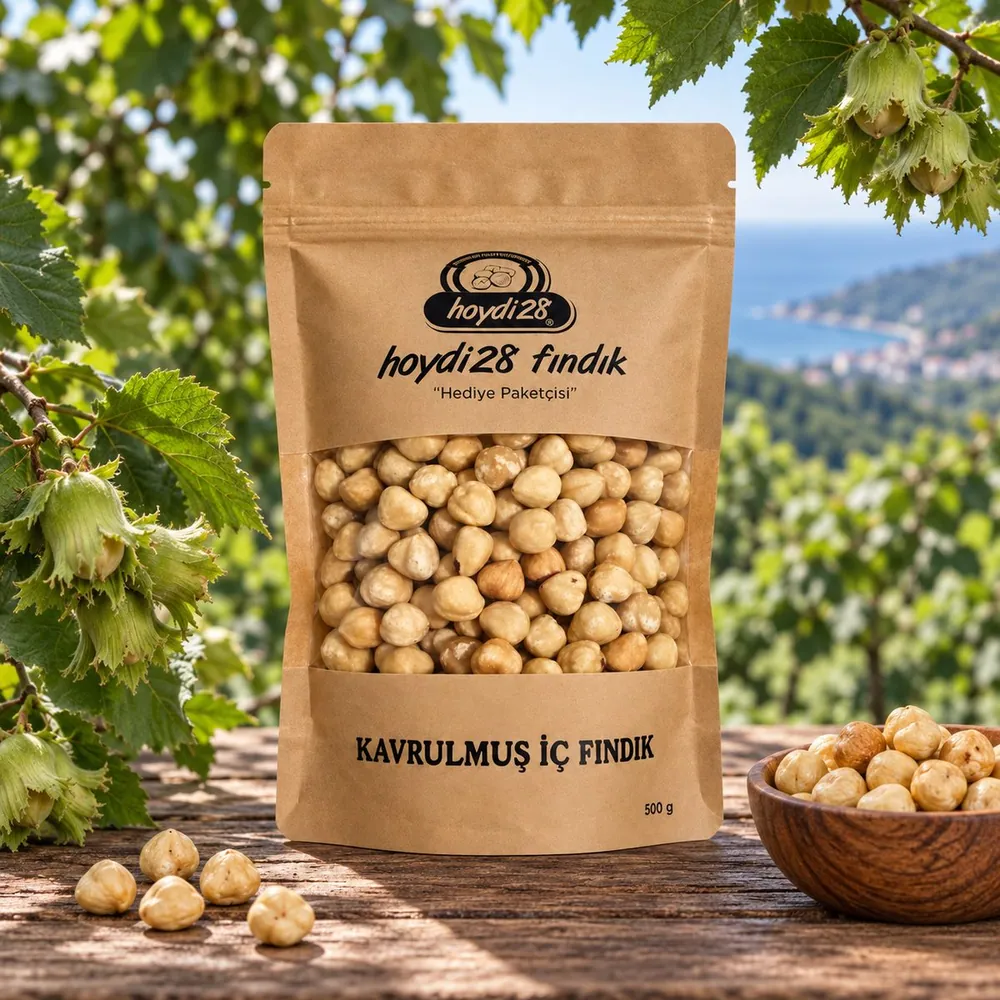
Before hazelnuts picked from the branch reach the table, they meet the sun on the drying ground. We explain why drying matters so much and share the Black Sea tradition of the harman.
Read article →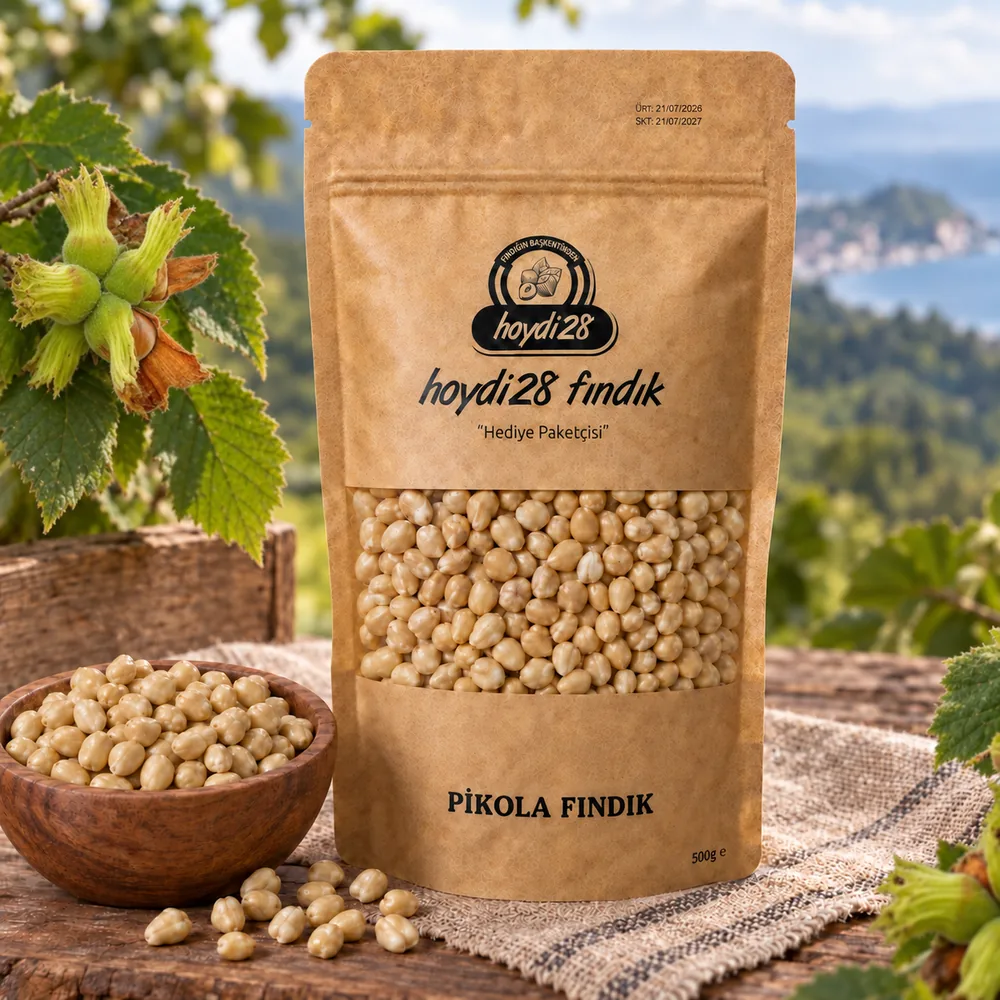
How soil, climate and altitude combine to give Giresun hazelnuts their distinctive aroma.
Read article →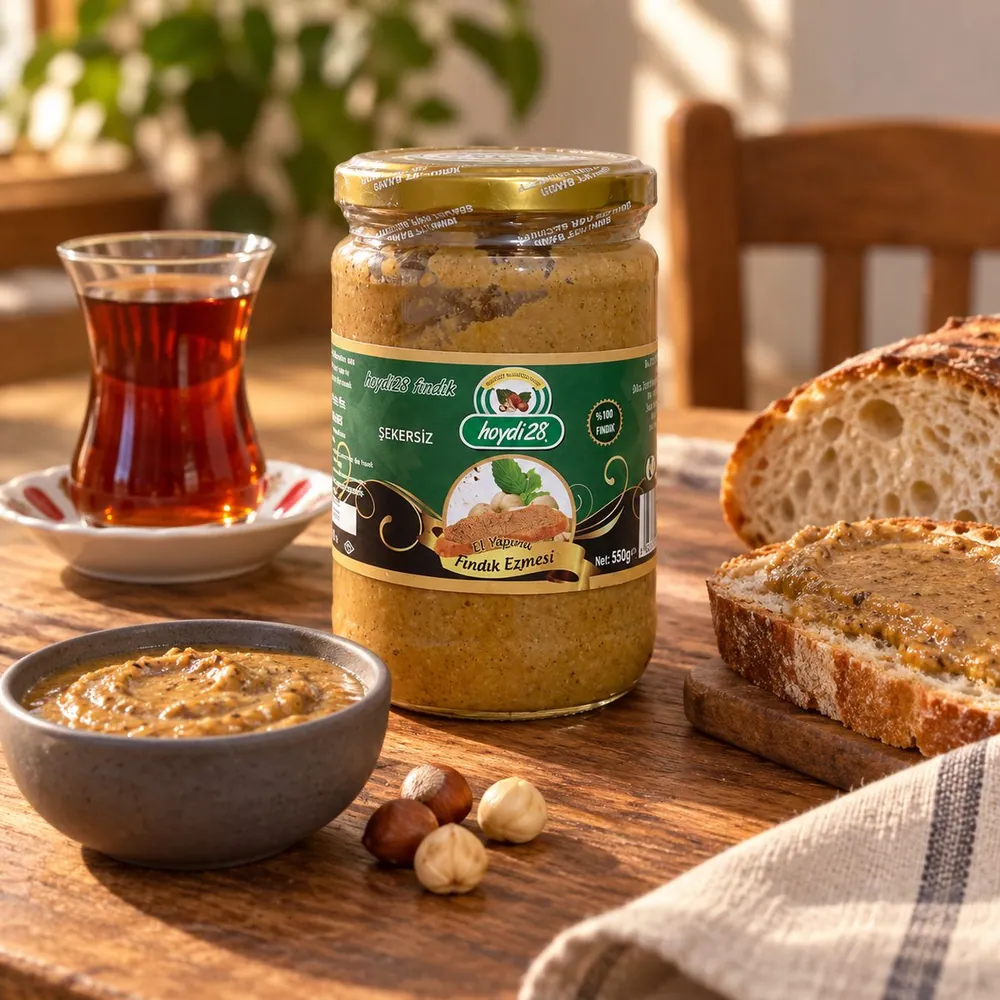
How to keep an opened jar fresh and smooth for months.
Read article →Karadeniz Fırtınası is made with hazelnuts alone. We use no fillers, flavourings, preservatives or emulsifiers, what the label says is exactly what’s in the jar.
 Chat on WhatsApp