
The answer to how to make hazelnut milk fits into four words: soak, blend, strain, heat. With a blender, a fine straining cloth and a handful of fresh hazelnuts, you can make your own plant milk at home with about half an hour of hands-on work. In this post we go through the steps one by one, explain the difference between raw and roasted hazelnuts, and share ways to use the pulp left over after straining.
Hazelnuts may be loved as a snack today, but most of their journey happens in industry. According to a report in Hürriyet, around 90 per cent of hazelnuts are used industrially; roasted, blanched, chopped, or turned into flour or paste, they end up in chocolate, biscuits, cakes and ice cream. Hazelnut milk is a relatively new addition to that list.
The same report describes how a lecturer at Atatürk University produced milk from hazelnuts and filed a patent application. The method in the application is strikingly simple: shelled hazelnuts are first soaked, then ground, strained and heated. The recipe we will follow at home is built on these same four steps.
The patent application states that raw or roasted, whole or broken hazelnuts can all be used. Your choice shapes the character of the milk.
Milk made from raw hazelnuts is paler, with a light, slightly sweet taste. It is a good place to start if you plan to add it to coffee or milk puddings. Milk made from roasted hazelnuts is darker with a more pronounced flavour; drink it warm and the aroma of hazelnuts fills the kitchen. Hazelnuts with their skins on give a slightly darker milk with a faint bitterness, while skinned hazelnuts give a cleaner colour. We suggest trying both in small batches to see which suits you.
Step one is soaking. Put a glass of shelled hazelnuts into a large bowl, add enough drinking water to cover them and leave overnight. Soaked hazelnuts soften, break down more easily in the blender and give a smoother milk. In the morning, pour away the soaking water and rinse the hazelnuts.
Step two is blending. Tip the hazelnuts into the blender and add roughly three to four glasses of cold water. Use less water for a richer milk, or more for a lighter one. Blend for a minute or two until the mixture turns completely white and frothy.
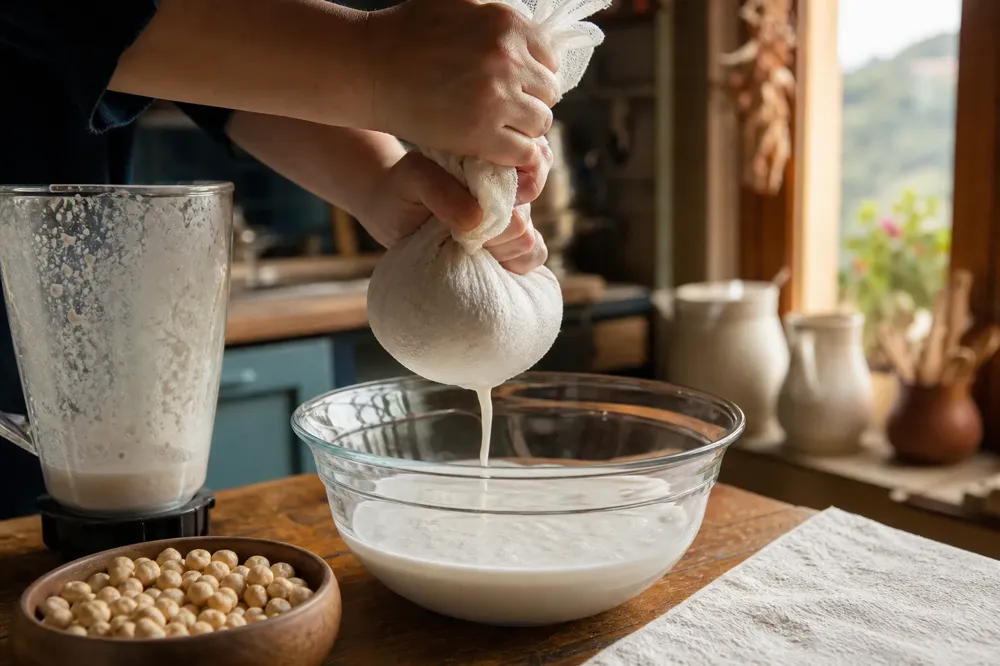
Step three is straining. Lay a muslin or fine straining cloth over a large bowl, pour in the mixture, then gather up the cloth and squeeze gently. You will be left with a silky liquid in the bowl and moist pulp in the cloth. Squeezing slowly both increases the yield and keeps the milk free of sediment.
Step four is heating. Pour the milk into a pan and, over a low heat and stirring constantly, bring it close to the boil, then take it off the hob. Heating rounds out the flavour and makes the milk ready to drink warm. At this stage you can add a pinch of salt, a little honey or some cinnamon if you like.
On autumn evenings, a cup of warm hazelnut milk with a sprinkle of cinnamon is a treat on its own. Added to your morning coffee, it brings a subtle hazelnut aroma.
There are also academic examples of it replacing cow's milk in desserts. The bibliography of a study on the uses of hazelnuts in Türkiye, published in the Recep Tayyip Erdoğan University Journal of Social Sciences, includes a master's thesis on making muhallebi, a milk pudding, from hazelnut milk. So for the muhallebi you make for the Republic Day table, it is worth replacing some or all of the milk with hazelnut milk. Muhallebi made with roasted hazelnut milk and topped with crushed hazelnuts looks right at home on a festive table.
There is an interesting observation for anyone who wants to try yoghurt, too. In a study published in PMC, hazelnut milk was added to yoghurt at different ratios, and the higher the ratio, the firmer and thicker the yoghurt became. If you make yoghurt at home, you can replace a small part of the milk with hazelnut milk and see the difference in texture for yourself.
Researchers' interest does not stop there. In a thesis at Istanbul Sabahattin Zaim University, hazelnut milk was turned into a powder and two drying methods were compared. Studies like this suggest that hazelnut milk may turn up in our kitchens in quite different forms in future.
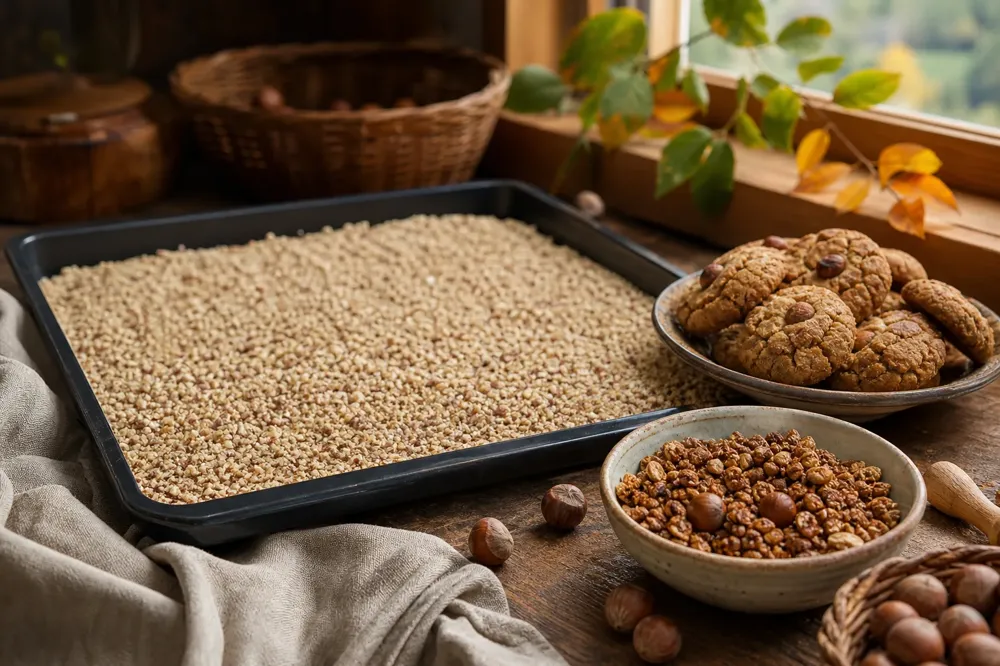
The pulp left in the cloth after straining is actually the fibrous, tasty part of the hazelnut. Rather than binning it, you can add it to cake, biscuit or homemade granola mixtures. Using it straight away while still moist is easiest.
If you want to keep it longer, spread the pulp in a thin layer on a tray and dry it in a low oven. Once dry, you can blitz it in the blender into a flour. For more detail, take a look at the hazelnut flour post on our website.
Homemade hazelnut milk contains no preservatives. So pour it into a glass bottle with a tight-fitting lid, keep it in the fridge and drink it soon. Making small amounts and enjoying it fresh is best. It is normal for it to settle at the bottom of the bottle as it stands; just give it a shake before use. If you notice anything odd about its smell or taste, do not drink it.
Anyone with a hazelnut allergy should avoid hazelnut milk too. Hazelnut milk differs from cow's milk in its nutritional content, so whether it can replace a meal varies from person to person. If you are thinking of using it regularly for children or because of a special diet, consult a professional about your own circumstances.
These days, as the new crop of hazelnuts reaches the shops, are a lovely time to try your first hazelnut milk. Just remember to soak the hazelnuts the night before, and the rest will follow.
Hürriyet, report on hazelnut milk production and a patent application at Atatürk University
DergiPark, Recep Tayyip Erdoğan University Journal of Social Sciences, research on the uses of hazelnuts in Türkiye
Istanbul Sabahattin Zaim University Open Access, thesis on the production and characterisation of hazelnut milk powder
PMC (NCBI), study on the effect of hazelnut milk on the quality of probiotic yoghurt
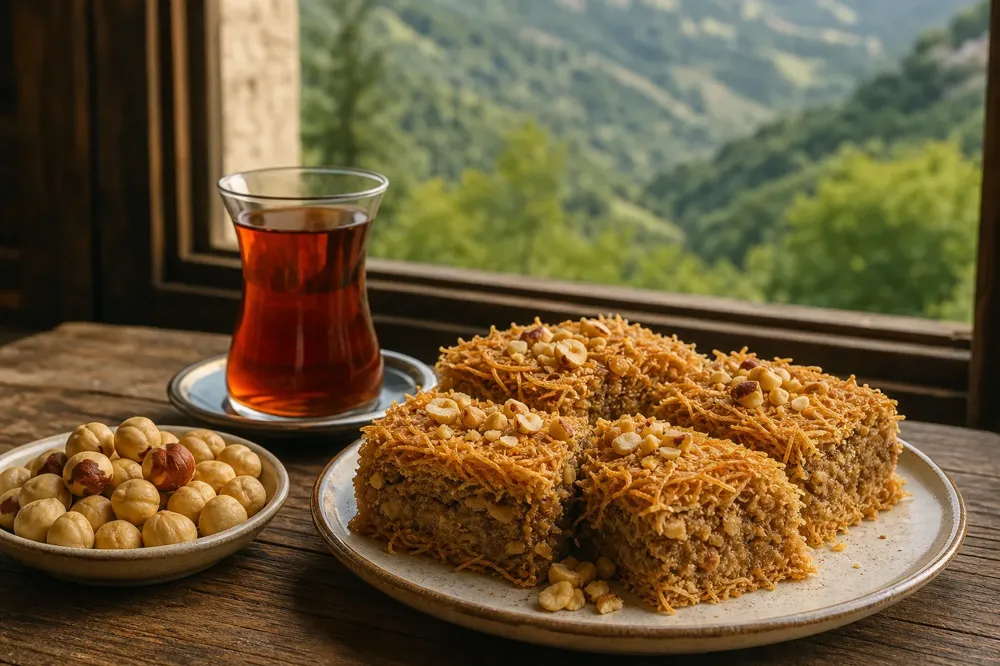
We explain Giresun's dessert, sweetened with cold milk instead of syrup and kneaded with hazelnut flour, which has been put forward for geographical indication, along with how it is made and how it differs from classic kadayıf.
Читать статью →
Сажать фундук осенью или весной? Календарь посадки от побережья до высокогорья, подготовка ям, известкование и выбор сортов-опылителей в этом руководстве.
Читать статью →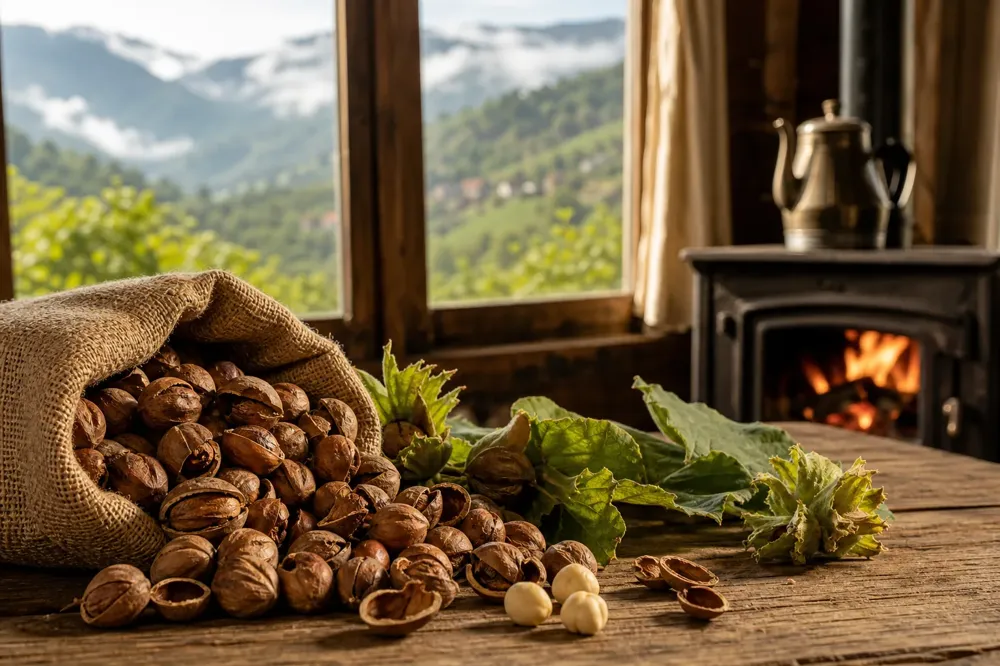
Скорлупа, оставшаяся после колки фундука, не мусор. Рассказываем о её пути от печки до университетских лабораторий и о том, чем она отличается от обёртки ореха.
Читать статью →Karadeniz Fırtınası готовится только из фундука. Мы не используем наполнители, ароматизаторы, консерванты и эмульгаторы: состав на этикетке точно совпадает с содержимым коробки.
 Напишите нам в WhatsApp