
The harvest is over, the threshing is done, and on the slopes of Giresun the hazelnut leaves are turning yellow and starting to fall. At this time of year, everyone with an orchard asks the same question: when should hazelnuts be pruned? Should you start now, or wait a little longer? In this post we explain when to carry out autumn-winter pruning, which branches to cut and what to watch out for as you finish the job, based on the recommendations of expert institutions.
The Hazelnut Research Institute describes pruning as one of the most important cultural practices, beginning at planting and continuing until the end of the tree's economic life. In other words, pruning is not a one-off task but part of looking after each hazelnut clump that needs attention every year.
The benefits the Institute lists are wide-ranging. Pruning helps form a well-shaped, strong crown, extends the tree's productive years and improves both nut quality and yield. Thinned branches receive more light and air, which has a positive effect on pollination. Clearing away root suckers stops them competing for the water and nutrients that should go to the clump.
According to the Institute's growing technique guidance, hazelnuts are generally pruned in the autumn months. The Hazelnut Farming Calendar information published by Maçka Haber divides pruning into two periods: autumn-winter pruning between October and November, and spring-summer pruning, which begins in March and lasts about three months.
However, rather than sticking rigidly to the calendar month by month, it is better to look at the tree itself. In Giresun, an orchard on the coast and one in the higher villages will not be at the same stage in the same week. That is why the real guide is the signs the tree gives you.
According to training the Institute gave to growers in Gürköy, central Giresun, autumn-winter pruning should begin when the plant enters dormancy and most of its leaves have fallen. Serap Vildan Ersoy, a senior agricultural engineer at the Karasu Chamber of Agriculture, makes the same point: pruning on the branches begins once most of the leaves have dropped.
Picking up the secateurs straight after the harvest is not recommended. Mehmet Ali Aydın, President of the Ulubey Chamber of Agriculture, says that branches cut too early can increase the risk of disease, so it is better to wait until late autumn. So if the leaves in your orchard are still green, there is no need to rush.
Finishing on time matters as much as starting. The Institute recommends completing pruning before the winter cold sets in. Ersoy stresses that the work should be finished before the sap rises, that is, before the tree starts to come back to life. In short, side branches, twigs and shoots should be cut during the dormant period while the tree is bare.
Pruning varies with the age of the tree. According to Ersoy, formative pruning is carried out from the second year after planting until the fifth or sixth year, with the aim of giving the young plant side branches, twigs and shoots. In clumps that have reached bearing age, branch or production pruning is done. The Maçka Haber guidance also adds rejuvenation pruning for ageing clumps.
In a productive clump, the first job is usually a clean-up. Dead, broken, diseased and no longer productive branches are removed at the base. Branches that crowd the centre of the clump or rub against each other are thinned to let light in. Root suckers growing from the base of the clump are also cleared at this time, so the tree's strength goes to the fruiting branches.
Matters such as how many stems to leave in a clump or how far apart clumps should be depend on the age of the orchard, the variety and the slope of the land. For these details, the soundest approach is to consult your provincial or district agriculture directorate or the Hazelnut Research Institute.
According to the calendar guidance from Maçka Haber, branches should be cut without leaving stubs or splits. A short stub left behind or a split cut makes it harder for the tree to heal the wound. That is why it is important to use sharp secateurs or a saw and to cut each branch cleanly, in one go wherever possible.
It is also recommended to remove the prunings from the orchard once the work is done. Piles of branches left on the ground not only make it harder to move around the orchard but can also leave diseased material in the environment.
According to the Institute's page on hazelnut diseases, bacterial blight can be spread from one tree to another by pruning tools. For this reason, diseased shoots and branches should be cut out, and tools should be dipped in a disinfectant solution when moving from one tree to the next. The Institute recommends Lysol or a 10 per cent bleach solution for this. Carrying a small bucket with you around the orchard makes this habit easier.
To sum up: after the harvest, wait for the tree to go dormant; start once most of the leaves have fallen; begin with dead and diseased branches; make clean cuts; clean your tools at every tree; and remove the prunings from the orchard. Finish the job before the sap rises and before the hard frosts arrive.
In Giresun, autumn is the season when the sound of secateurs fills the orchards. The care taken now shows on the branches next summer. Be sure to talk to local agricultural experts to find the best timing for your own area's climate.
Ministry of Agriculture and Forestry Hazelnut Research Institute, Hazelnut Growing Technique (pruning time)
Hazelnut Research Institute, news item on autumn-winter pruning training given to growers in Gürköy, Giresun
Hazelnut Research Institute, Hazelnut Diseases (disinfection of pruning tools)
Sakarya Kuzey, statement by a Karasu Chamber of Agriculture engineer on hazelnut pruning time
Maçka Haber, pruning and clean-up timing under the Hazelnut Farming Calendar
Hayat Gazetesi Ordu, Ulubey Chamber of Agriculture's advice on correct pruning

لتحضير حليب البندق في المنزل يكفي النقع والطحن والتصفية والتسخين. شرحنا الفرق بين البندق النيء والمحمص، وطرق الحفظ، وكيفية الاستفادة من التفل.
اقرأ المقال →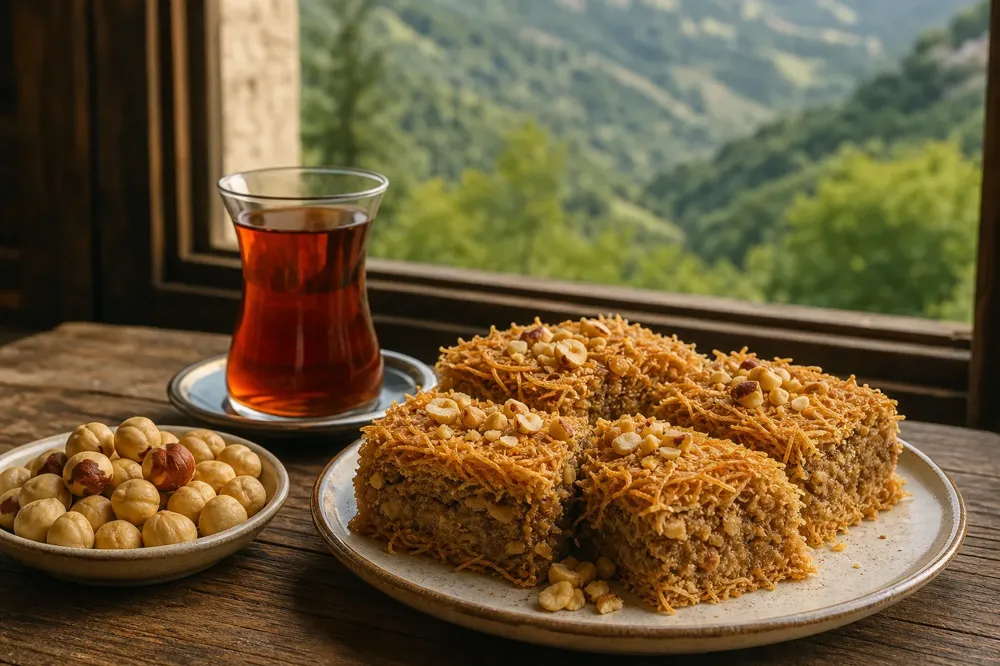
شرحنا حلوى Giresun التي قُدّم طلب تسجيلها، والتي تُحلّى بالحليب البارد بدلًا من الشراب وتُعجن بدقيق البندق، مع طريقة تحضيرها وفرقها عن الكنافة التقليدية.
اقرأ المقال →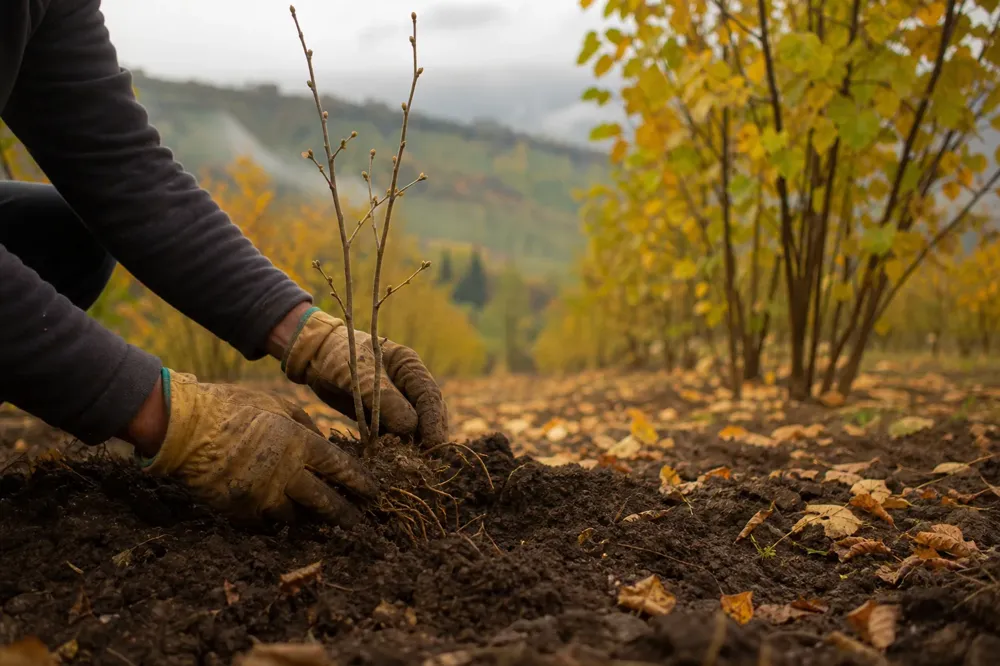
هل تُزرع شتلات البندق في الخريف أم في الربيع؟ في هذا الدليل: تقويم الزراعة من الساحل إلى المرتفعات، وتجهيز الحفر، والتجيير، واختيار الصنف الملقِّح.
اقرأ المقال →يُحضَّر Karadeniz Fırtınası من البندق فقط. لا نستخدم مواد مالئة أو منكهات أو مواد حافظة أو مستحلبات، والمكونات المكتوبة على الملصق مطابقة تمامًا لما في العلبة.
 راسلنا عبر WhatsApp