Hazelnuts are high in vitamin E, about 15 mg per 100 g. From that fact comes the very common claim that they are "good for your skin and hair". Let's look honestly at the evidence.
Vitamin E is a fat-soluble antioxidant. Skin cell membranes are made of fat, and UV radiation causes oxidative damage to those membranes.
In theory vitamin E could reduce that damage. The cosmetics industry has indeed used it in formulations for decades.
But there is a large gap between "plausible in theory" and "demonstrated in humans".
The best-designed nut study on skin was conducted with almonds.
In a prospective randomised controlled trial with postmenopausal women of Fitzpatrick skin types I and II, daily almond consumption was reported to improve **facial wrinkles and pigment intensity**.
In the same study, however, no significant differences were found in skin hydration or transepidermal water loss (TEWL).
Note: this study was on **almonds**. The fatty acid and polyphenol profile of hazelnuts differs. Transferring the result directly to hazelnuts would not be scientifically sound.
Almost none. Randomised controlled human trials on the effect of hazelnuts on skin or hair are very hard to find.
There is research on hazelnut skin, but it concerns **topical use** and cosmetic formulation. Roasted hazelnut skin extract was found to enhance the absorbance of synthetic UV filters and to show antimicrobial activity.
That is an interesting finding, but it says something quite different from "eating hazelnuts improves your complexion": the extract is being assessed as a cosmetic raw material.
The most-cited study on vitamin E and hair involved **38 volunteers**. A component of vitamin E was reported to improve hair growth compared with placebo.
Thirty-eight people is a very small sample. A 2016 review in the Indian Dermatology Online Journal noted that the nutrient may reduce oxidative stress and support follicle health, while stressing that **the exact effects on skin and hair remain hard to pin down without larger studies**.
A comprehensive systematic review of antioxidant supplementation in dermatology reached a similar conclusion: the findings are promising but the evidence remains limited and conflicting, with no consensus on optimal doses or formulations.
There is an important distinction here. In someone who is deficient in vitamin E, correcting that deficiency may make a meaningful difference.
But in someone already getting enough, additional intake has not been shown to provide clear skin or hair benefits. This is a general rule that applies to many vitamins.
Widespread vitamin E deficiency is not reported in Türkiye. In a person eating a balanced diet, this vitamin is usually adequate.
That is not what I am saying. As part of a balanced diet, hazelnuts contribute vitamin E, healthy fat and minerals.
Diet does play a role in skin health, but that role depends on overall dietary quality, not a single food. Adequate protein, zinc, vitamin C, healthy fats and fluid intake all matter together.
The claim that hazelnuts are a special "miracle" for skin is not supported by current evidence.
These phrases are warning signs: "rejuvenates your skin", "stops hair loss", "erases wrinkles".
Real studies do not speak so definitively. Scientific papers use phrases such as "improvement was observed", "was associated with" and "further research is needed".
Also check the source: does the claim rest on a study, how many people took part, and which nut was used?
Hazelnuts are nutritious and genuinely high in vitamin E. But clinical evidence specific to hazelnuts for skin and hair is almost non-existent; a single almond trial is promising but limited.
If you have a skin or hair problem, see a dermatologist. Diet can support treatment; it is not a treatment.
"Prospective Randomized Controlled Trial on the Effects of Almonds on Facial Wrinkles and Pigmentation", 2021.
Keen M.A., Hassan I., "Vitamin E in dermatology", Indian Dermatology Online Journal, 2016.
"Evidence-Based Utility of Adjunct Antioxidant Supplementation for the Prevention and Treatment of Dermatologic Diseases: A Comprehensive Systematic Review", 2023.
"Valorization of Hazelnut Skin By-Product as a Multifunctional Ingredient for Cosmetic Emulsions", 2025.
Nwanodi O., "Skin Protective Nutraceuticals: The Current Evidence in Brief", Healthcare, 2018.
How soil, climate and altitude combine to give Giresun hazelnuts their distinctive aroma.
Read article →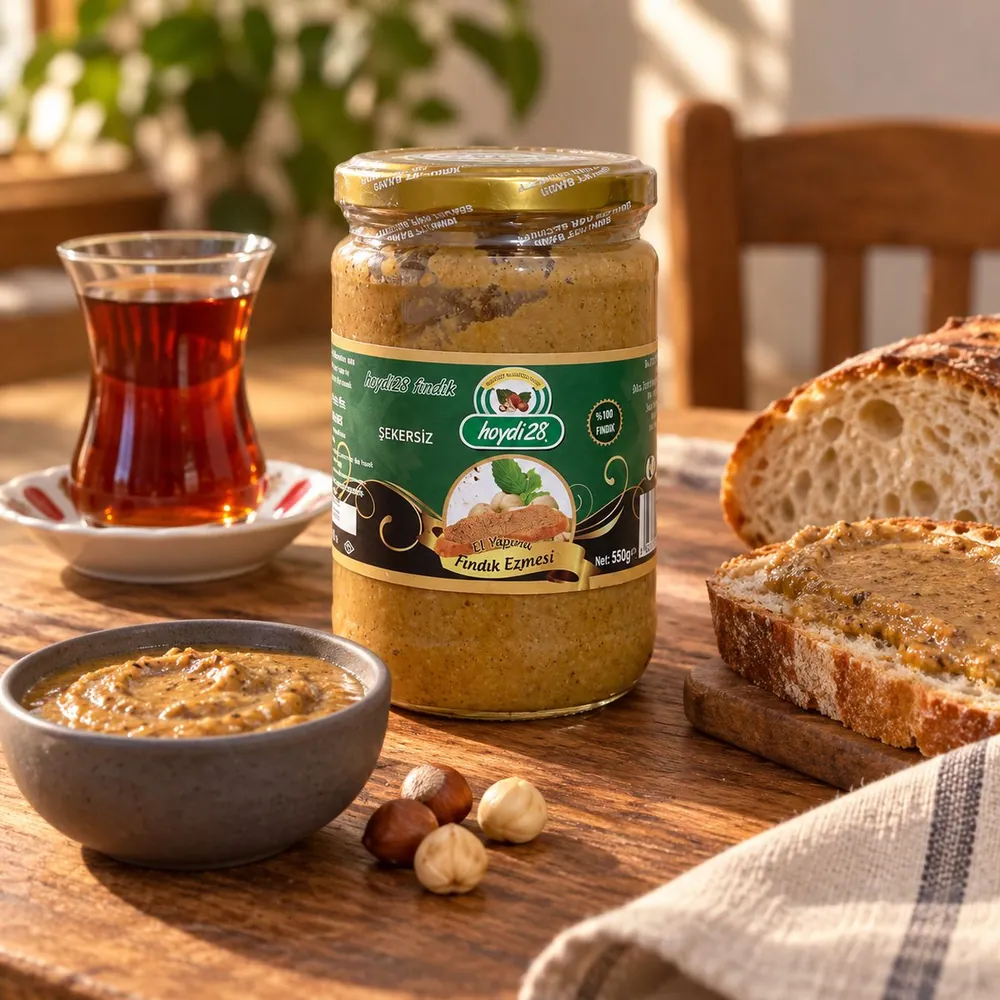
How to keep an opened jar fresh and smooth for months.
Read article →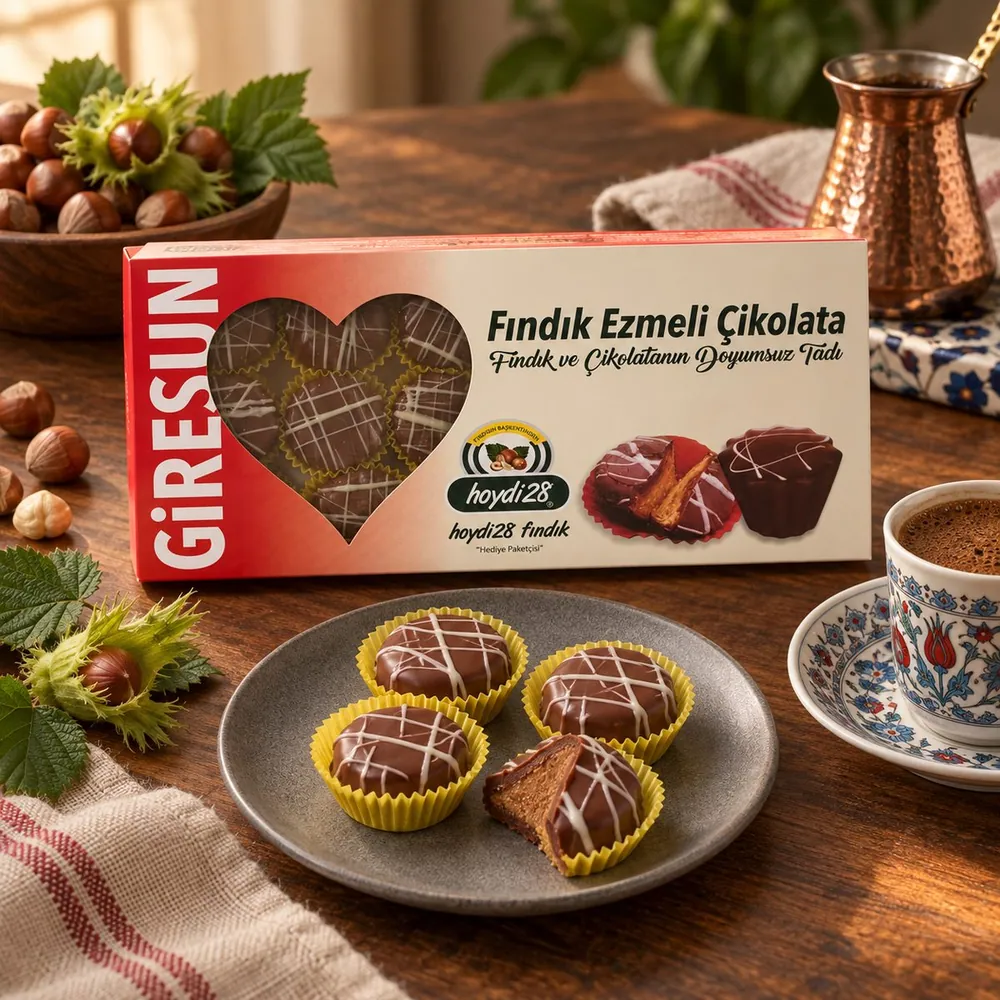
Why hazelnut boxes stand out for New Year and special-occasion gifting.
Read article →Karadeniz Fırtınası is made with hazelnuts alone. We use no fillers, flavourings, preservatives or emulsifiers, what the label says is exactly what’s in the jar.
 Chat on WhatsApp