 Giresun fındığının en güzel hâliUnsuz · Glutensiz · Katkısız
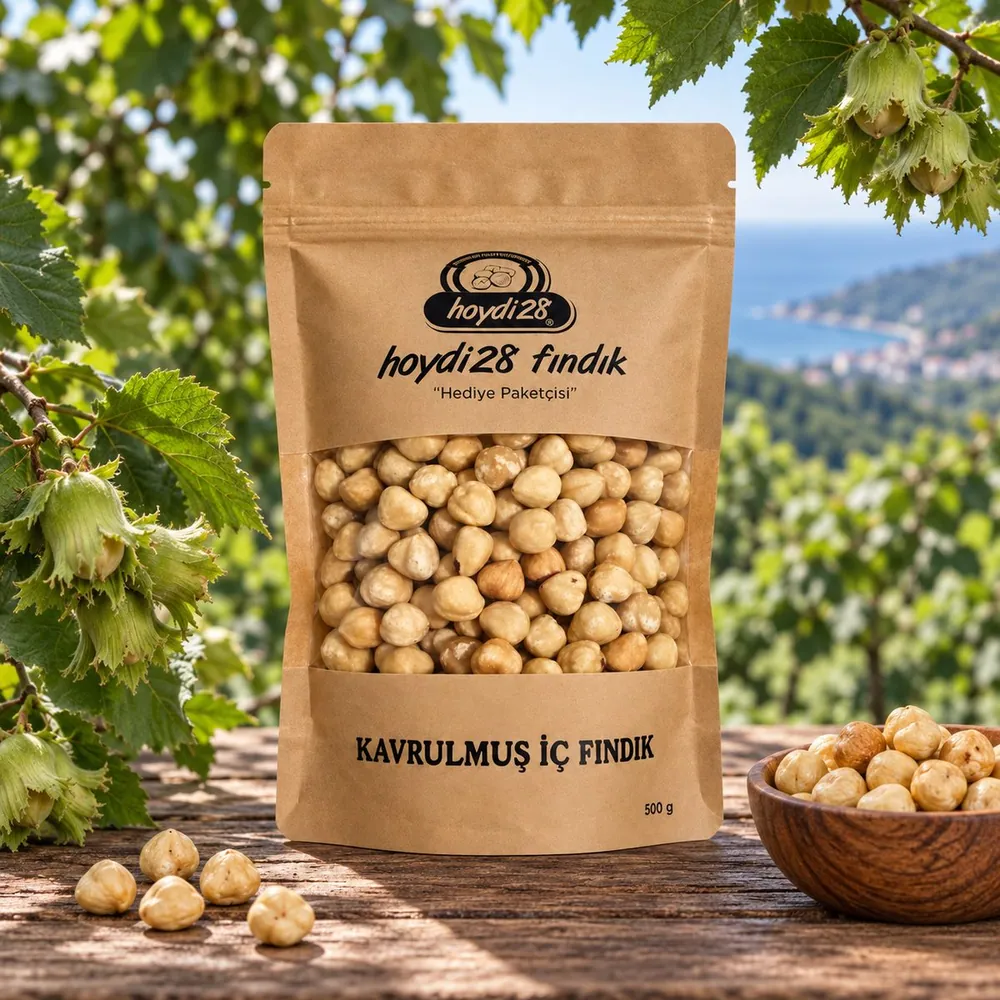
The names you meet on the hazelnut shelf are not marketing choices; each means a different process and a different use.
Unroasted kernels in their natural state. The aroma is gentler and the texture moister. Those who prefer minimally processed food tend to choose natural. It is a good starting point for recipes and homemade butter.
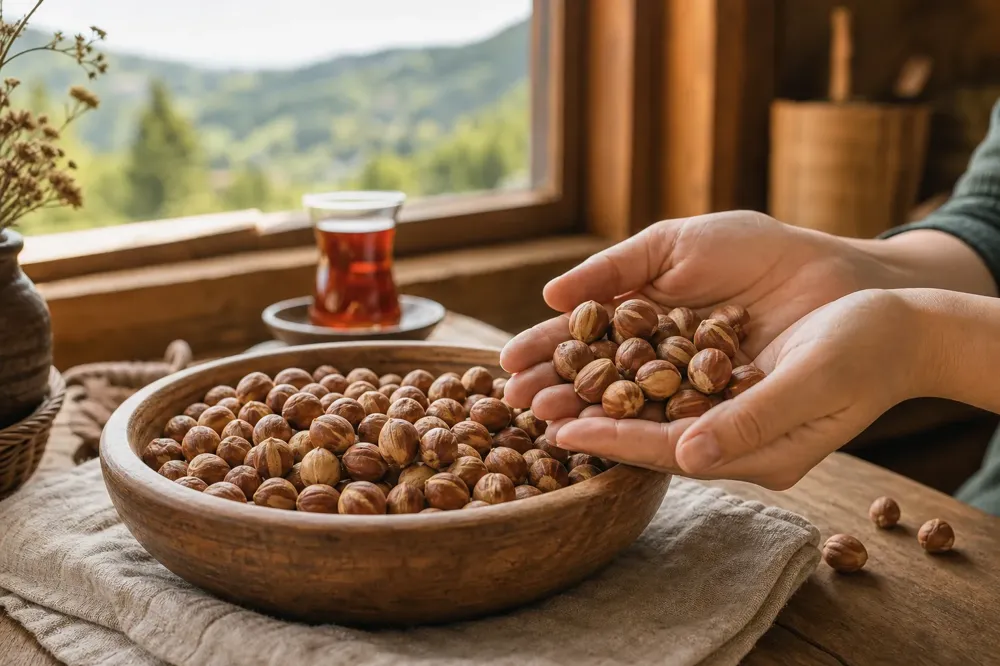
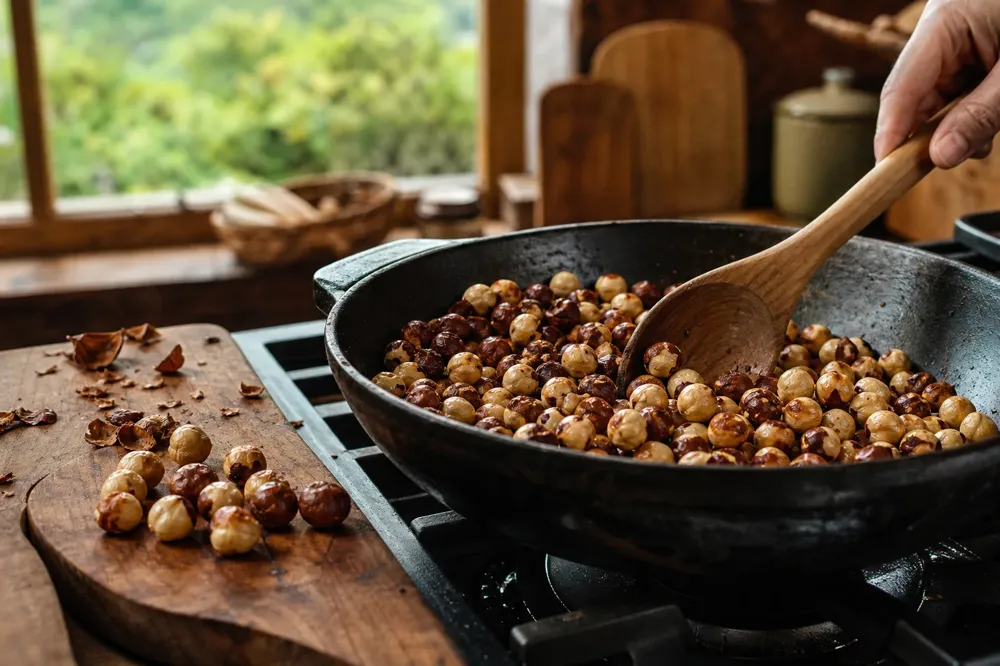
Roasting at a controlled temperature increases oil release, brings out the characteristic aroma and crisps the texture. This is the most common snacking form.
A two-stage roast concentrates the aroma and makes the texture more brittle. Preferred by those seeking an intense hazelnut taste. Because the risk of bitterness rises with roasting, this process requires a fine balance.
Piccola refers to large, hand-selected kernels. Its appearance and size make it a favourite for gift boxes and catering.
Natural for butter and recipes; roasted for straight snacking; double-roasted for intense aroma; piccola for gifting and presentation.
Smell them. Fresh hazelnuts have a faintly sweet scent. A painty, soapy or bitter smell means the oil has oxidised and the product should not be eaten.
24 Kasım'da öğretmene hediye vermek yasak değil ama sembolik olmalı. MEB kuralını sade bir dille anlattık, küçük kavanoz fındık ve ev yapımı fikirler paylaştık.
Read article →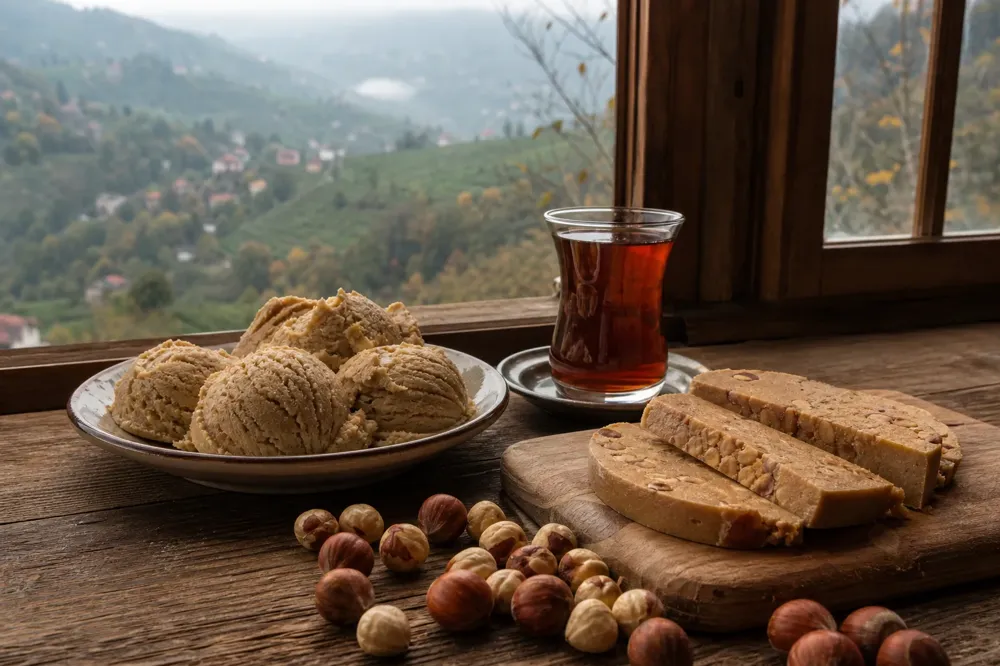
The hazelnut halva of a district where hazelnuts don't grow, Ordu's Kabataş halva and homemade hazelnut flour halva: plus when you should add the hazelnuts.
Read article →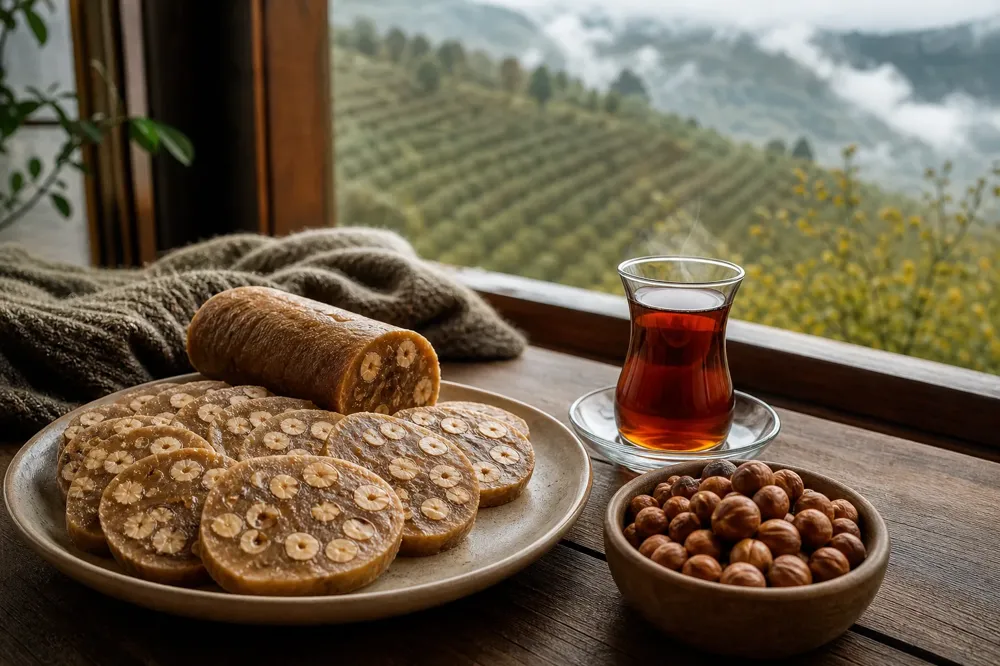
We explain what the hazelnut köme you spot at the market or receive as a gift actually is, how it differs from pestil, how it is made at home and how to store it all winter.
Read article →Karadeniz Fırtınası is made with hazelnuts alone. We use no fillers, flavourings, preservatives or emulsifiers, what the label says is exactly what’s in the jar.
 Chat on WhatsApp