 Giresun fındığının en güzel hâliUnsuz · Glutensiz · Katkısız
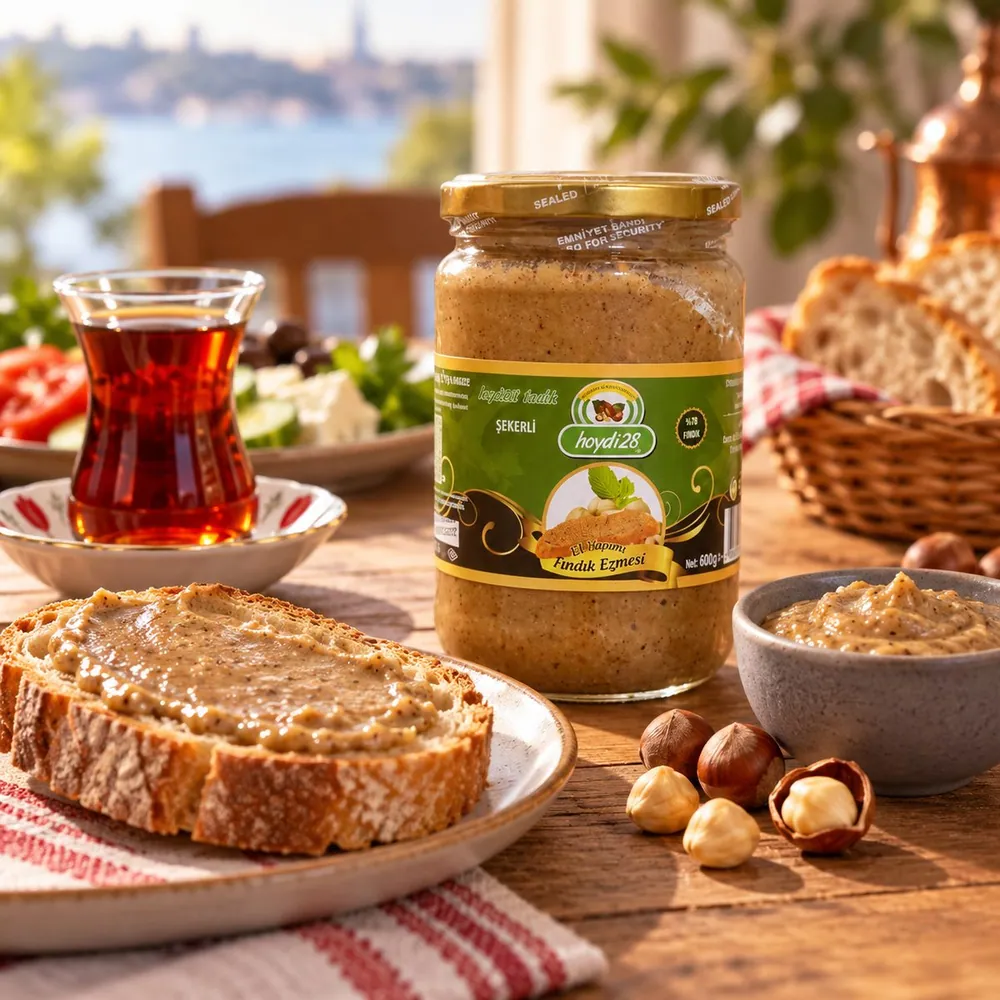
Additive-free hazelnut butter is delicious on its own, but in the kitchen it is far more flexible than most people assume.
Spreading it on warm bread or flatbread is the classic use. The dense texture loosens slightly on a warm surface and the aroma opens up. It also works well on a sesame simit.
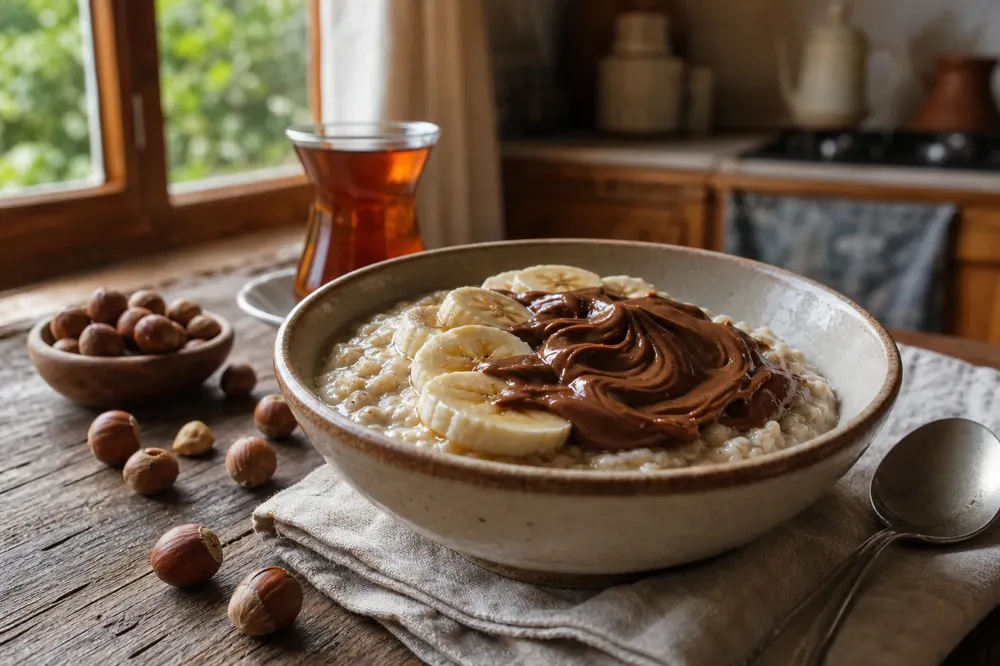
A spoonful lifts both the taste and the protein content of porridge. In fruit bowls, banana and hazelnut butter create a balanced transition of flavour.
Banana, milk and a spoonful of hazelnut butter make a natural energy drink. Adding cocoa or coffee gives a richer profile.
A teaspoon stirred into filter coffee or warm milk lends a hazelnut aroma. Loosening it first with a little hot liquid prevents lumps.
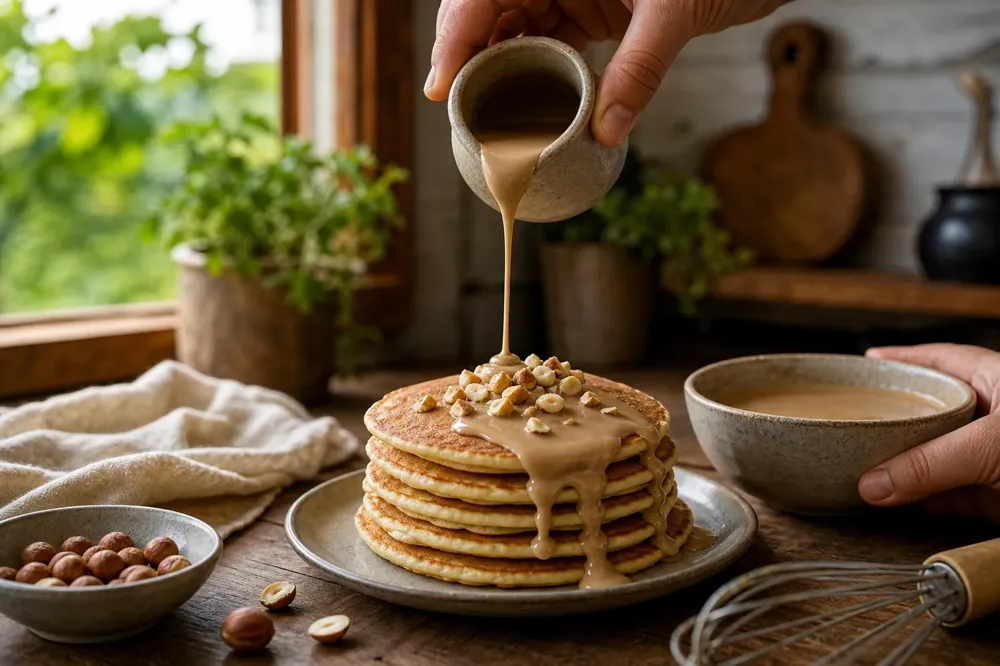
Add it to cookie dough, cake fillings or as a topping. Thinned with milk it becomes a pourable sauce for pancakes and crêpes.
A plain spoonful is a quick, dense source of energy before training.
Butters without added sugar are a reasonable option in children’s diets. Because of nut allergy risk, introduce it in a small amount first.
Dense butters work better for fillings and spreading; runnier ones suit sauces and smoothies.
Most supermarket products contain sugar, palm oil and emulsifiers. In an additive-free butter, oil separation on top is normal; stirring restores the texture.
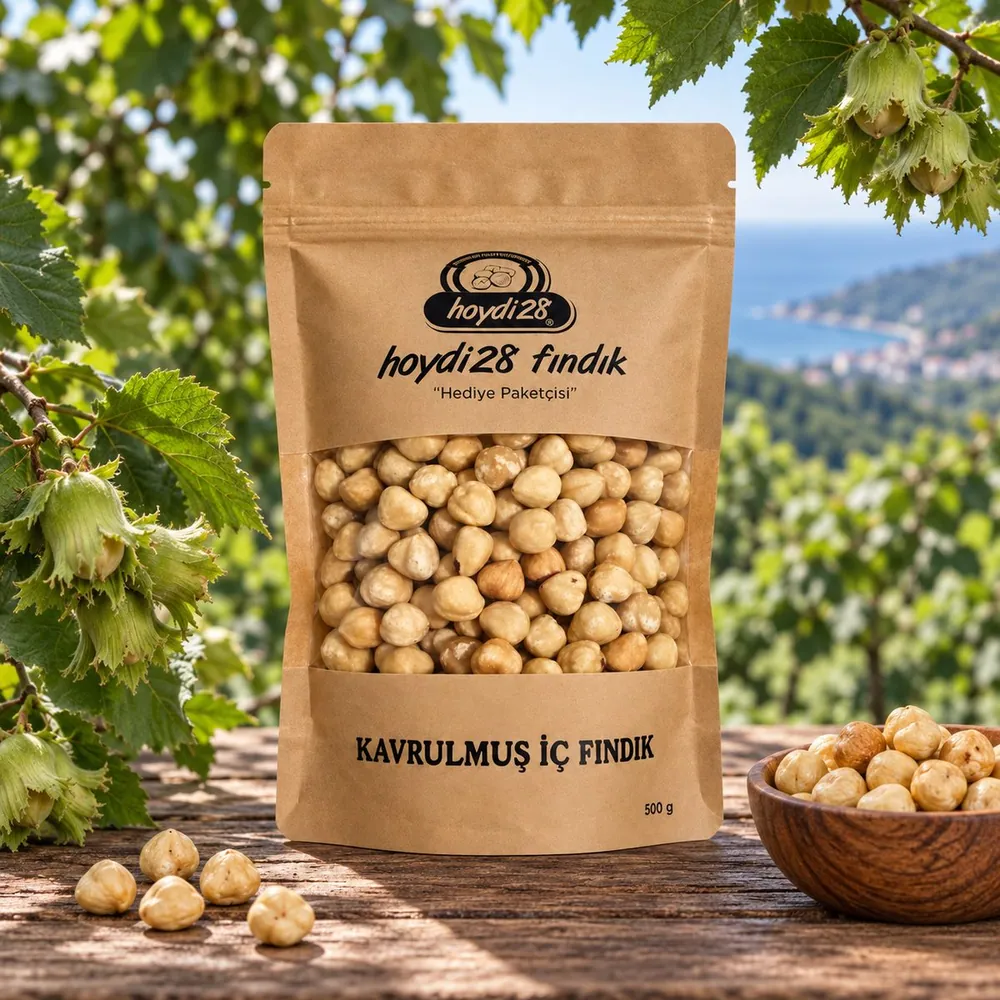
24 Kasım'da öğretmene hediye vermek yasak değil ama sembolik olmalı. MEB kuralını sade bir dille anlattık, küçük kavanoz fındık ve ev yapımı fikirler paylaştık.
Read article →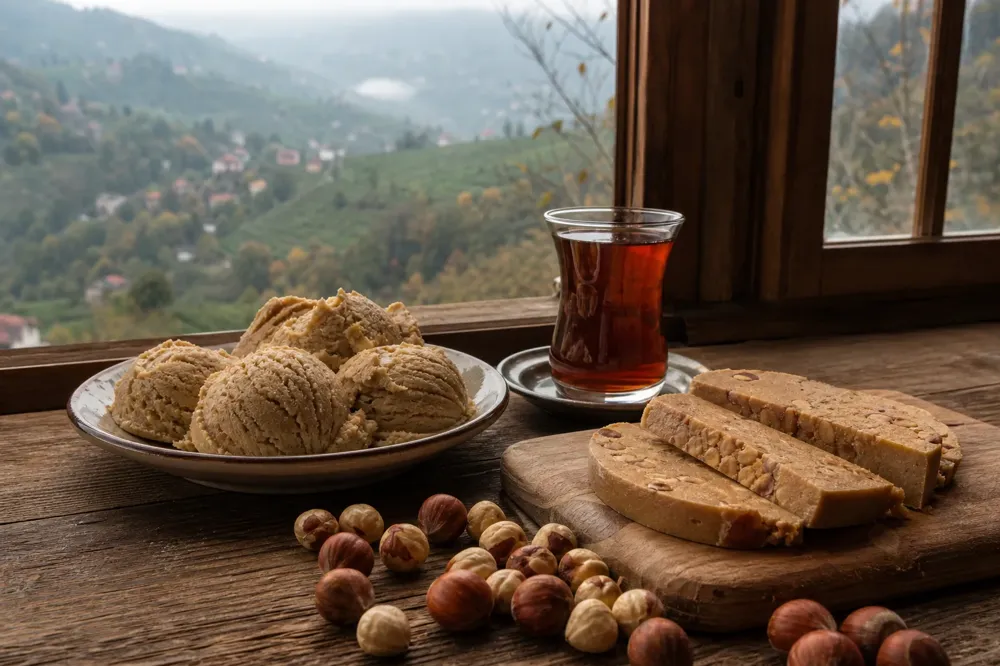
The hazelnut halva of a district where hazelnuts don't grow, Ordu's Kabataş halva and homemade hazelnut flour halva: plus when you should add the hazelnuts.
Read article →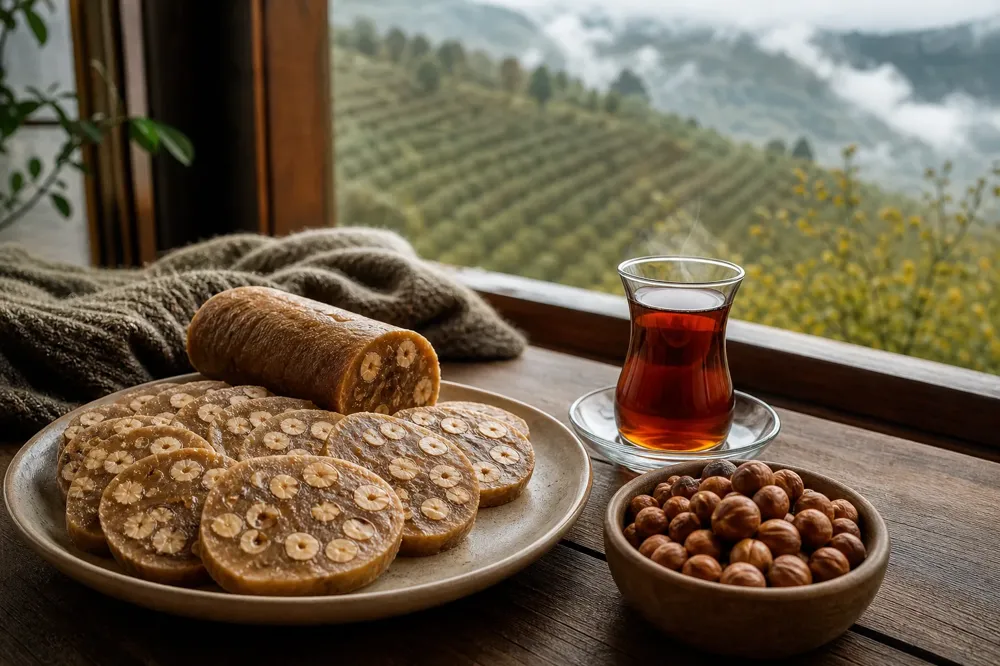
We explain what the hazelnut köme you spot at the market or receive as a gift actually is, how it differs from pestil, how it is made at home and how to store it all winter.
Read article →Karadeniz Fırtınası is made with hazelnuts alone. We use no fillers, flavourings, preservatives or emulsifiers, what the label says is exactly what’s in the jar.
 Chat on WhatsApp