What lies behind the "nuts extend your life" headlines that appear regularly in nutrition news? Let's look at the data from one of the most comprehensive meta-analyses, both its findings and its limits.
In a systematic review and dose-response meta-analysis published in BMC Medicine, PubMed and Embase were searched and **20 prospective studies** (29 publications) were analysed.
A prospective cohort study means participants are assessed at the start and followed for years. There is no experimental intervention, only observation.
Summary risk ratios per **28 gram** daily increase in nut intake:
Coronary heart disease: **0.71** (a 29% lower risk ratio). Cardiovascular disease: **0.79**. Total cancer: **0.85**. All-cause mortality: **0.78**.
For specific causes of death: respiratory disease 0.48, diabetes 0.61, neurodegenerative disease 0.65, infectious disease 0.25, kidney disease 0.27.
Stroke was different: 0.93, and not statistically significant.
This is the most practical result. The relationship between nut intake and cardiovascular disease risk was **non-linear**.
Risk reduction was observed up to about **15 g a day**; no further reduction was seen at higher intakes.
Stroke showed a similar pattern: reductions up to 10-15 g, then a slight upward tendency (though this disappeared when stroke incidence and stroke mortality were analysed separately).
The practical meaning: a handful is enough. More does not deliver proportionally more benefit.
In the PREDIMED intervention trial on the Mediterranean diet, 323 deaths occurred over a median follow-up of 4.8 years.
Participants eating more than three servings of nuts a week (32% of the cohort) had a **39% lower mortality risk** than non-consumers (HR 0.61).
Those assigned to the Mediterranean diet with nuts group who ate more than three servings weekly at baseline had the lowest risk (HR 0.37).
The meta-analysis authors ran a calculation: if these associations are causal, **4.4 million premature deaths** in the Americas, Europe, Southeast Asia and the Western Pacific in 2013 would be attributable to nut intake below 20 g a day.
The figure is striking, but note how the sentence begins: "**if these associations are causal**". That condition should not be overlooked.
All these studies are observational. People who eat nuts generally eat more fruit and vegetables, smoke less, are more active and differ in income.
Researchers adjust for such factors statistically, but residual confounding from unmeasured factors always remains.
Heterogeneity between studies was also high for some outcomes (for example I² = 66% for all-cause mortality), meaning different studies produced different results.
Outcomes such as infectious and kidney disease rested on only two studies with very wide confidence intervals, these should be treated as weak evidence.
A Swedish risk-benefit analysis calculated both the cardiovascular benefit of increasing nut intake and the liver cancer risk from aflatoxin B1 exposure.
Under a scenario where Swedes aged 55-79 ate 30 g of nuts a day instead of the national average of 5 g, more than 7,000 cardiovascular events could have been prevented in 2013.
The conclusion is in the title: the cardiovascular health benefits outweigh the burden of carcinogenic effects attributed to aflatoxin B1 exposure.
A handful a day (about 28-30 g) matches the amount examined in these studies.
Most of the benefit is reached at that level; more brings no proportional gain but adds calories.
Nuts are not a medicine, they are part of a dietary pattern. No single food prevents heart disease on its own.
If you have an existing health condition, plan dietary changes with your doctor.
Aune D. et al., "Nut consumption and risk of cardiovascular disease, total cancer, all-cause and cause-specific mortality: a systematic review and dose-response meta-analysis of prospective studies", BMC Medicine, 2016.
Guasch-Ferré M. et al., "Frequency of nut consumption and mortality risk in the PREDIMED nutrition intervention trial", BMC Medicine, 2013.
"Risks and Benefits of Increased Nut Consumption: Cardiovascular Health Benefits Outweigh the Burden of Carcinogenic Effects Attributed to Aflatoxin B1 Exposure", Nutrients, 2017.
Mayhew A.J. et al., meta-analysis of nut consumption and mortality risk, American Journal of Clinical Nutrition, 2015.
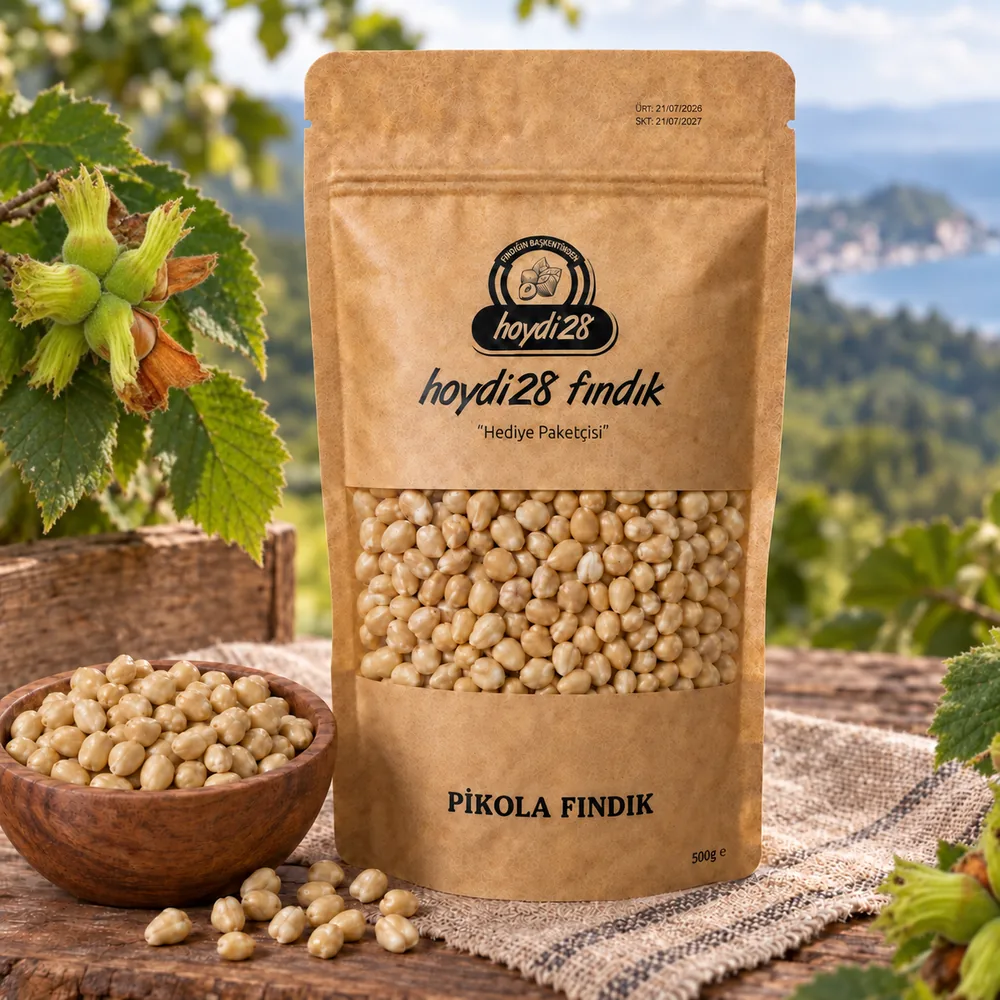
How soil, climate and altitude combine to give Giresun hazelnuts their distinctive aroma.
Read article →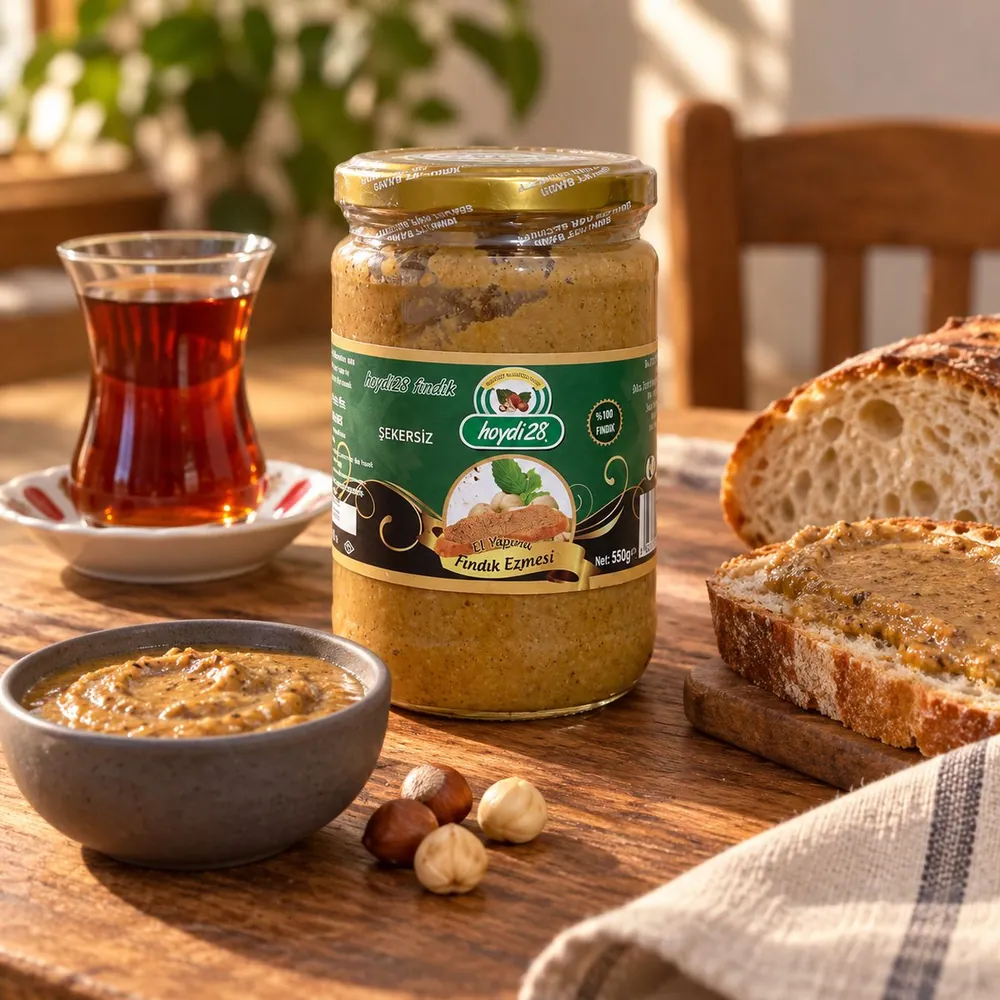
How to keep an opened jar fresh and smooth for months.
Read article →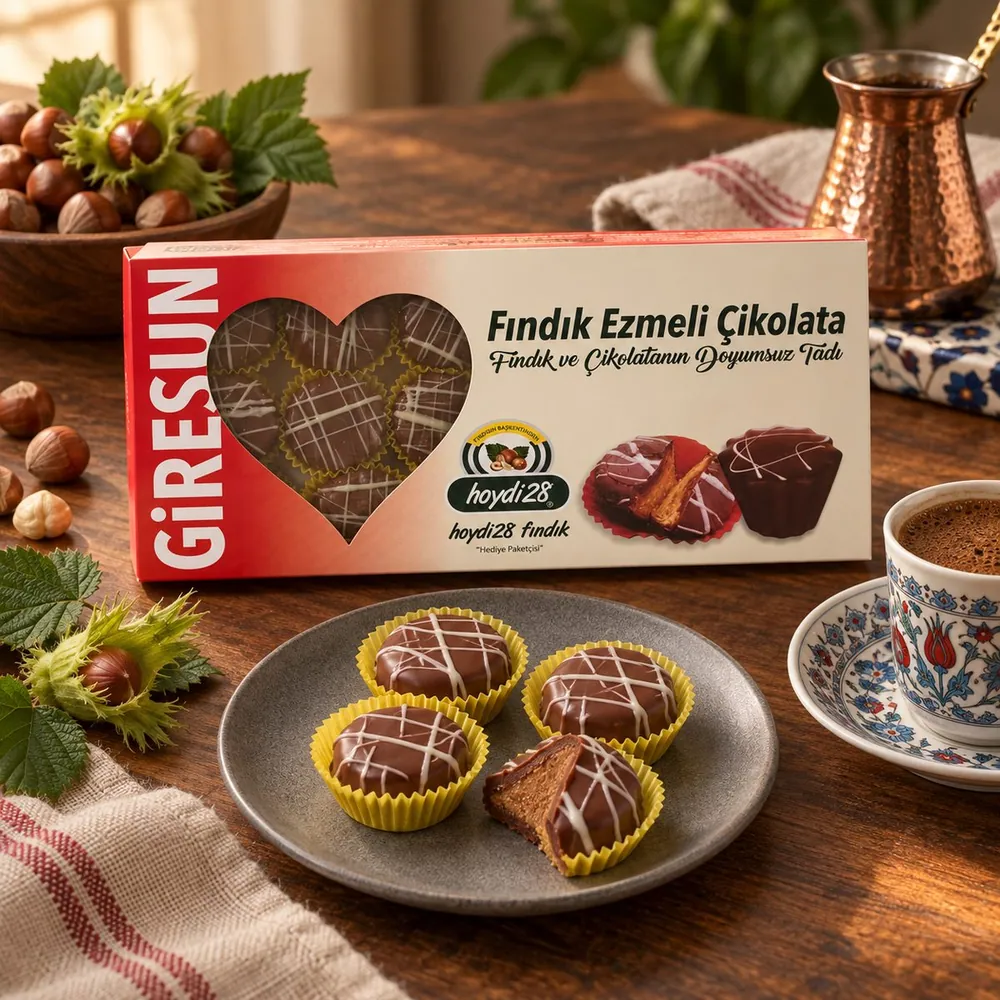
Why hazelnut boxes stand out for New Year and special-occasion gifting.
Read article →Karadeniz Fırtınası is made with hazelnuts alone. We use no fillers, flavourings, preservatives or emulsifiers, what the label says is exactly what’s in the jar.
 Chat on WhatsApp