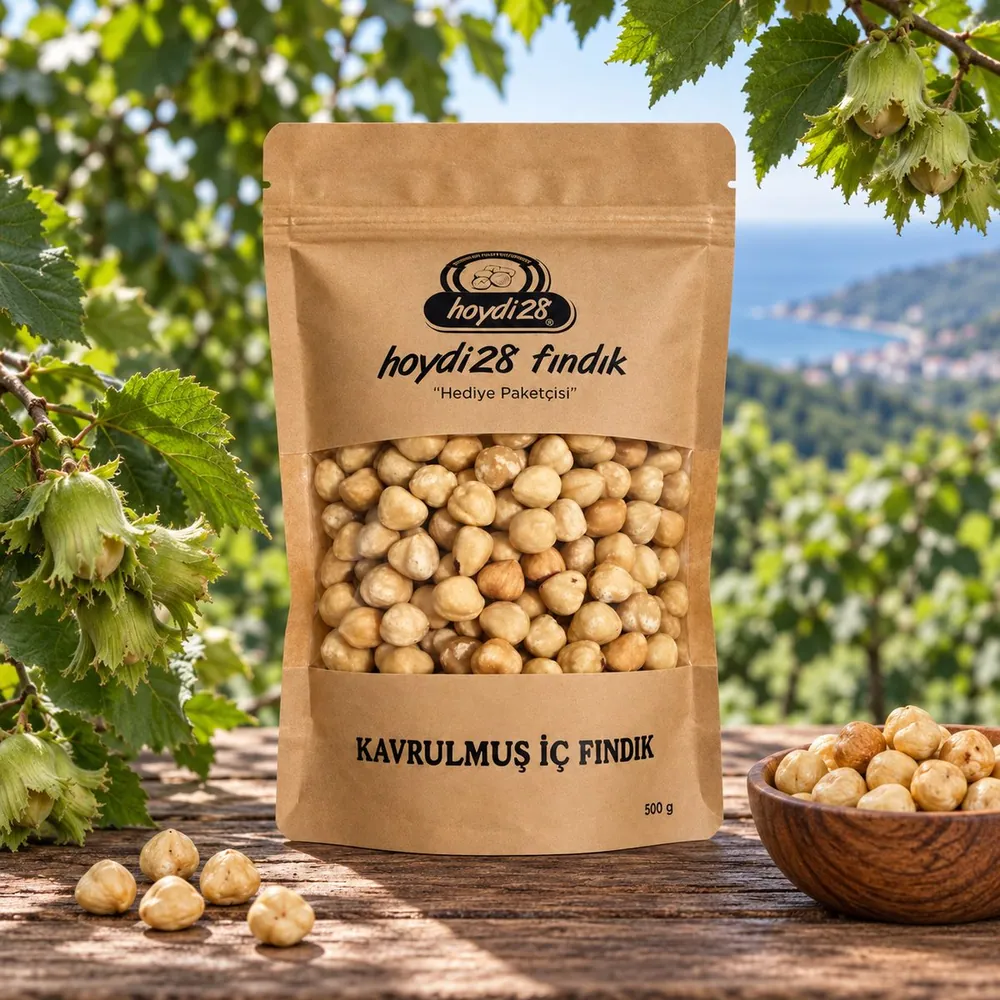
Nuts are among the most common snacks in the gym. What lies behind that choice? Let's look at the strengths and weaknesses of hazelnuts from a sports nutrition perspective.
Hazelnuts contain about **163 mg of magnesium** per 100 g, 39% of the daily reference value. A handful (30 g) provides roughly 49 mg.
Why does magnesium matter for athletes?
**Energy production.** Magnesium is required for ATP activation and sits at the centre of cellular energy production.
**Muscle contraction and relaxation.** Calcium triggers contraction; magnesium enables relaxation. When that balance skews towards calcium, cramps, twitching and tightness can follow.
**Loss through sweat.** Athletes lose magnesium in sweat, which is why their requirements are said to run 10-20% above the general recommendation.
The best evidence here comes from almond studies. **Two randomised controlled trials** reported that almonds reduced creatine kinase levels and delayed onset muscle soreness (DOMS) after eccentric exercise.
Creatine kinase is a blood marker of muscle damage.
For walnuts, a 2024 meta-analysis of 13 studies confirmed that their omega-3 content reduces post-exercise inflammatory markers.
No comparable study exists specifically for hazelnuts. Their magnesium and vitamin E content looks suited to similar mechanisms, but that remains an assumption.
A misconception worth correcting: hazelnuts are not a good protein source.
There are about 15 g of protein per 100 g, but a 30 g serving provides only 4.5 g. More importantly, nuts do not reach the **leucine threshold** needed to meaningfully stimulate muscle protein synthesis at typical serving sizes.
Hazelnuts should therefore be seen as a **supporting** food alongside other protein sources, not as a protein source in themselves. Eating hazelnuts alone after training will not meet protein needs.
**Before training:** Because of their fat content, hazelnuts digest slowly. Eating them immediately before exercise can cause stomach discomfort. One to two hours ahead may suit longer aerobic sessions.
**After training:** In the recovery window, quickly digested carbohydrate and quality protein come first. Hazelnuts do not replace either, but they add micronutrient support alongside them.
**Through the day:** Between meals is the most practical time for magnesium, vitamin E and healthy fat intake.
Athletes have high calorie needs, and the density of hazelnuts can be an advantage. For someone struggling to gain weight, high calories in a small volume is useful.
For an athlete managing weight, portion discipline is required. 100 grams of hazelnuts is about 628 calories.
In sports nutrition, a short ingredient list matters. Single-ingredient hazelnut butter with no added sugar is preferred for that reason.
Butter digests faster than whole nuts because the cell walls are already broken. That can be an advantage before training; for the same reason it is less satiating.
Studies on magnesium supplementation mention figures like "11% performance improvement in 10 days". Such results are generally obtained **in people who were deficient**.
In an athlete already getting enough magnesium, there is no strong evidence that extra intake improves performance.
Hazelnuts can be a useful part of a balanced athlete's diet, but performance is determined by the training programme, total calories, protein intake and sleep.
Building a sports nutrition plan with a dietitian is the best approach.
USDA FoodData Central, hazelnut magnesium and protein content.
Two randomised controlled trials on almond consumption and creatine kinase/DOMS after eccentric exercise.
Meta-analysis of 13 studies on walnut omega-3 and post-exercise inflammatory markers, 2024.
NIH Office of Dietary Supplements, magnesium and muscle function.
"Effects of Magnesium on Sleep, Recovery, and Athletic Performance", clinical trial protocol, 2025.
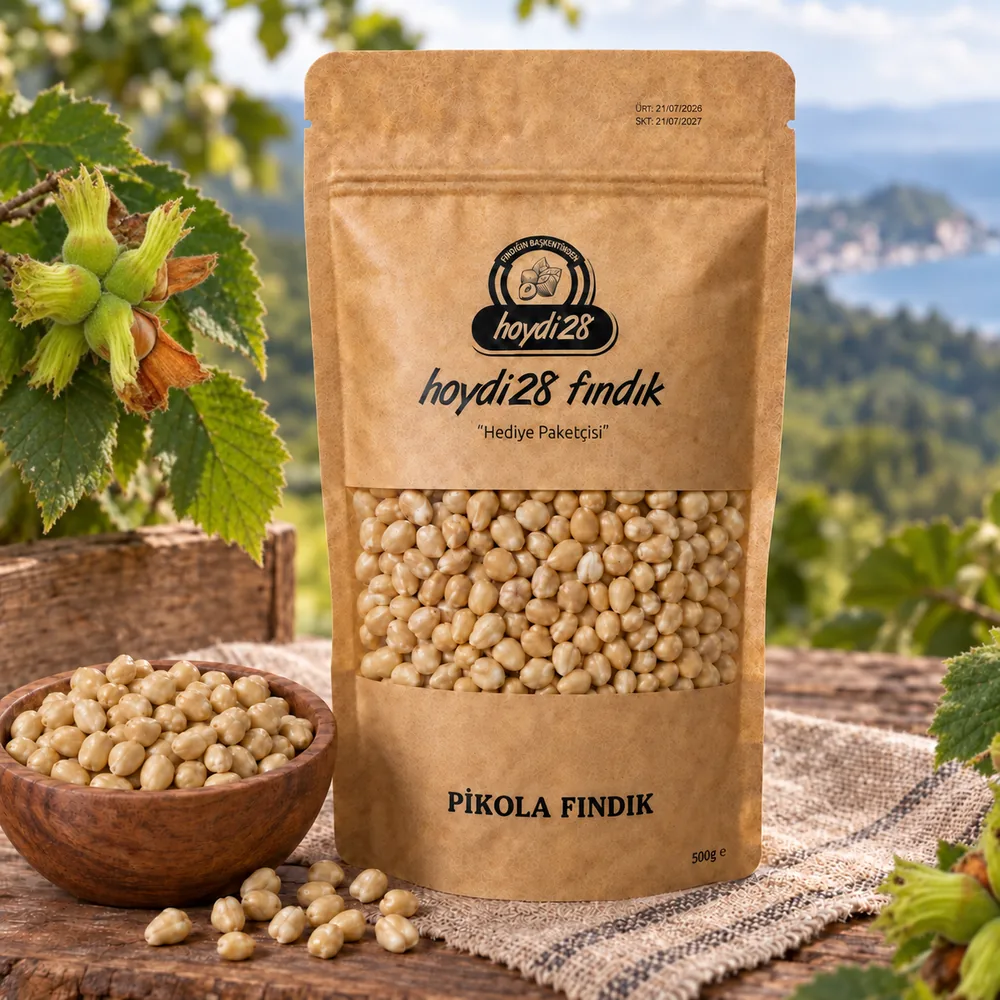
How soil, climate and altitude combine to give Giresun hazelnuts their distinctive aroma.
Read article →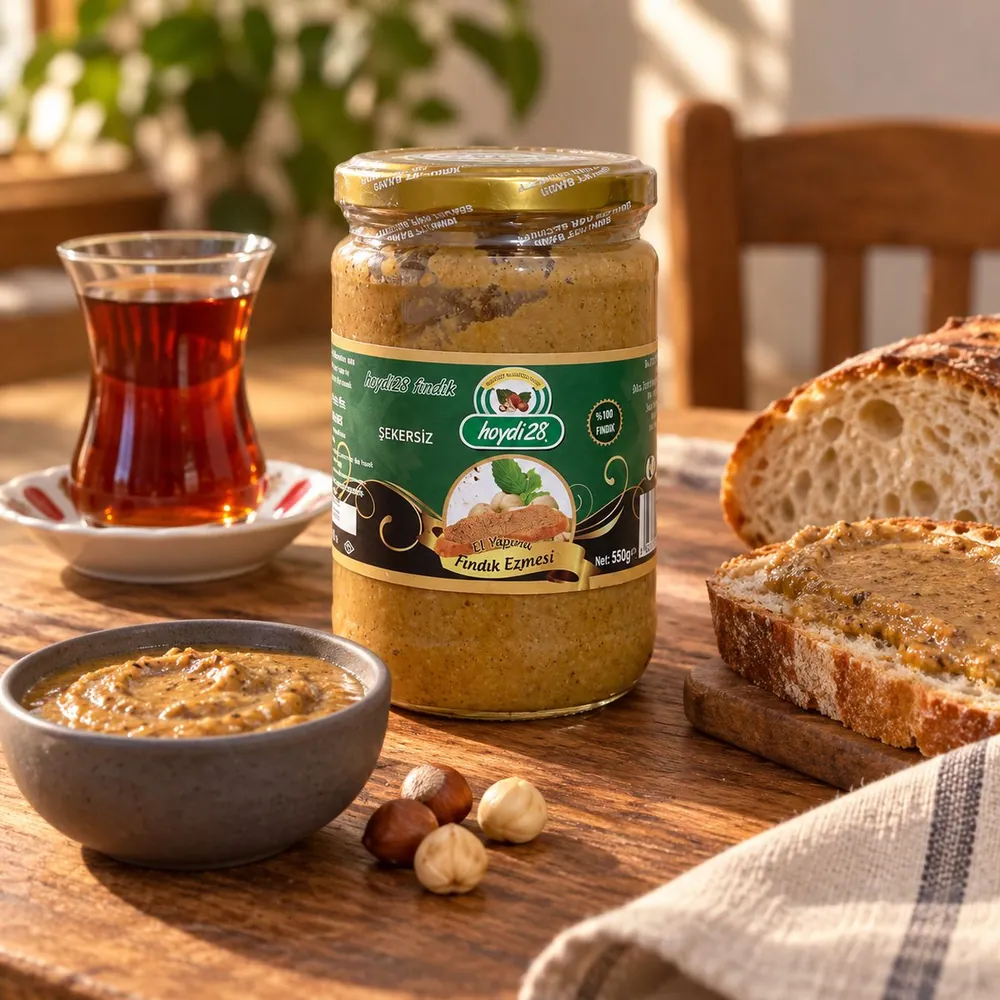
How to keep an opened jar fresh and smooth for months.
Read article →
Why hazelnut boxes stand out for New Year and special-occasion gifting.
Read article →Karadeniz Fırtınası is made with hazelnuts alone. We use no fillers, flavourings, preservatives or emulsifiers, what the label says is exactly what’s in the jar.
 Chat on WhatsApp