What we call "the hazelnuts have gone off" is in fact a defined chemical process. Understanding it also explains why storage advice takes the form it does.
About 61% of a hazelnut is fat. When fatty acids come into contact with oxygen, a chain reaction begins: lipid oxidation.
The products of that reaction are the source of the bad taste and smell we detect. If you notice a paint-like, chalky or soapy odour, oxidation is well advanced.
The process is gradual, not sudden. Hazelnuts first lose their aroma, then taste flat, and only later turn distinctly rancid.
Hazelnuts contain about 15 mg of vitamin E per 100 g. This is no coincidence: seeds high in oil carry antioxidants to protect that oil.
Alpha-tocopherol interrupts the oxidation chain. In a human study on LDL oxidation, alpha-tocopherol content within LDL particles rose after hazelnut consumption and resistance to oxidation lengthened.
The same mechanism works inside the nut itself. But antioxidant capacity is not infinite; it depletes over time.
**Oxygen.** An opened pack, an unclosed jar or broken kernels increase surface area and oxygen contact. Shelled kernels spoil faster than in-shell nuts.
**Heat.** Temperature accelerates every chemical reaction. The cupboard above the hob or a sunlit shelf are the worst places for hazelnuts.
**Light.** Direct sunlight in particular supplies the energy that triggers oxidation. If you use a glass jar, keeping it inside a cupboard rather than on the worktop makes a difference.
**Moisture.** Hazelnuts absorb moisture, which spoils texture and raises the risk of mould. Roasted nuts usually lose their crunch because of moisture.
The shell is a natural barrier against both oxygen and light. If you plan to store for a long period, buying in-shell is an advantage.
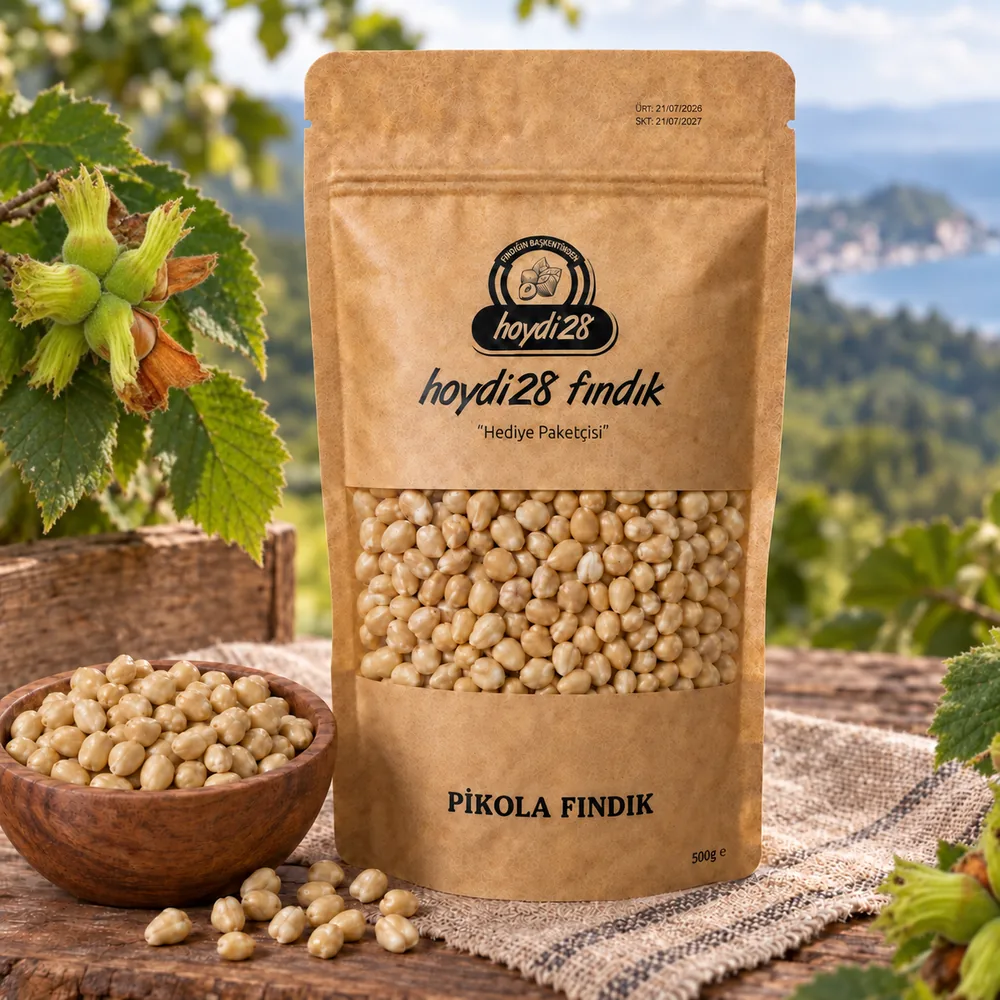
In-shell hazelnuts kept at the right humidity hold their aroma for a long time. Shelled kernels should be eaten more quickly once opened.
Roasting lowers moisture and concentrates aroma, which is positive. But it also breaks down cell structure, making it easier for oil to reach the surface.
As a result, roasted hazelnuts have a more intense aroma than raw ones but are also more exposed to oxidation. Double-roasted products should therefore be kept sealed after opening and eaten within a reasonable time.
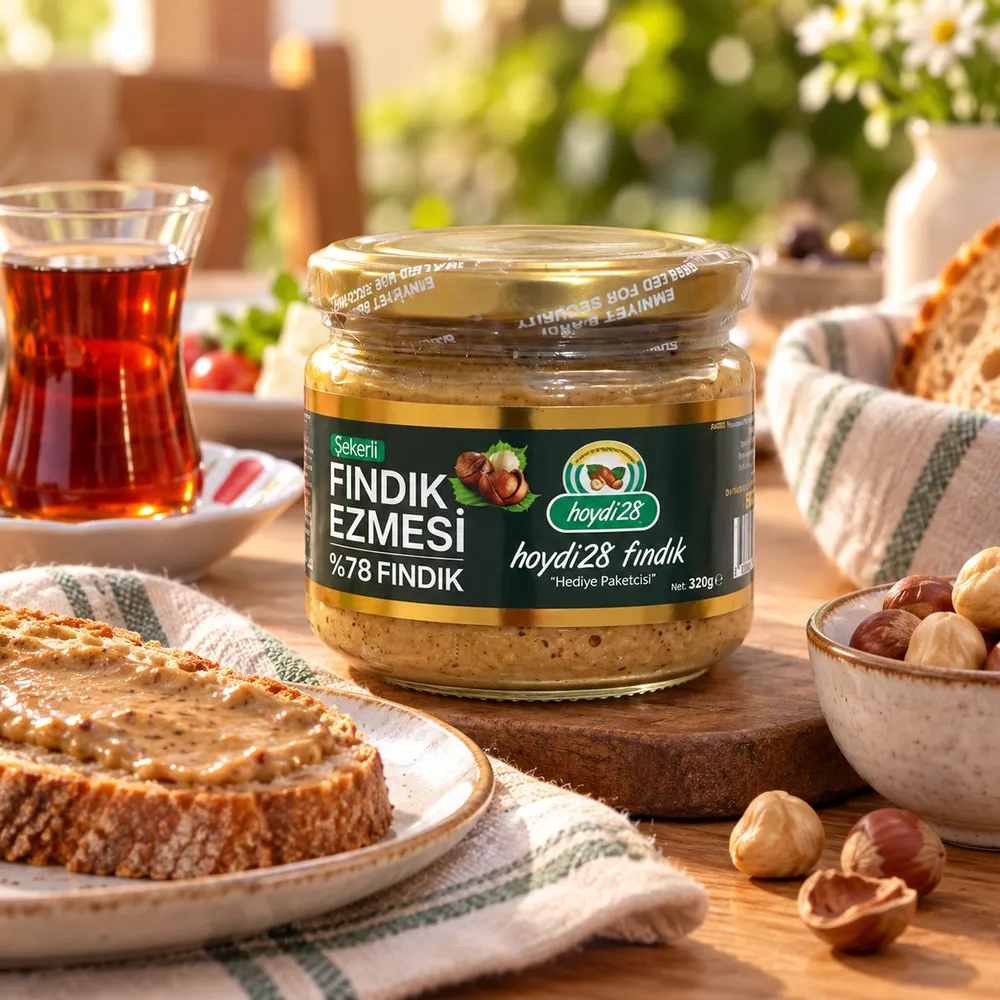
In butter the oil is already free. The layer that gathers on top of the jar indicates that no emulsifier was used; it does not mean spoilage, and stirring restores the texture.
The real risk in butter is moisture and micro-organisms entering the jar. Using a wet spoon is the most common mistake. A dry spoon every time noticeably extends shelf life.
There is no need to refrigerate hazelnut butter; it hardens and becomes difficult to spread. A cool, dark cupboard shelf is enough.
In hot summer months, keeping shelled kernels in a sealed container in the fridge extends shelf life. For very long storage the freezer works too; hazelnuts freeze well.
One rule: do not refreeze after thawing. Also, do not open the container immediately after taking it out of the fridge, let it come to room temperature first, or condensation will form and create a moisture problem.
Smelling is the most reliable method. Fresh hazelnuts smell faintly sweet, oily and clean.
A sharp paint-like odour, a soapy sensation or a lingering bitterness signals spoilage. Do not eat the product in that case. Visually, darkened, shrivelled kernels or any dust-like whiteness should be discarded.
Keep sealed, store cool and dark, stay away from moisture, buy in-shell for long storage, and always use a dry spoon with butter.
These sound simple, but their effect on shelf life is clear. Properly stored hazelnuts keep for 8-12 months, while under poor conditions aroma loss can begin within weeks.
Yücesan F.B. et al., "Hazelnut consumption decreases the susceptibility of LDL to oxidation, plasma oxidized LDL level and increases the ratio of large/small LDL", Anatolian Journal of Cardiology, 2010.
USDA FoodData Central, hazelnut fat and vitamin E content.
Schmidt A. et al., "Nutrient Composition of Different Hazelnut Cultivars Grown in Germany", Foods / MDPI, 2020.
How soil, climate and altitude combine to give Giresun hazelnuts their distinctive aroma.
Read article →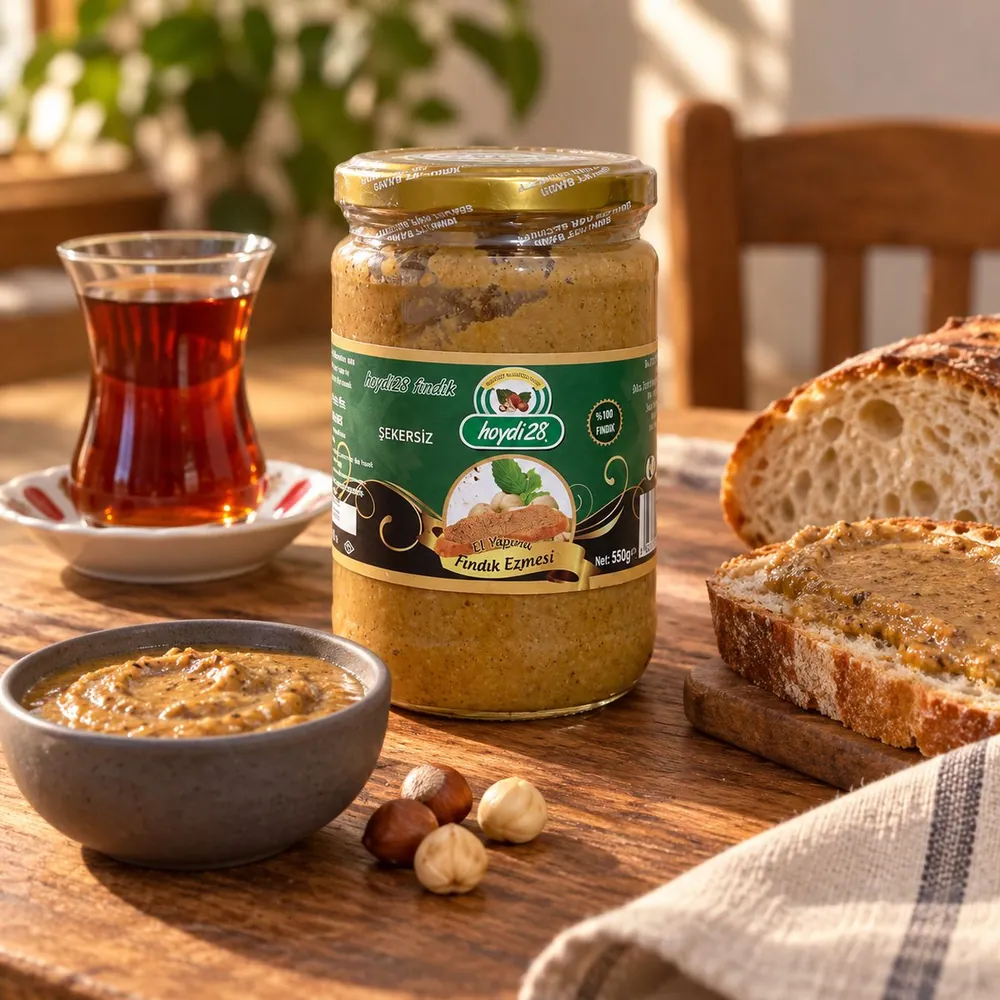
How to keep an opened jar fresh and smooth for months.
Read article →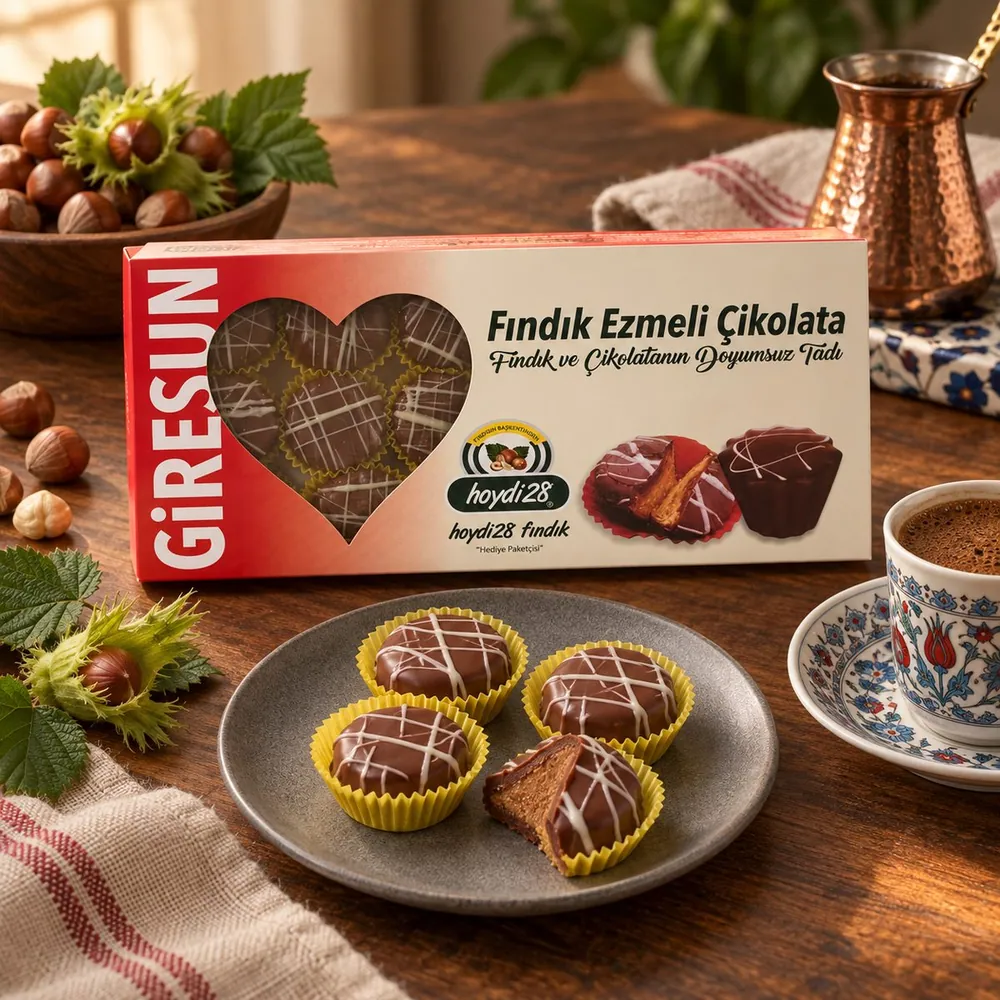
Why hazelnut boxes stand out for New Year and special-occasion gifting.
Read article →Karadeniz Fırtınası is made with hazelnuts alone. We use no fillers, flavourings, preservatives or emulsifiers, what the label says is exactly what’s in the jar.
 Chat on WhatsApp