Choosing nuts can be confusing if you are watching your blood sugar. Let's look at where hazelnuts sit.
100 grams of hazelnuts contains about 16.7 g of carbohydrate, of which 9.7 g is fibre. Digestible carbohydrate is therefore quite low. Sugar content is just 4.34 g per 100 g.
According to Aprifel data, the carbohydrate content of hazelnuts is markedly below the average for nuts, while fibre is above average.
In practice: a 30 g handful contains roughly 2 g of digestible carbohydrate. Compared with a packet of biscuits of the same calorie count, the difference is substantial.
In a small trial, participants were given a 30 g nut mix daily for 12 weeks, of which 7.5 g was hazelnut. At the end of the study, an improvement in insulin sensitivity was observed.
Some caution is needed here: the study was on a mixed nut product rather than hazelnuts specifically, and the number of participants was limited. It is not enough evidence to claim that hazelnuts correct insulin resistance. But it does suggest nuts in general have potential in this direction.
Three components work together.
The high fat content slows gastric emptying. Protein moderates the rate at which carbohydrate enters the bloodstream. Fibre extends the digestive process.
The result is a flatter curve rather than a sharp spike, the same mechanism that explains why hazelnuts keep you full for so long.
Adding nuts to a carbohydrate-containing meal can soften that meal's effect on blood sugar. This is an approach nutritionists often suggest.
Portion size is critical here, though. Hazelnuts are calorie dense; added on top of a meal, they raise total energy intake. For someone managing their weight, the right approach is to use hazelnuts in place of a less nutritious snack rather than as an extra.
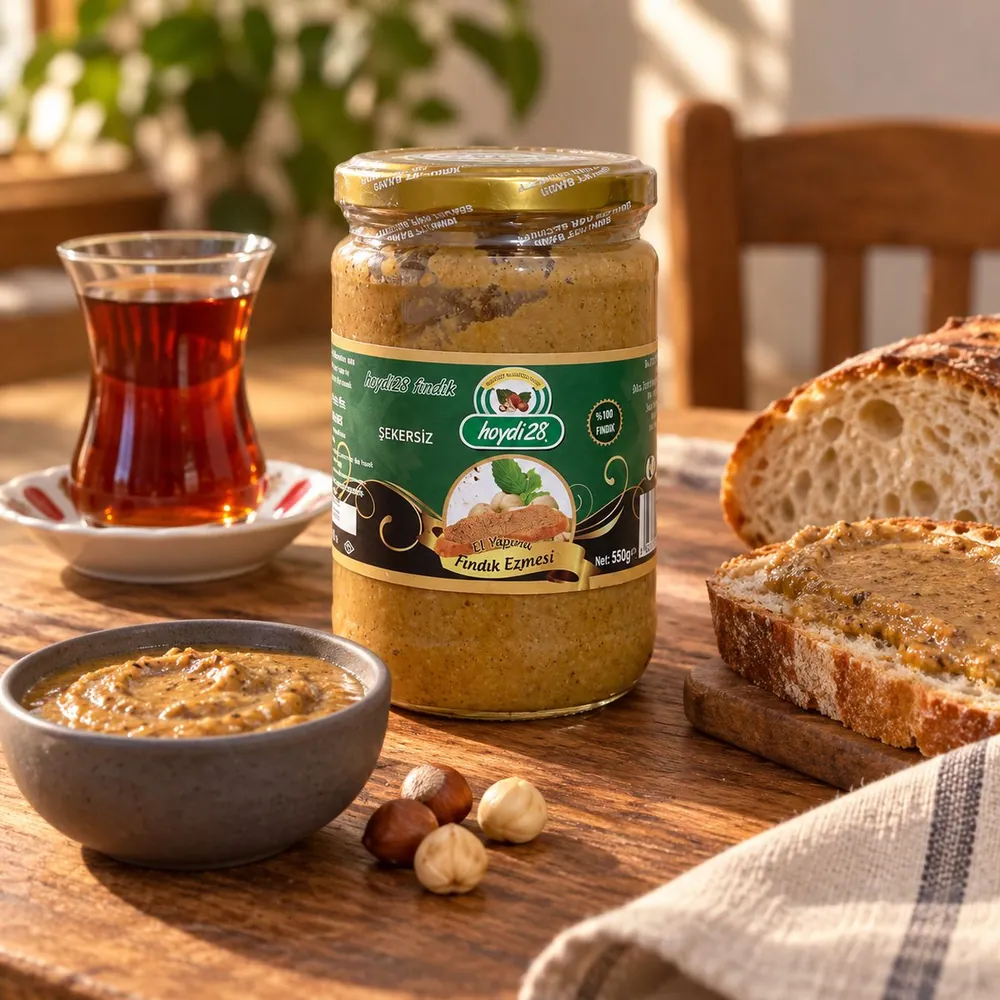
With hazelnut butter the picture varies by product. Many on the market contain sugar, glucose syrup and vegetable oil, which changes the blood sugar response compared with plain hazelnuts.
Butters with a single-line ingredient list containing only hazelnuts are the closest option to plain nuts. Checking the sugar percentage and whether oil has been added tells you more than the product name does.
Because hazelnuts are calorie dense, people assume they cause weight gain. In the 2016 meta-analysis, no significant change in body mass index was found in groups following a hazelnut-enriched diet.
The likely reason is satiety: people who eat hazelnuts tend to eat less of other foods. Even so, this does not mean "eat as much as you like". Total calorie balance was maintained in those trials.
If you have diabetes or insulin resistance, plan any dietary changes with your doctor and dietitian. This article is general information and does not replace personalised medical advice.
USDA FoodData Central, hazelnut nutrient composition.
Aprifel, hazelnut nutritional values (Ciqual 2020).
Perna S. et al., "Effects of Hazelnut Consumption on Blood Lipids and Body Weight", Nutrients, 2016.
Medical News Today review, nut mix and insulin sensitivity trial, 2011.
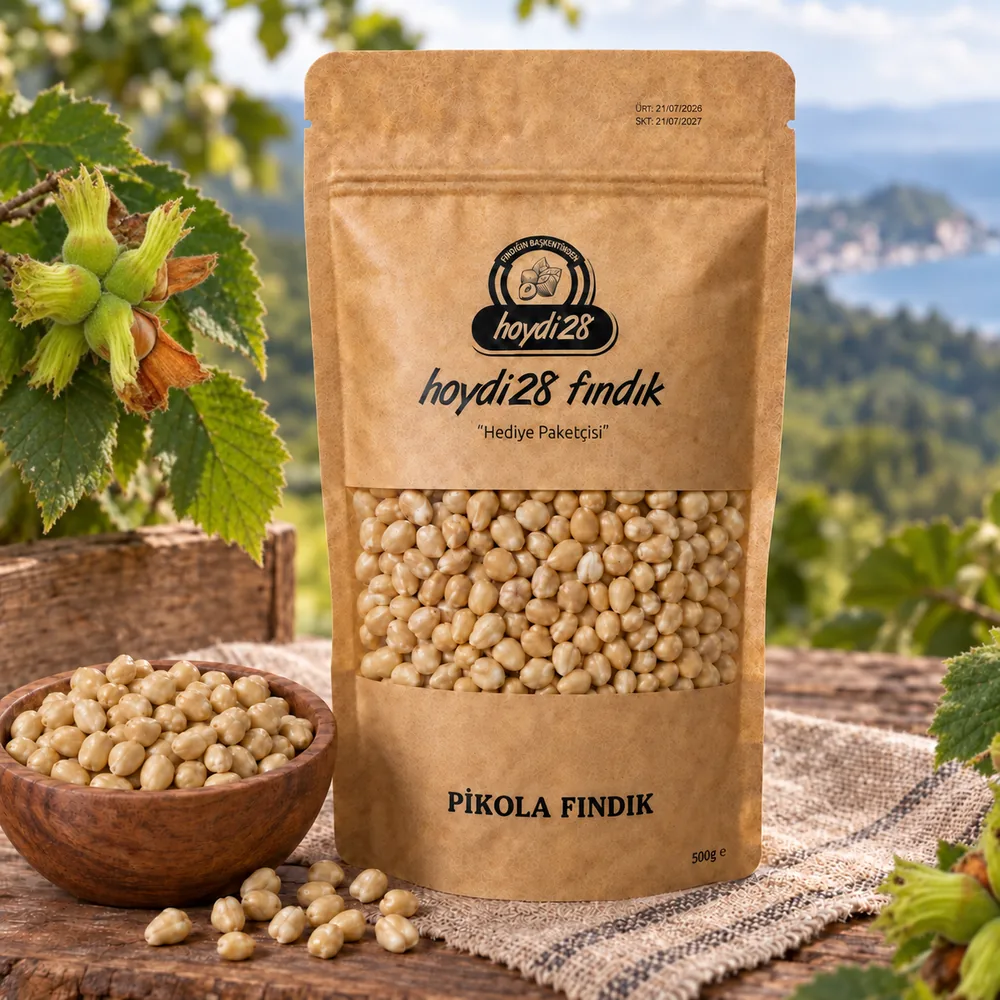
How soil, climate and altitude combine to give Giresun hazelnuts their distinctive aroma.
Read article →How to keep an opened jar fresh and smooth for months.
Read article →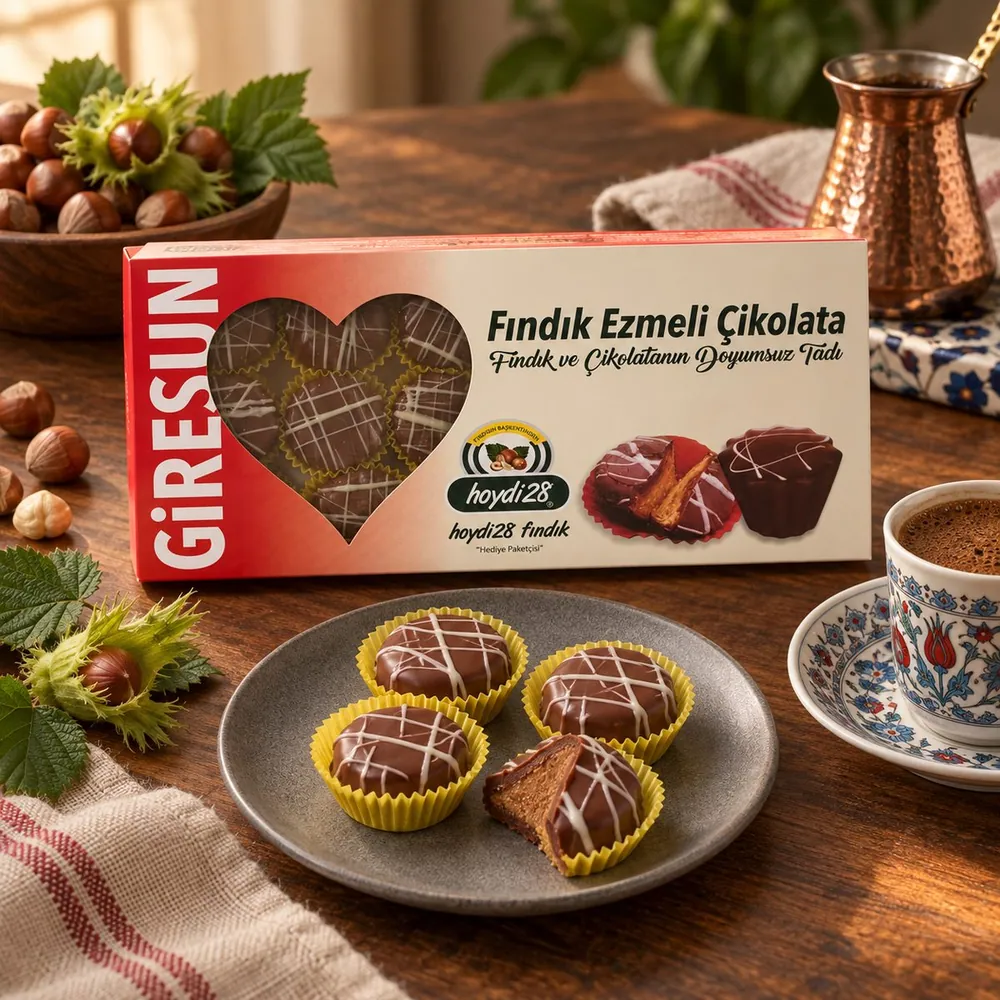
Why hazelnut boxes stand out for New Year and special-occasion gifting.
Read article →Karadeniz Fırtınası is made with hazelnuts alone. We use no fillers, flavourings, preservatives or emulsifiers, what the label says is exactly what’s in the jar.
 Chat on WhatsApp