Nutrition in pregnancy attracts a great deal of advice and relatively little evidence. On nuts there is one large study, let's read both its findings and its limits.
In research led by the Barcelona Institute for Global Health (ISGlobal) and published in the European Journal of Epidemiology, more than **2,200 mother-child pairs** from four regions of Spain (Asturias, Guipuzcoa, Sabadell and Valencia) took part.
Maternal nut intake was recorded through dietary questionnaires completed in the first and last trimesters. Children's neuropsychological development was measured with standard tests.
The nuts asked about included walnuts, almonds, peanuts, pine nuts and **hazelnuts**.
Children of mothers who ate a nut-rich diet in the **first trimester** scored better on cognitive function, attention capacity and long-term working memory.
Third-trimester consumption was analysed separately. Here either no associations were found, or the associations were weaker.
Researcher Jordi Júlvez interpreted the difference this way: the pace of foetal development varies through pregnancy, and there are periods when development is particularly sensitive to maternal diet.
The basic structure of the brain is largely shaped in the prenatal period and early childhood. The formation of neural networks continues over the long term, but there are critical windows.
The first three months cover neural tube closure and the establishment of basic nerve structures. Nutritional deficiencies would therefore be expected to matter most in this period.
Researchers point to two: **folic acid** and **essential fatty acids** (omega-3 and omega-6).
These components tend to accumulate in neural tissue, particularly in the frontal regions that influence memory and executive function.
Hazelnuts provide about **113 micrograms of folate** per 100 g, 28% of the daily reference value. Folate is critical for cell division and neural tube development.
Nuts are also a source of the plant omega-3 alpha-linolenic acid (ALA), the precursor of DHA. It was long thought that ALA affected brain function only through conversion to DHA; some clinical and animal studies suggest ALA may have effects of its own.
From the same cohort, 1,737 mother-child pairs were followed from pregnancy to age 15, with results published in the American Journal of Clinical Nutrition.
Attention was measured with the Conners' Kiddie Continuous Performance Test and the Attention Network Test, alongside other neuropsychological functions.
The findings suggested the association may persist up to age 11. The researchers stressed that the result should be interpreted with caution.
These studies are **observational**. They do not establish cause and effect.
Mothers who eat nuts during pregnancy probably eat more healthily overall, may differ in education level, and may differ in smoking and alcohol use. Researchers adjust statistically for such factors, but unmeasured confounding can remain.
The ISGlobal team said as much: as the first study to explore this effect, the findings must be treated with caution.
Nuts are dense in folate, magnesium, vitamin E and healthy fats, a reasonable option for the increased nutritional needs of pregnancy.
Portion size matters though: calorie requirements in pregnancy rise less than many assume. A handful (about 30 g) is a sensible starting point.
On allergy: mothers with a tree nut allergy should avoid them. In mothers without an allergy, there is no strong evidence that eating nuts in pregnancy increases allergy risk in the baby; some studies suggest the opposite. Discuss this with your doctor.
Buying from a reliable source matters even more in pregnancy because of aflatoxin. Do not eat mouldy, darkened or off-smelling products.
Nutrition in pregnancy is individual. This article is general information and does not replace the advice of your obstetrician or dietitian.
Gignac F., Júlvez J. et al., maternal nut consumption during pregnancy and child neuropsychological development, European Journal of Epidemiology, ISGlobal / INMA Project, 2019.
"Maternal prenatal nut and seafood consumption and child neuropsychological function from 4 to 15 years of age: a population-based cohort study", American Journal of Clinical Nutrition, 2025.
USDA FoodData Central, hazelnut folate and nutrient content.
"Maternal nutrition and its effects on fetal neurodevelopment", review, 2024.
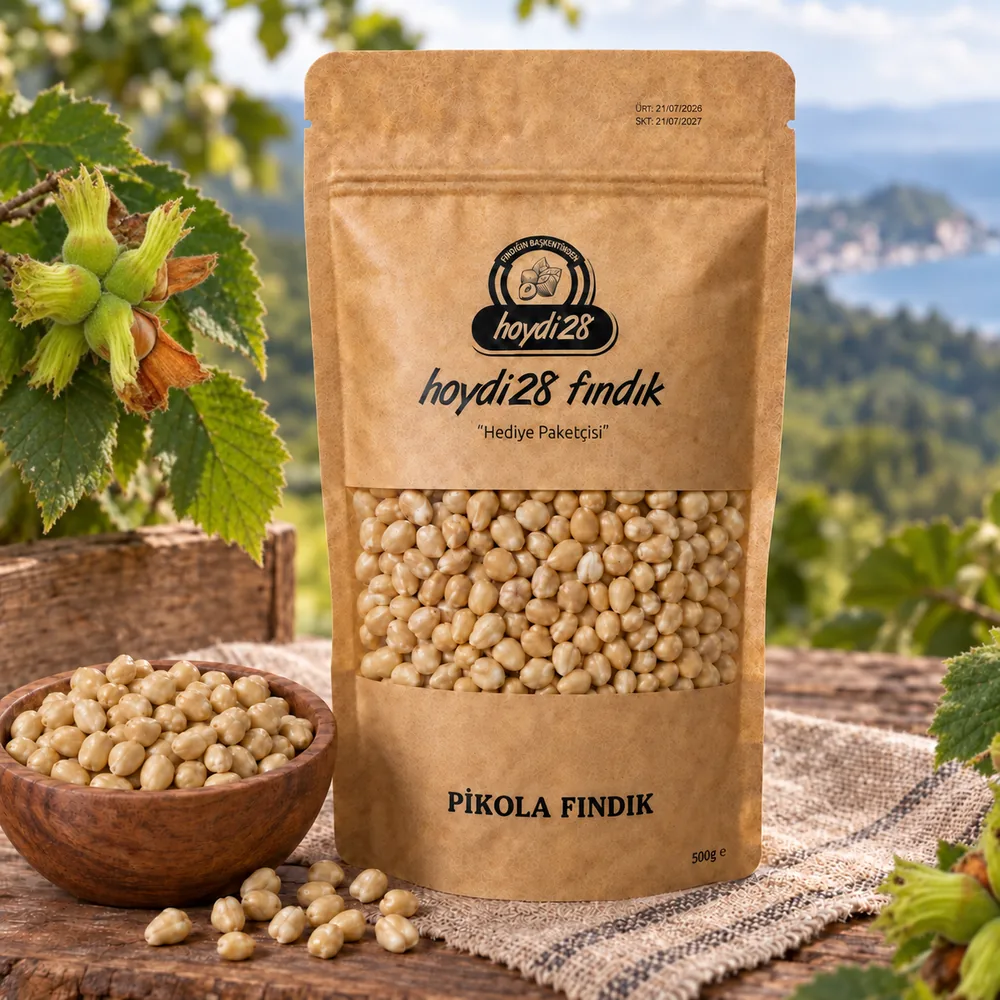
How soil, climate and altitude combine to give Giresun hazelnuts their distinctive aroma.
Read article →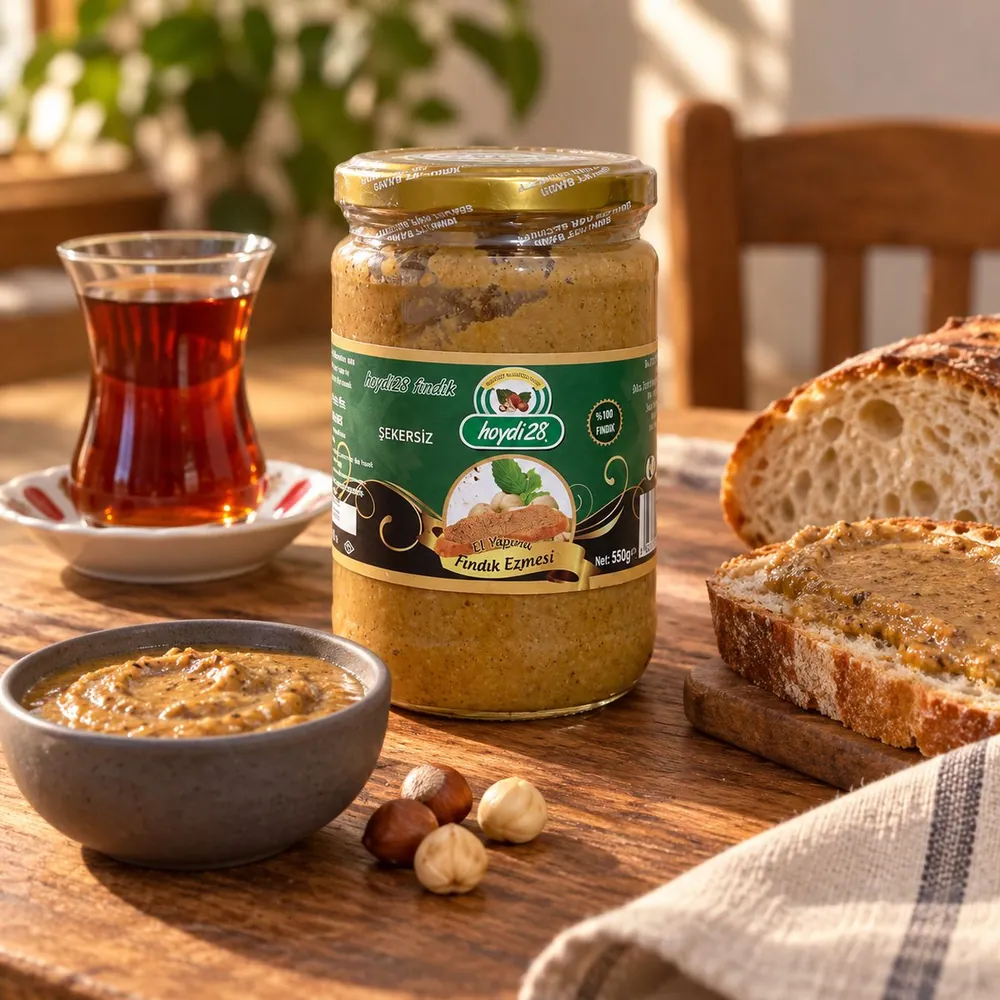
How to keep an opened jar fresh and smooth for months.
Read article →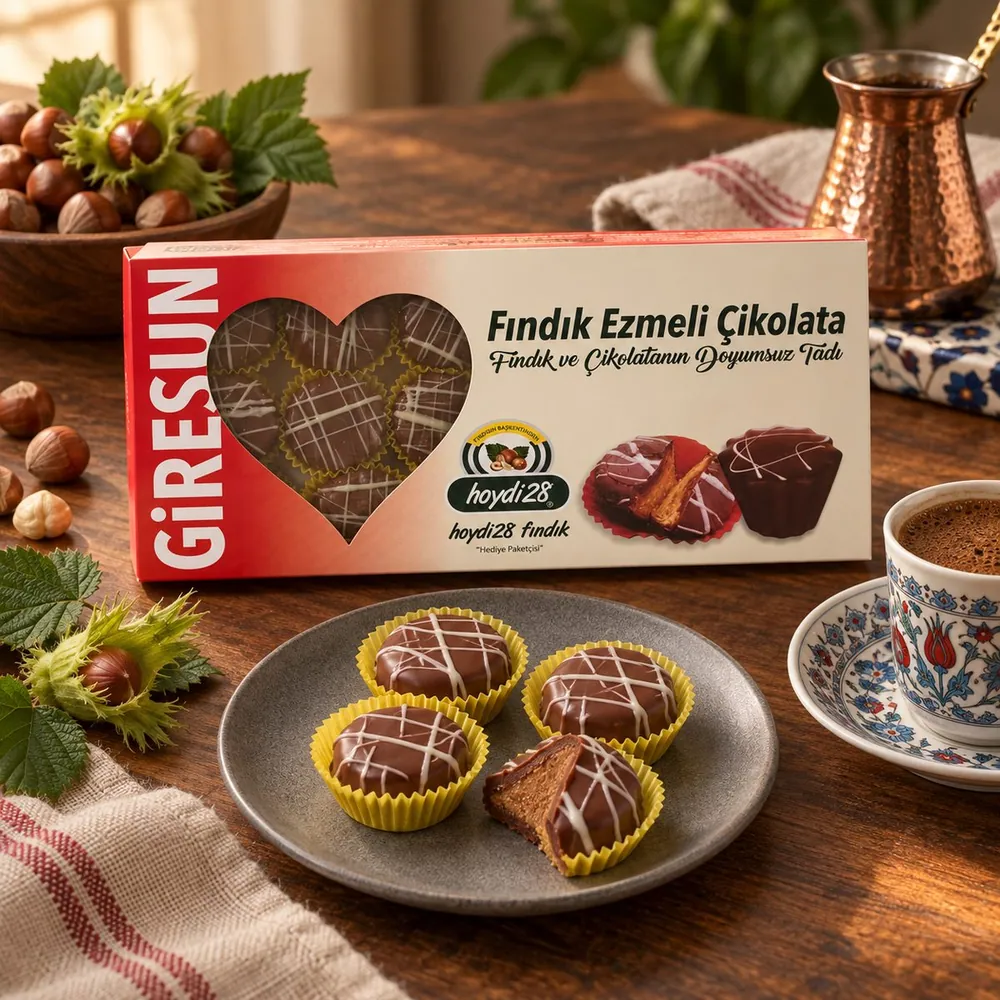
Why hazelnut boxes stand out for New Year and special-occasion gifting.
Read article →Karadeniz Fırtınası is made with hazelnuts alone. We use no fillers, flavourings, preservatives or emulsifiers, what the label says is exactly what’s in the jar.
 Chat on WhatsApp