Everyone says hazelnuts are nutritious, but exactly how much of what? Let's open up the table using the USDA nutrient database and academic analyses.
100 grams of raw hazelnuts provides roughly 628 kilocalories. Most of that comes from fat: 60.75 g of fat, 14.95 g of protein, 16.70 g of carbohydrate and 9.7 g of fibre. Sugar is just 4.34 g.
The fat figure looks high at first glance. But saturated fat is only about 4.5 g per 100 g, among the lowest of any nut. The bulk of the rest is monounsaturated fat.
100 grams of hazelnuts contains about 15 mg of vitamin E, which covers the full daily reference value. Even a 30 g handful supplies roughly 40% of the daily requirement.
According to the French nutrition body Aprifel, hazelnuts are the third richest nut in vitamin E after sunflower seeds and almonds. An analysis of German cultivars reported alpha-tocopherol content reaching up to 40.6 mg per 100 g, varying by variety and growing conditions.
Vitamin E is a fat-soluble antioxidant. Its abundance in hazelnuts is no accident: foods high in oil need to protect that oil from oxidation.
Manganese content is about 6.2 mg per 100 g, over 260% of the daily value, among the highest of any nut. Manganese is part of enzyme systems and antioxidant defence.
Copper is around 1.7 mg per 100 g (more than twice the daily value), magnesium 163 mg (39%), phosphorus 290 mg (23%), potassium 680 mg, iron 4.7 mg (26%) and zinc 2.45 mg (22%).
Calcium sits at 114 mg, a moderate level; hazelnuts should not be counted on as a calcium source.
Hazelnuts are rich in thiamine (B1): 0.64 mg per 100 g, more than half the daily value. Vitamin B6 is 0.56 mg (33%) and folate 113 micrograms (28%).
Folate is particularly valuable for plant-based diets, playing a role in cell division and blood formation.
There are 9.7 grams of fibre per 100 grams. A 30 g handful provides about 3 grams, roughly 11% of the daily requirement.
Fibre, together with fat and protein, slows gastric emptying. This is why hazelnuts are filling: a handful keeps you satisfied far longer than a biscuit of the same calorie count.
Hazelnuts contain phytic acid, a compound that partly reduces the absorption of minerals such as iron and zinc. In other words, not all the iron listed on the label reaches your body.
This does not make hazelnuts worthless, the same applies to many plant foods. But for someone with iron deficiency, hazelnuts should not be treated as a sufficient iron source on their own.
Among nuts, hazelnuts stand out for proanthocyanidins, a group of antioxidants. A significant share of these compounds sits in the skin. Eating hazelnuts with the skin on is therefore sometimes recommended; however, a study in children found no clear difference between skin-on and skin-off hazelnuts in their effect on blood lipids.
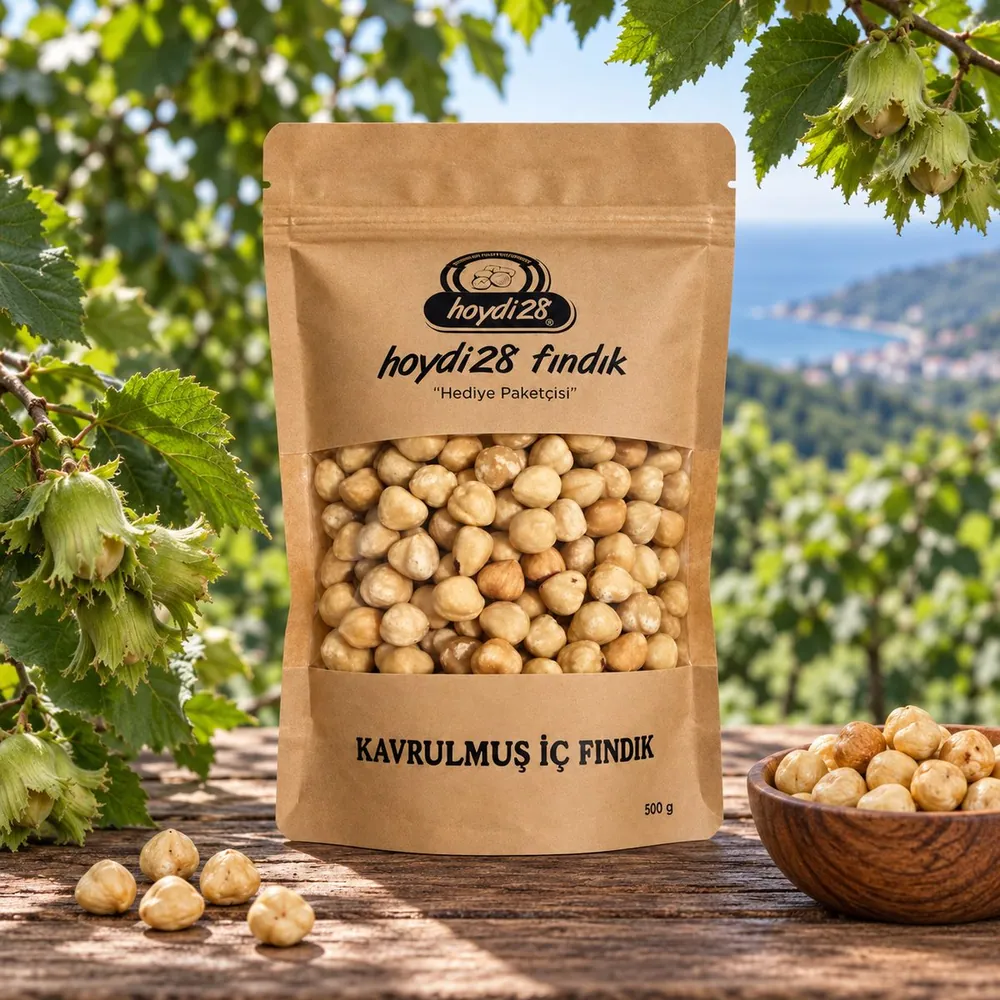
A handful of hazelnuts averages 30 grams and contains roughly 186-190 calories, which is about 20-25 kernels.
Because hazelnuts are nutrient dense, a small amount offers a great deal. For the same reason, portion control matters: measuring your daily share into a small bowl is far more reliable than eating from the jar.
Anyone with a tree nut allergy should avoid hazelnuts. Hazelnuts are naturally gluten-free, but packaged products require a label check for cross-contamination.
USDA FoodData Central, nutrient composition data for hazelnut (Corylus avellana).
Aprifel, "Hazelnut: calories and nutritional composition", based on the Ciqual 2020 table.
Schmidt A. et al., "Nutrient Composition of Different Hazelnut Cultivars Grown in Germany", Foods / MDPI, 2020.
How soil, climate and altitude combine to give Giresun hazelnuts their distinctive aroma.
Read article →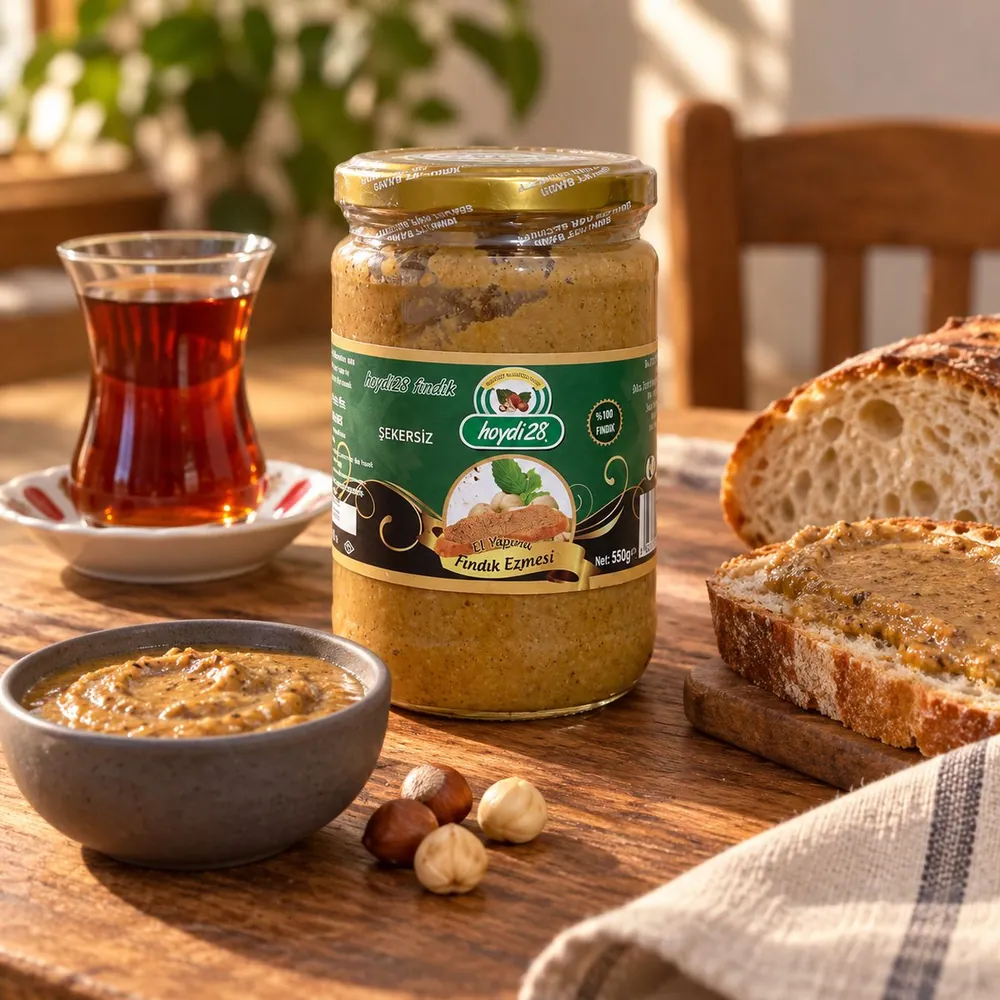
How to keep an opened jar fresh and smooth for months.
Read article →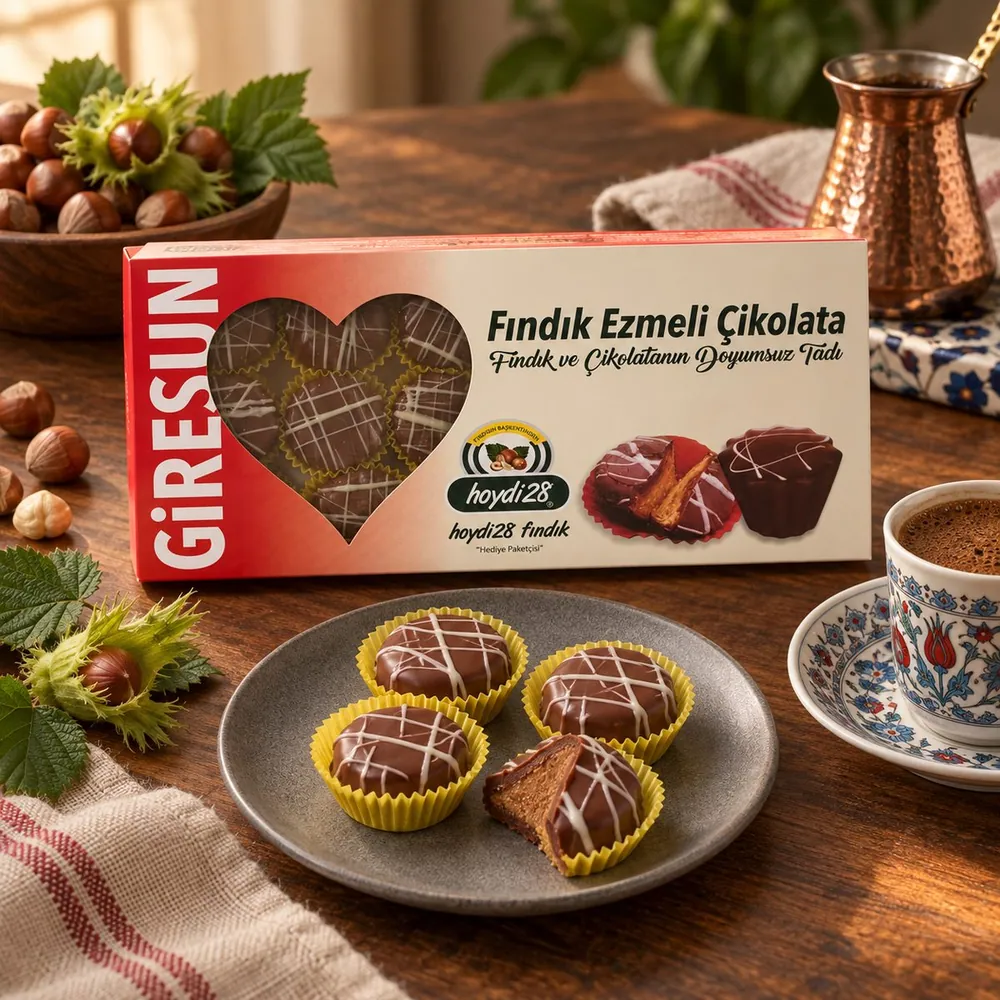
Why hazelnut boxes stand out for New Year and special-occasion gifting.
Read article →Karadeniz Fırtınası is made with hazelnuts alone. We use no fillers, flavourings, preservatives or emulsifiers, what the label says is exactly what’s in the jar.
 Chat on WhatsApp