The claim that hazelnuts are good for the heart gets repeated a lot. But what is behind it? We looked at the clinical trials of the last twenty years and the meta-analyses that pooled them.
About 61% of a hazelnut is fat. Most of that fat, however, is monounsaturated, mainly oleic acid. In an inspection study of Giresun Tombul hazelnuts, oleic acid was the dominant fatty acid, with linoleic acid at 9.45%, palmitic acid at 4.86% and stearic acid at 2.55%. The low saturated fat share puts hazelnuts closer to olive oil in nutritional profile.
This matters because the effect on blood lipids depends far more on the type of fat than on the amount.
In a study with hypercholesterolaemic participants, 18-20% of daily energy intake came from hazelnuts. Compared with the control diet, the results were:
Total cholesterol fell 7.8%, LDL cholesterol 6.17% and triglycerides 7.3%, while HDL cholesterol rose 6.07%. Flow-mediated dilation, a measure of blood vessel function, also improved markedly.
What the researchers stressed was that the improvement was not limited to cholesterol figures. Oxidised LDL, hs-CRP (an inflammation marker) and sVCAM-1 all fell, pointing to a broader picture than simply "lowering cholesterol".
In a 2016 Bayesian meta-analysis that screened nine studies and pooled three randomised trials, a significant reduction in LDL cholesterol was found in favour of the hazelnut-enriched diet. Total cholesterol also showed a marked downward trend.
In the same analysis, HDL cholesterol, triglycerides and body mass index remained substantially unchanged. That last finding matters: although hazelnuts are calorie dense, they did not cause weight gain in these trials.
In healthy participants with normal cholesterol, 30 days of hazelnut consumption raised the lag time for LDL oxidation from 54.6 to 65.2 minutes. Alpha-tocopherol (vitamin E) content within LDL increased and oxidised LDL levels fell.
This appears directly linked to the vitamin E content of hazelnuts. Because oxidation of the LDL particle is regarded as one of the early steps in arterial disease, the finding has drawn attention.
Perhaps the most striking result of the 2013 trial was this: four weeks after participants stopped eating hazelnuts, the measurements returned to baseline.
That tells us hazelnuts are not a food to be eaten as a "course" and then dropped. The researchers' recommendation was to add hazelnuts permanently to the daily diet without increasing total calorie intake.
In an eight-week randomised trial with children and adolescents with primary hyperlipidaemia, LDL cholesterol fell and the HDL/LDL ratio improved in groups given hazelnuts with and without skin. Interestingly, no clear difference was found between the skin-on and skin-off groups.
The amounts used in trials corresponded to 15-20% of daily energy, roughly 30-60 grams for an adult. The common recommendation in nutrition sources is a handful a day, about 30 grams.
The critical condition, emphasised repeatedly in the studies, is not to increase total calories when adding hazelnuts. They should replace a less nutritious snack rather than be added on top of existing meals.
Most of these studies used relatively small groups over short periods. Only three randomised trials could be included in the meta-analysis. The findings are promising, but saying "eat hazelnuts and your cholesterol will drop" overstates them.
Hazelnuts are meaningful as part of a balanced diet. If you have a cholesterol problem, treatment decisions belong with your doctor; this article is for information and is not medical advice.
Orem A. et al., "Hazelnut-enriched diet improves cardiovascular risk biomarkers beyond a lipid-lowering effect in hypercholesterolemic subjects", Journal of Clinical Lipidology, 2013.
Perna S. et al., "Effects of Hazelnut Consumption on Blood Lipids and Body Weight: A Systematic Review and Bayesian Meta-Analysis", Nutrients, 2016.
Yücesan F.B. et al., "Hazelnut consumption decreases the susceptibility of LDL to oxidation", Anatolian Journal of Cardiology, 2010.
Deon V. et al., "Effect of hazelnut on serum lipid profile and fatty acid composition of erythrocyte phospholipids in children and adolescents with primary hyperlipidemia", Clinical Nutrition, 2018.
How soil, climate and altitude combine to give Giresun hazelnuts their distinctive aroma.
Read article →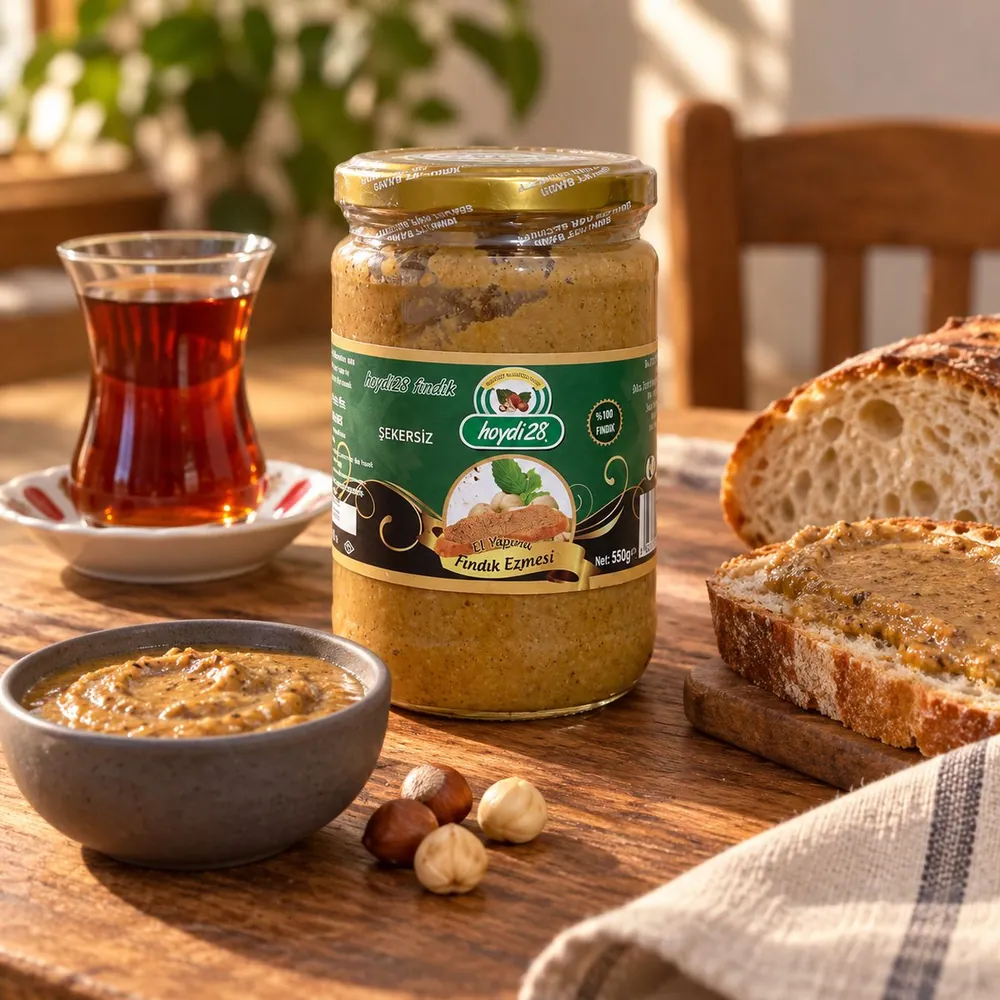
How to keep an opened jar fresh and smooth for months.
Read article →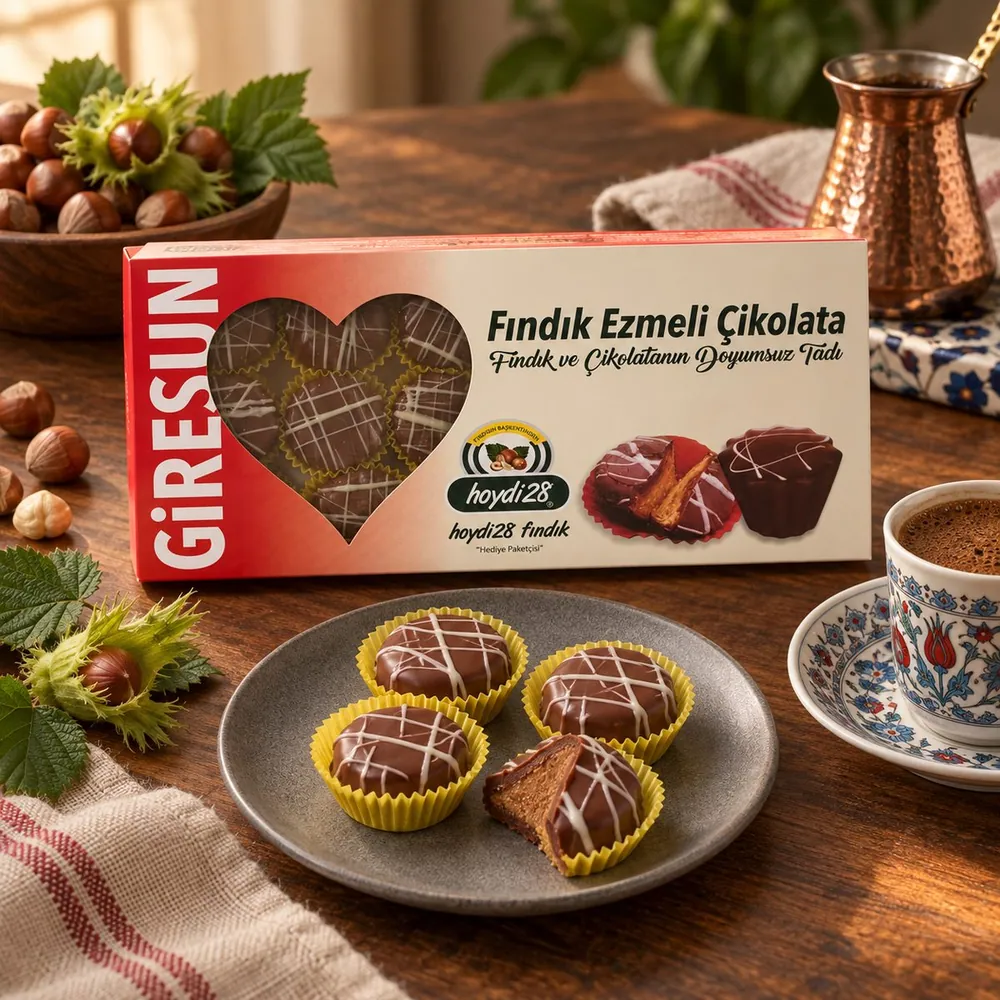
Why hazelnut boxes stand out for New Year and special-occasion gifting.
Read article →Karadeniz Fırtınası is made with hazelnuts alone. We use no fillers, flavourings, preservatives or emulsifiers, what the label says is exactly what’s in the jar.
 Chat on WhatsApp