Two products side by side on the shelf: one says "sugar-free", the other "no added sugar". Most people assume they mean the same thing. Legally they are two quite different claims.
Under the Turkish Food Codex Nutrition Claims Regulation, a food may be labelled "sugar-free" only if it contains **no more than 0.5 g of sugar per 100 g**.
The point to note: this threshold does not distinguish between sugar that occurs naturally and sugar that is added later. If total sugar is below 0.5 g, the product can be called sugar-free.
This has an interesting consequence: products containing sugar alcohols (polyols) such as maltitol or erythritol can be labelled "sugar-free" as long as they meet the threshold. So a "sugar-free" product can still taste sweet.
This claim states that no sugar was added to the product. The product itself, however, may contain naturally occurring sugar.
The classic example is fruit juice: a juice with nothing added may carry a "no added sugar" claim while containing a considerable amount of natural fruit sugar.
The Turkish Ministry of Agriculture and Forestry found that some products containing **more than 50% fructose** were being sold in a way that created a "sugar-free" impression.
The guidance to the Nutrition Claims Regulation was therefore revised. Under the new rules, products containing monosaccharides and disaccharides such as sucrose, glucose and fructose, as well as sweetening ingredients such as **honey, molasses, date syrup and fruit juice concentrate**, may no longer carry a "no added sugar" claim.
Previously this was possible: a product sweetened with honey or molasses could be described as having no added sugar, leaving consumers with the impression that it was sugar-free.
This is the most practical outcome of the change. Products carrying a "no added sugar" claim must now also state **"contains naturally occurring sugars"** on the label.
Moreover, this statement must appear wherever the claim appears, in the same typeface and style, in capitals, and in contrast with the background. It cannot be tucked into a corner in small print.
Headlines occasionally claim that the term "sugar-free" has been banned or that products will be recalled. The Chamber of Food Engineers and industry bodies have stated that such reports are inaccurate.
The regulation does not ban "sugar-free". Products with no more than 0.5 g of sugar per 100 g may continue to use it. What changed is the prevention of "no added sugar" claims misleading consumers on products containing natural sugars.
Products sweetened with polyols such as maltitol and erythritol have a calorie advantage over sugar. However, in large amounts they can cause digestive discomfort in some people.
They also do not all affect blood sugar equally: erythritol has a very low glycaemic effect while maltitol's is higher. Checking which sweetener was used tells you more than the "sugar-free" claim alone.
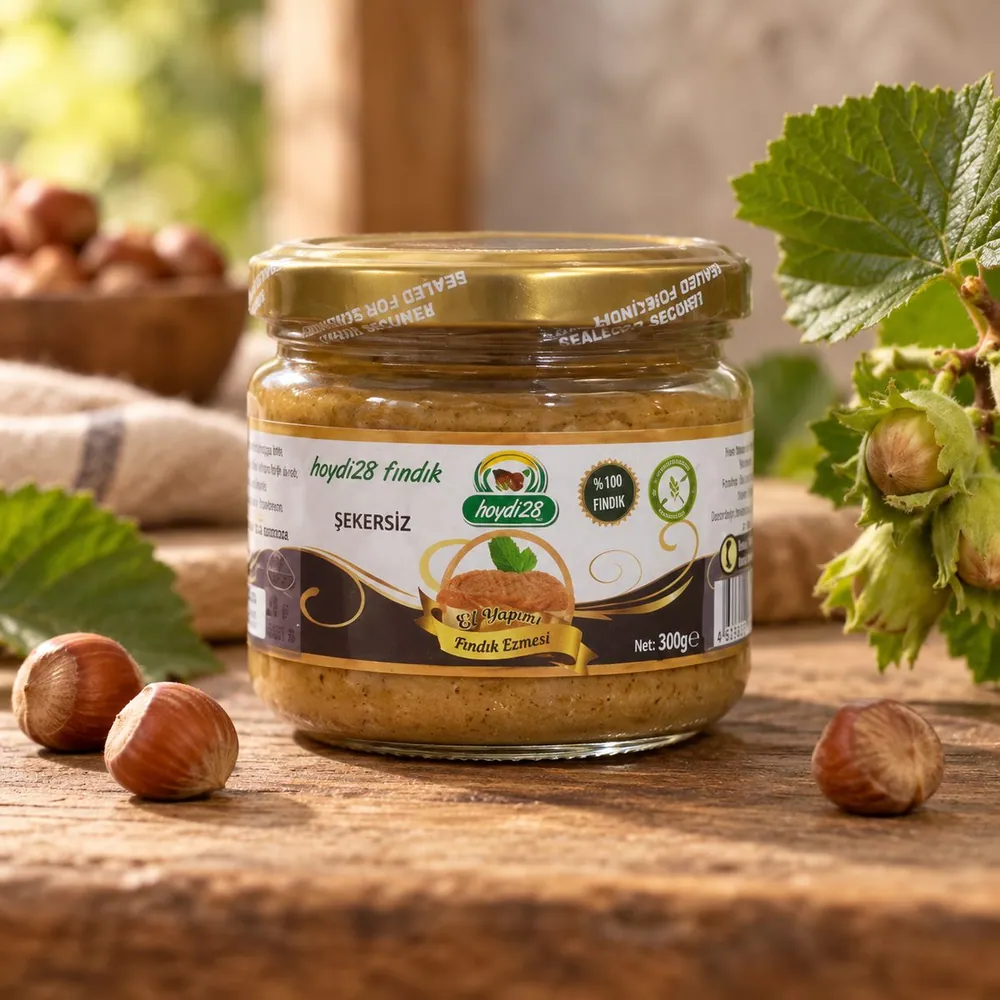
Hazelnut butter is an interesting case here. Hazelnuts naturally contain about 4.3 g of sugar per 100 g.
A butter made only from hazelnuts, with no added sugar, cannot technically meet the 0.5 g "sugar-free" threshold, because the natural sugar of the nut exceeds it. Honest labelling means describing the product as containing no added sugar and stating that natural sugars are present.
The products we call sugar-free contain no added sugar; the sweetness comes from the hazelnut alone. The ingredient list is a single line.
Look at the "sugars" line in the nutrition table, whatever the claim, the real figure is there.
Scan the ingredient list for honey, molasses, date syrup, fruit juice concentrate and glucose-fructose syrup. These are sugar under other names.
Look for the "contains naturally occurring sugars" statement; if it is there, the product contains natural sugar.
Republic of Türkiye Ministry of Agriculture and Forestry, Guidance on the Turkish Food Codex Nutrition Claims Regulation, revisions of 12 August 2024 and 24 July 2025.
Chamber of Food Engineers, Istanbul Branch, press statement on the "sugar-free" claim, September 2025.
Brix Engineering, regulatory comparison of "sugar-free" and "no added sugar" claims (Turkish Food Codex, EFSA, FDA, Codex Alimentarius).
USDA FoodData Central, natural sugar content of hazelnuts.
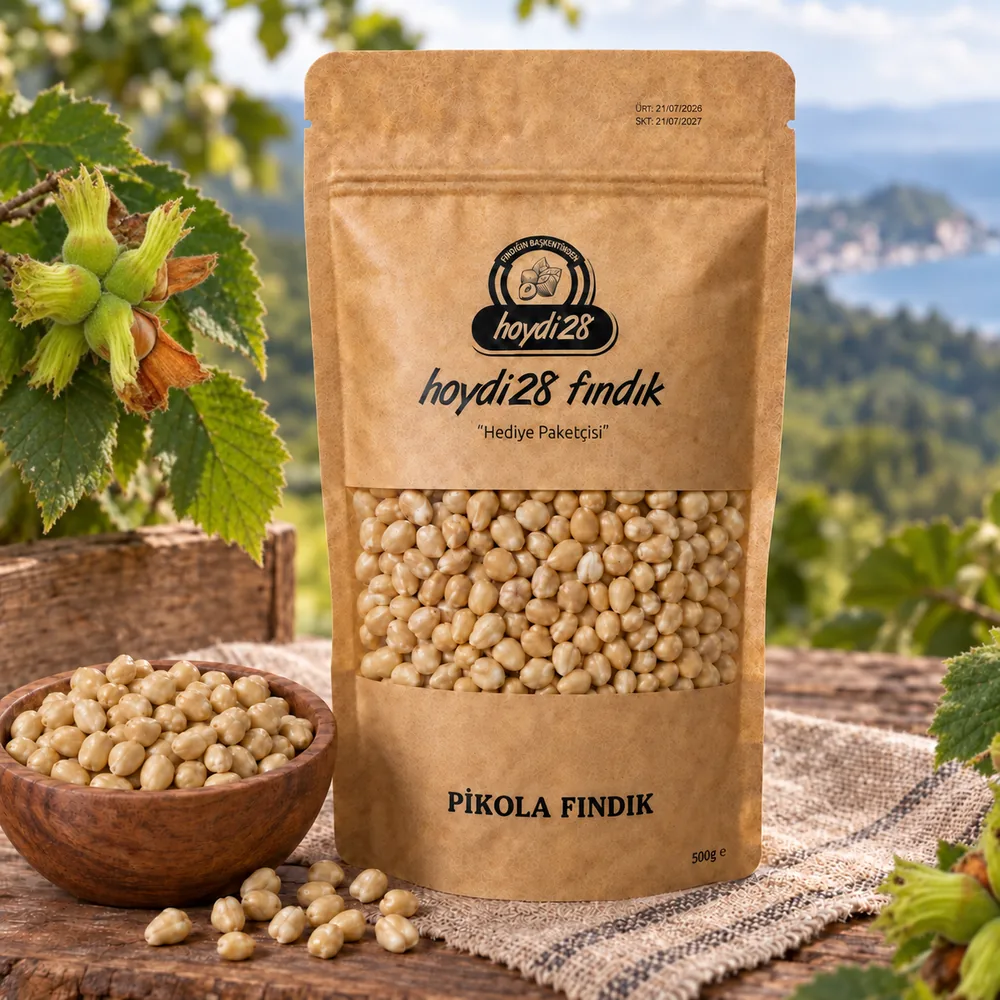
How soil, climate and altitude combine to give Giresun hazelnuts their distinctive aroma.
Read article →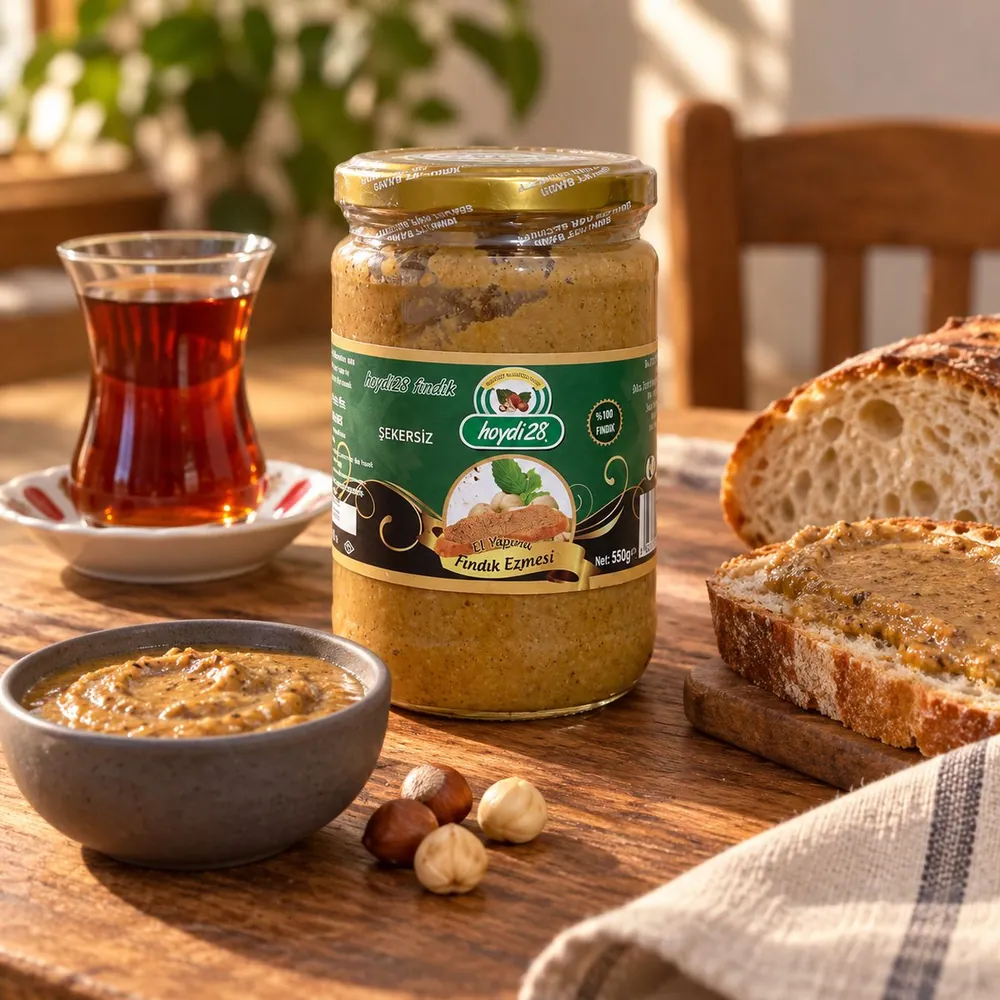
How to keep an opened jar fresh and smooth for months.
Read article →
Why hazelnut boxes stand out for New Year and special-occasion gifting.
Read article →Karadeniz Fırtınası is made with hazelnuts alone. We use no fillers, flavourings, preservatives or emulsifiers, what the label says is exactly what’s in the jar.
 Chat on WhatsApp