Giresun hazelnuts, additive-free production, storage tips and gift guides, we answer the questions one by one.
How soil, climate and altitude combine to give Giresun hazelnuts their distinctive aroma.
Read article →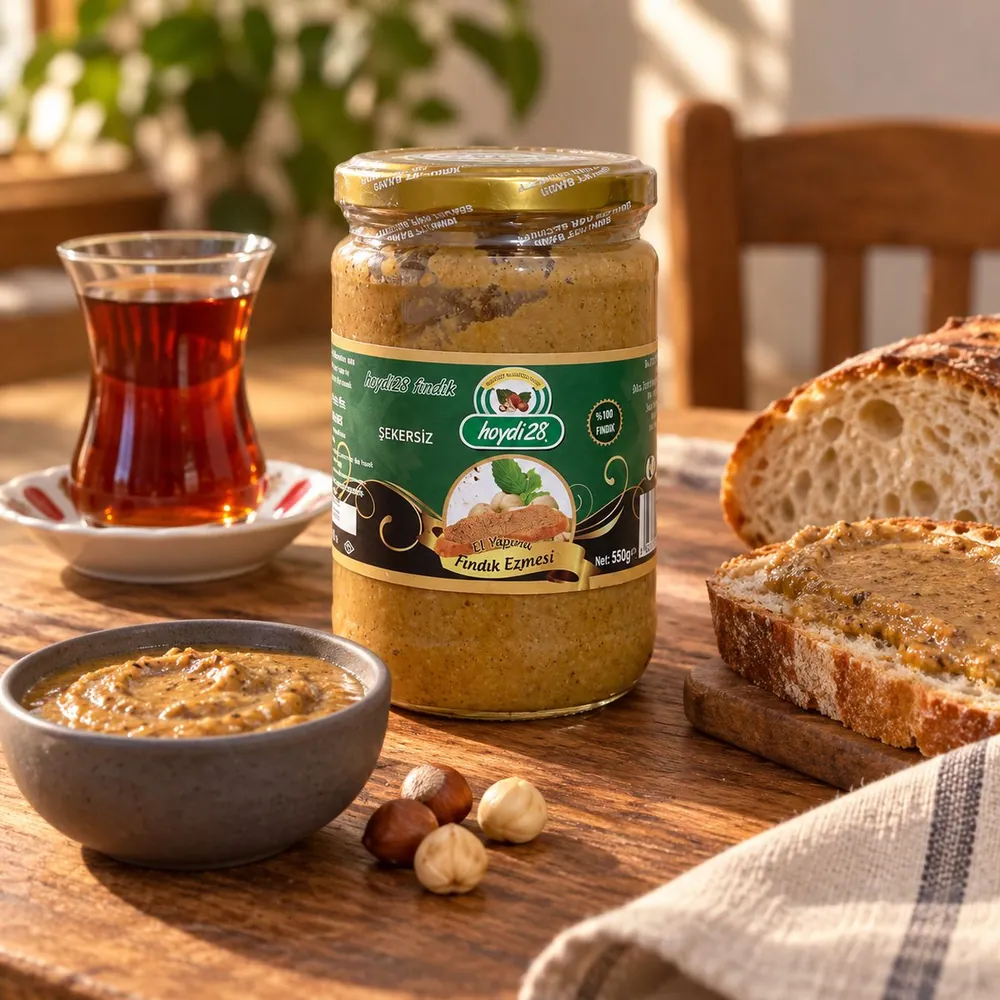
How to keep an opened jar fresh and smooth for months.
Read article →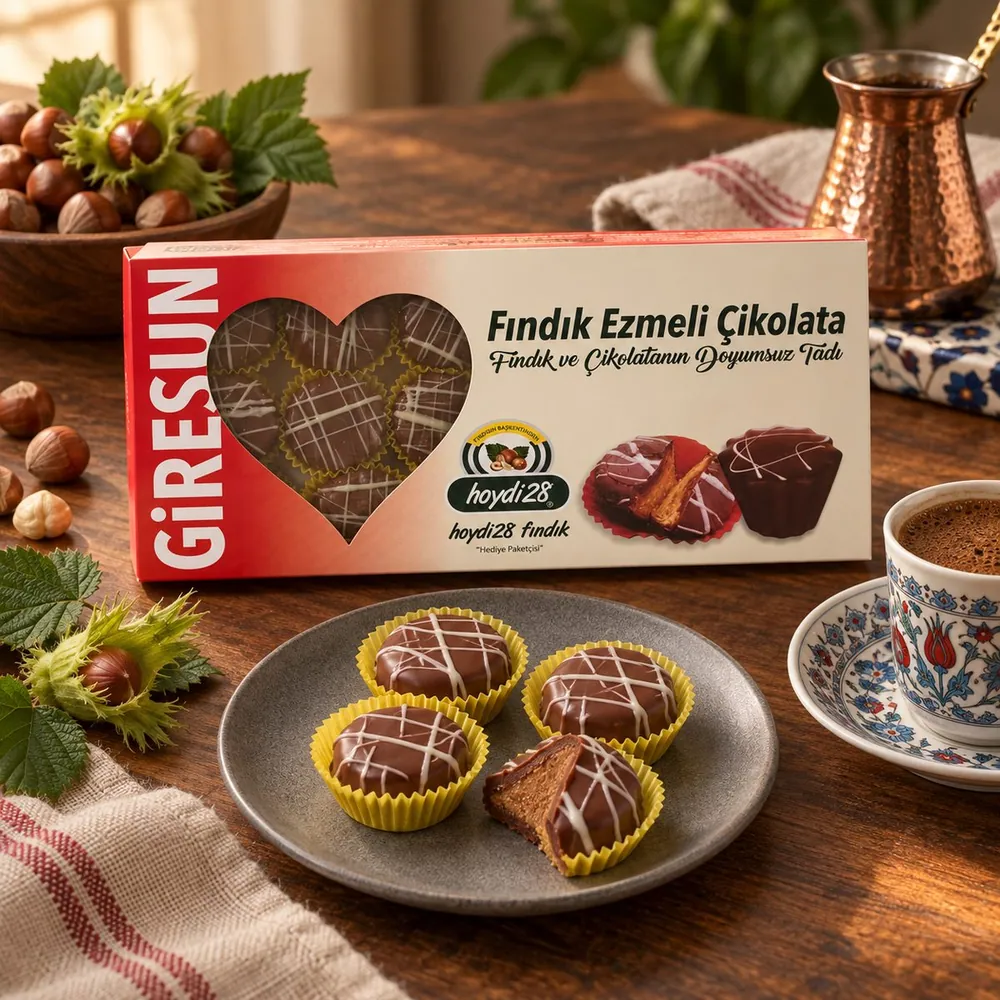
Why hazelnut boxes stand out for New Year and special-occasion gifting.
Read article →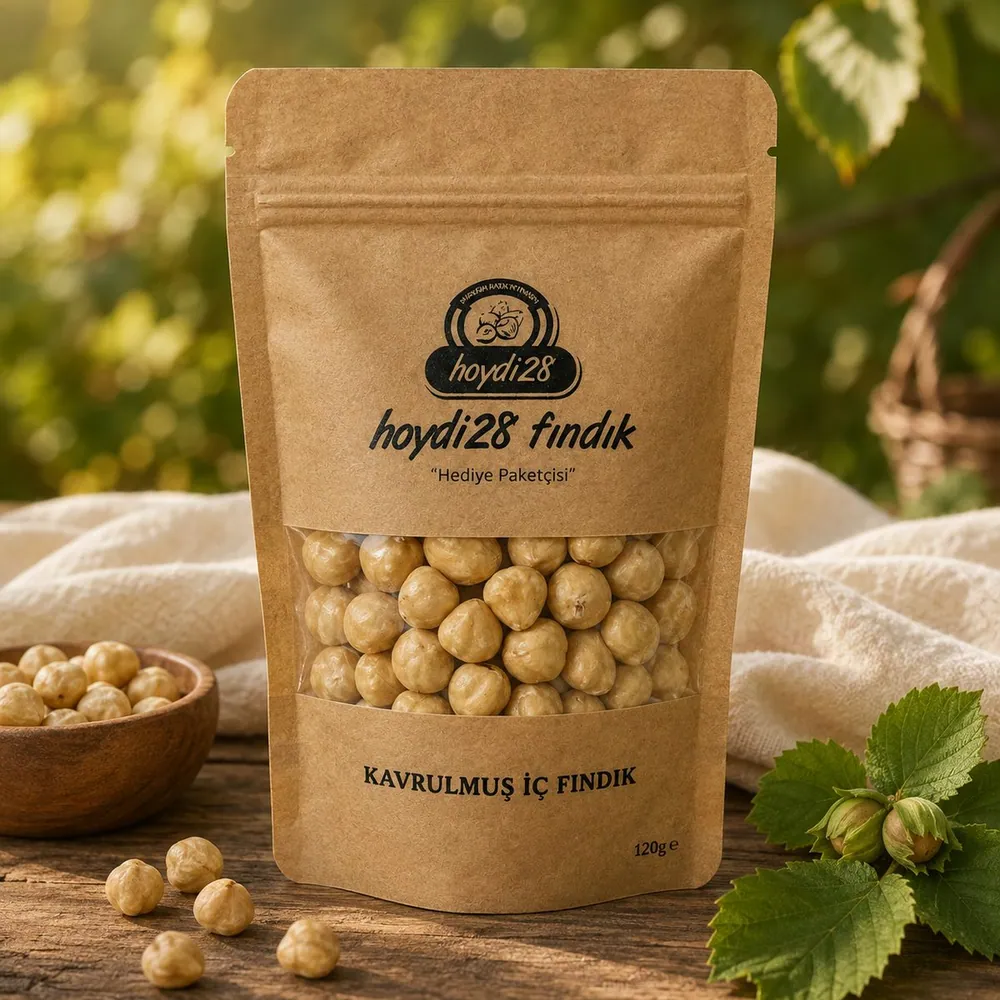
The daily amount nutritionists suggest, its calorie value, and a practical way to keep portions in check.
Read article →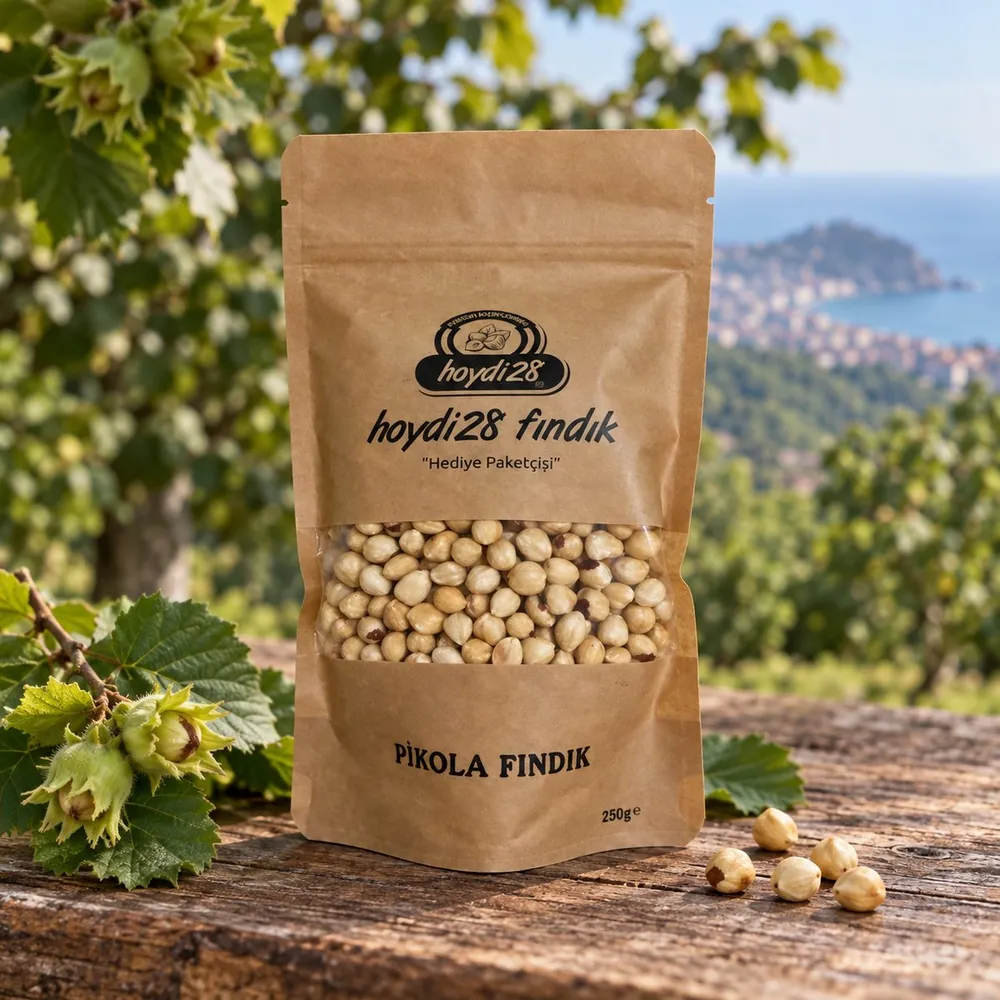
Registered in 2001 and protected across the EU since 2022, what sets Giresun Tombul apart?
Read article →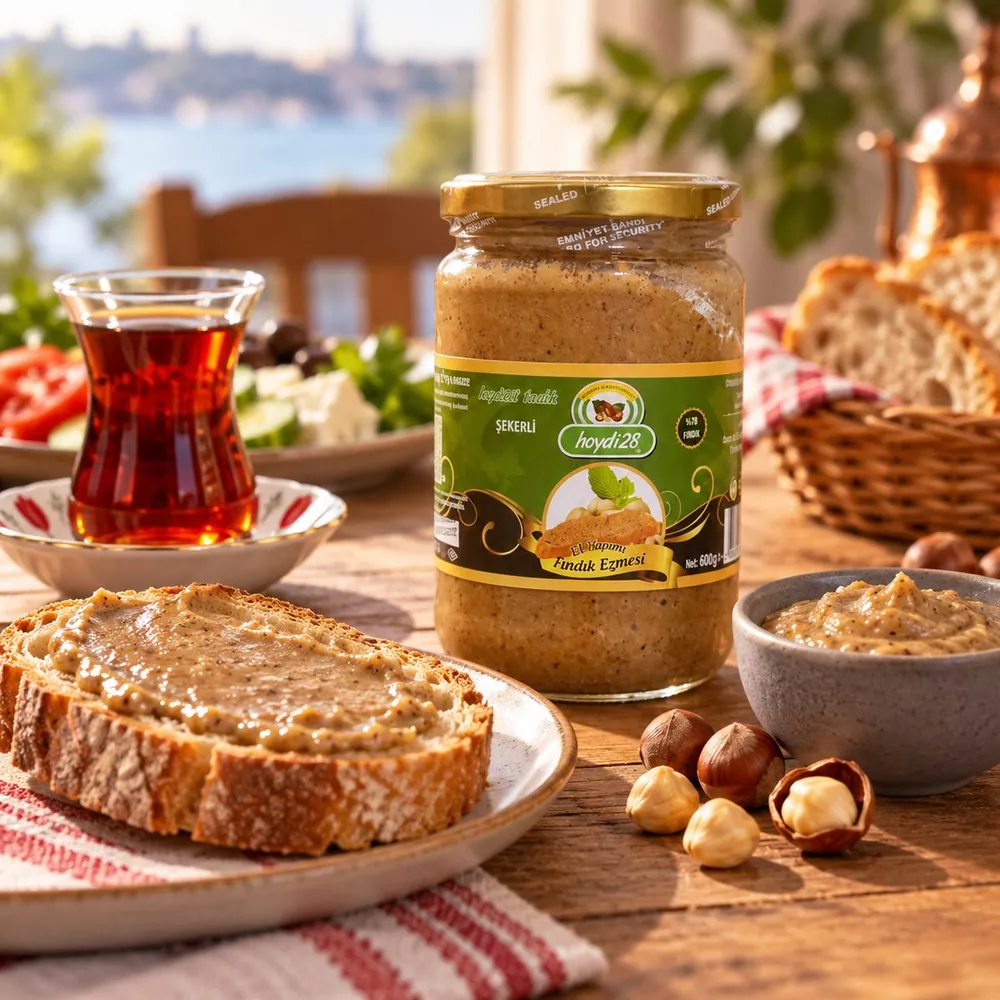
Far more than a spread: from porridge to smoothies, coffee to dessert sauces.
Read article →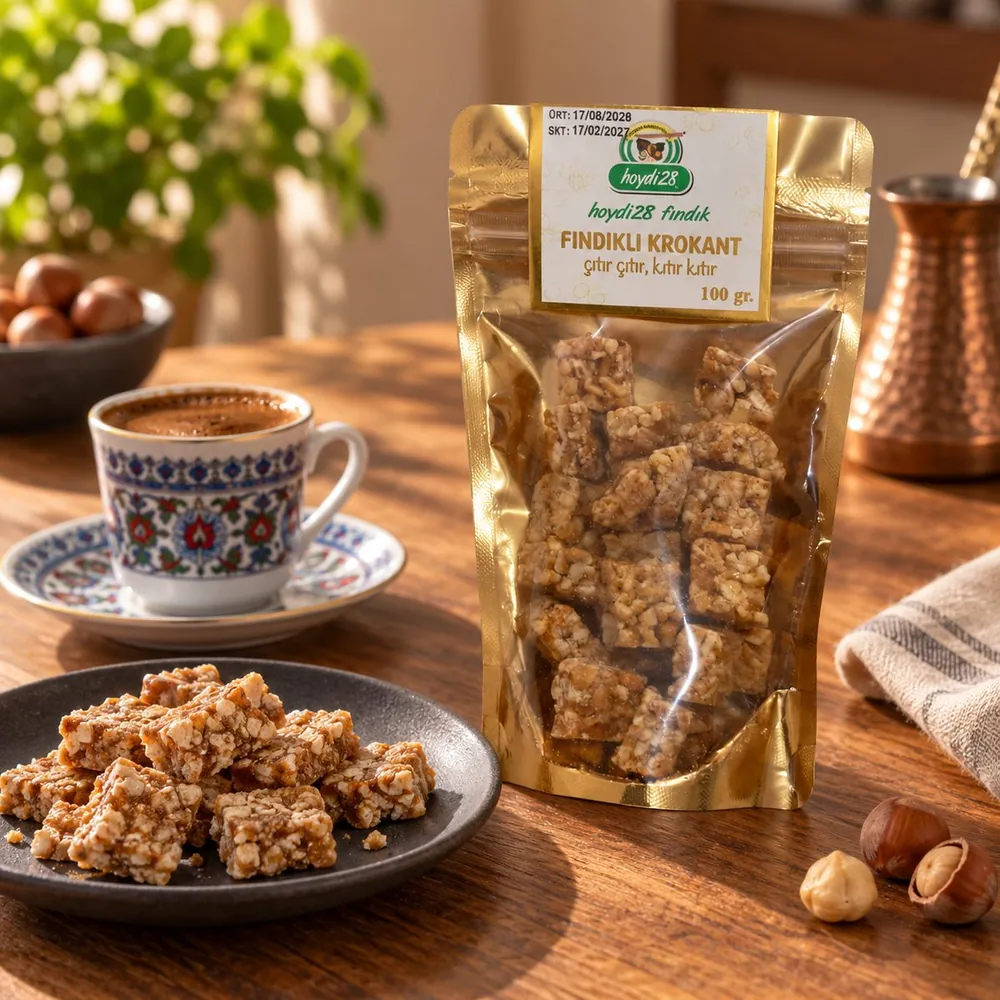
Choosing safe snacks with coeliac disease or gluten sensitivity: labels, cross-contamination and where hazelnuts fit.
Read article →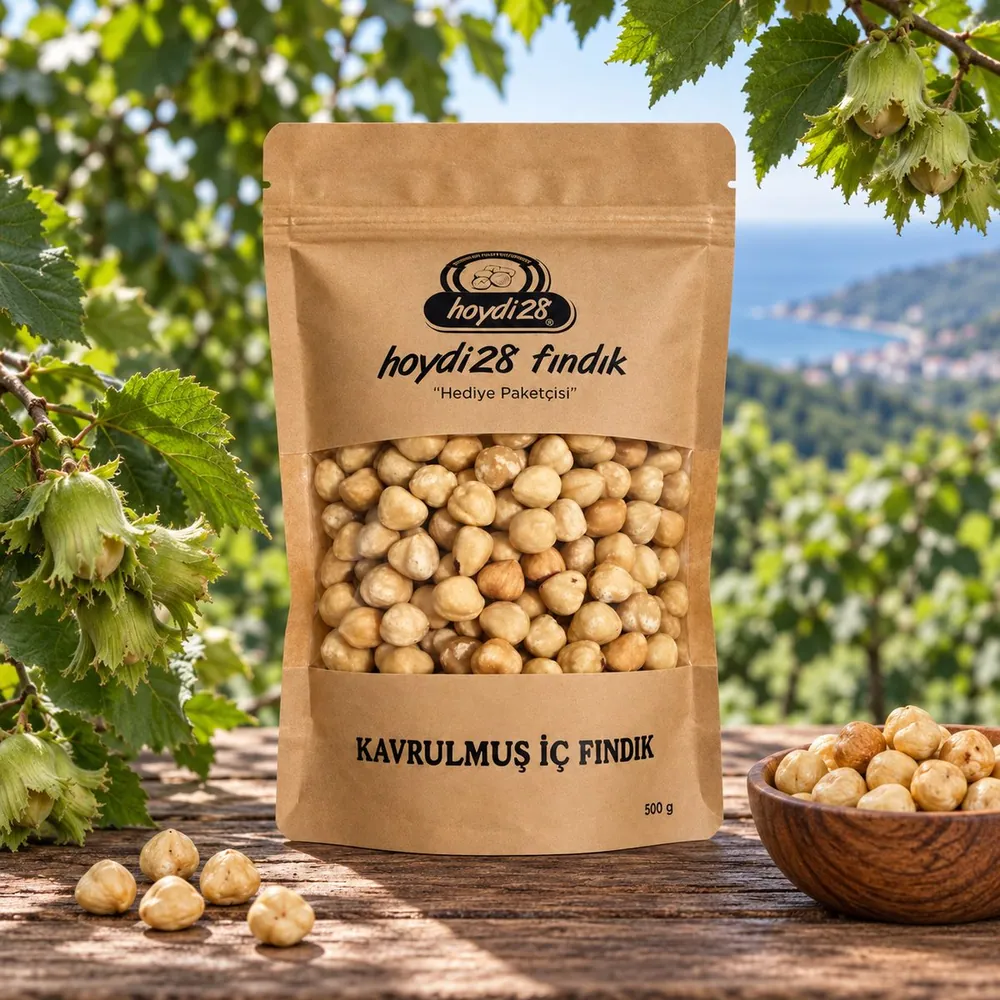
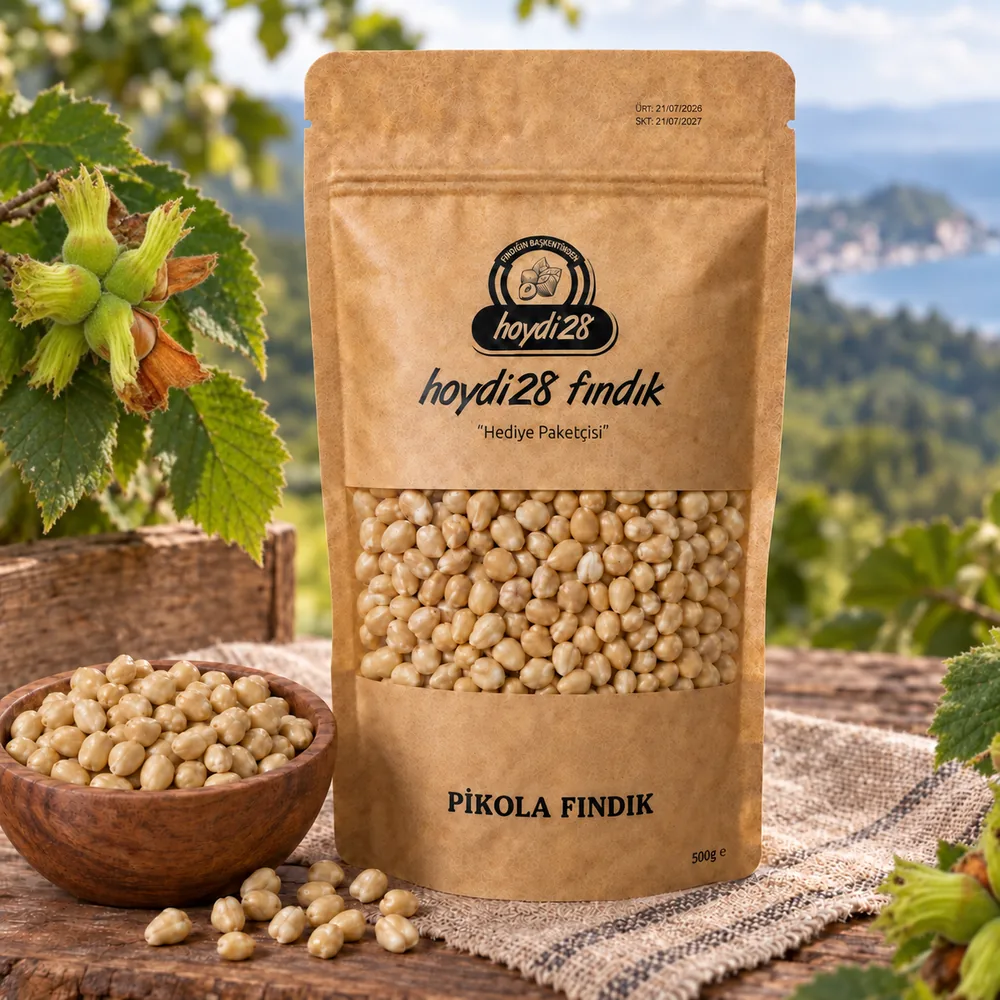
The differences between natural, roasted, double-roasted and piccola, and which suits what.
Read article →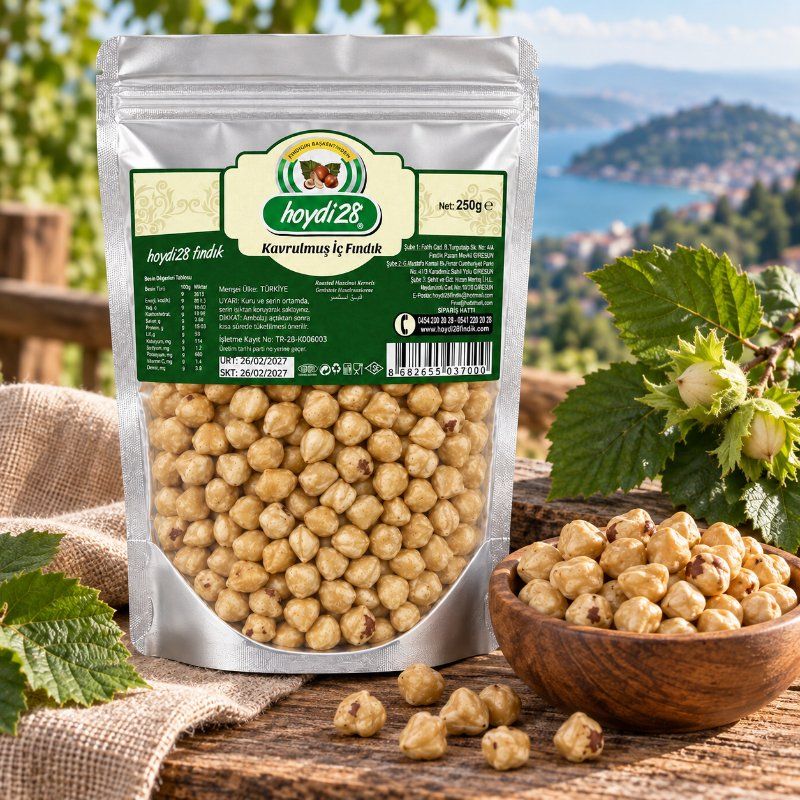
How moisture, light and air affect hazelnuts, and how to store them in the jar, fridge and freezer.
Read article →What to know about quantity, budget and storage when choosing hazelnuts for engagements, henna nights and openings.
Read article →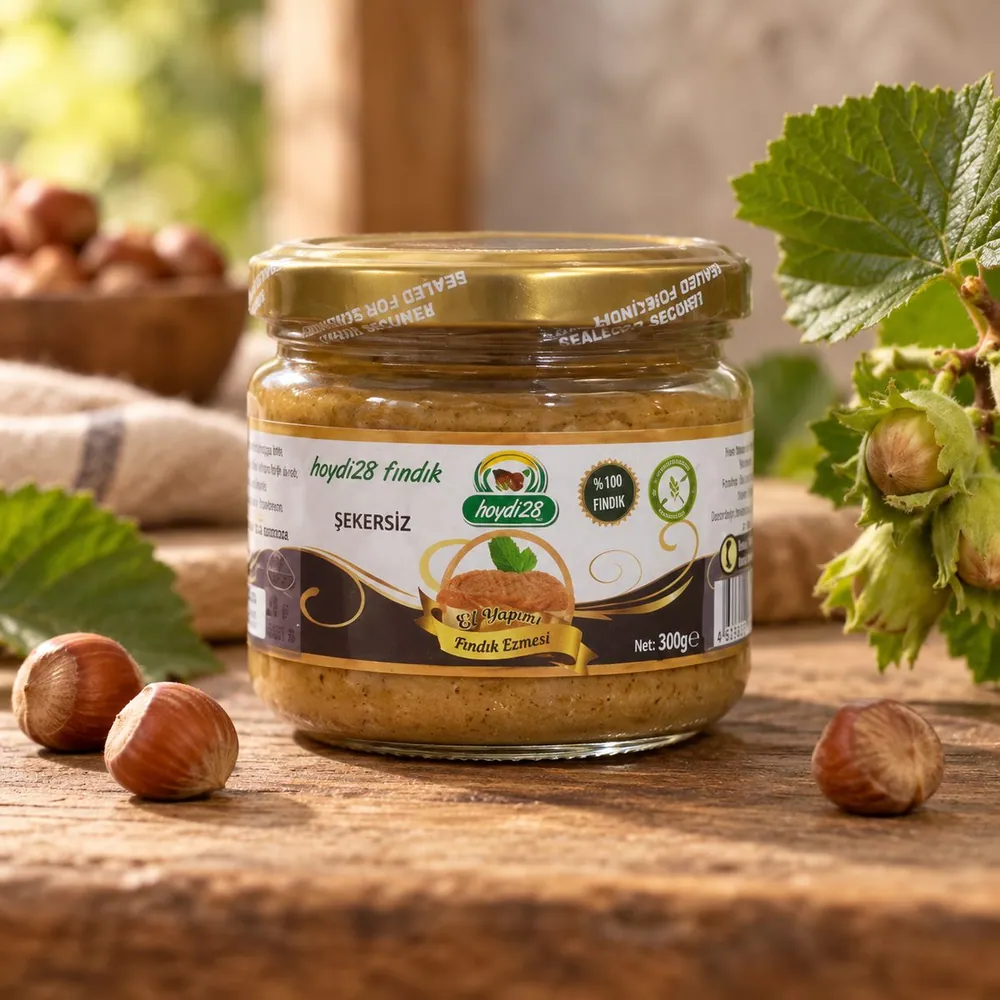
What do randomised controlled trials and meta-analyses say about the effect of hazelnut consumption on LDL cholesterol? We go through the numbers.
Read article →Vitamin E, manganese, copper, magnesium, folate and fibre. A line-by-line look at the hazelnut's nutrient profile using USDA data and academic analyses.
Read article →Registered in 2001 and protected across the EU since 2022, the technical properties of Giresun Tombul and what a geographical indication really means.
Read article →Studies on hazelnuts, blood sugar and insulin sensitivity, and why the low carbohydrate content makes a difference.
Read article →
How hazelnuts spoil, which conditions speed it up and what role vitamin E plays, the chemistry behind our storage advice.
Read article →
Tree nut allergy, cross-contamination risk in coeliac disease and how to read labels when choosing gluten-free products.
Read article →80% of gluten-free products aimed at children turned out to be high in sugar. What a 1,700-product UK survey and a study in Pediatrics found.
Read article →Under the Turkish Food Codex, a product may be called sugar-free only if it contains no more than 0.5 g of sugar per 100 g. So what does 'no added sugar' mean?
Read article →
What comes first on the ingredient list of supermarket cocoa spreads? A comparison of hazelnut content, palm oil and sugar.
Read article →The sugar content of packaged snacks, the gluten-free trap and practical options for the school lunch box.
Read article →Despite being calorie dense, nuts do not cause weight gain in trials. Three mechanisms explain why: satiety hormones, unabsorbed calories and the food matrix.
Read article →120°C or 170°C? Roasting time and temperature directly affect antioxidant capacity, lipid oxidation and shelf life.
Read article →How post-harvest drying, storage temperature and sorting affect aflatoxin risk, explained with EU limits and research findings.
Read article →Cerebral blood flow and verbal memory were measured in participants over 65 who ate 60 g of nuts daily for 16 weeks. The MRI findings are notable.
Read article →
The skin is just 2.5% of a hazelnut's weight but holds most of its polyphenols. Measurements put its antioxidant capacity at ten times that of espresso.
Read article →Export volume fell 42% in the 2025/26 season while revenue dropped only 6.8%. The figures reveal both the core problem and the opportunity.
Read article →The fibre and polyphenols in nuts feed gut bacteria. But a meta-analysis of randomised trials paints a more cautious picture than expected.
Read article →
Children of mothers who ate nuts in the first trimester scored better on cognitive function, attention and long-term working memory. How reliable is that?
Read article →A dose-response meta-analysis in BMC Medicine quantifies how a 28 g daily increase in nut intake relates to heart disease risk.
Read article →
Hazelnuts are recommended for skin and hair because of their vitamin E. But what do the clinical trials say? A randomised almond study and the hair-loss research.
Read article →Athletes lose magnesium through sweat, and hazelnuts provide 163 mg per 100 g. But what does the evidence say about muscle soreness and recovery?
Read article →Türkiye is the world's largest hazelnut producer but ranks near the bottom for yield. Pruning and renewal have quadrupled output in the same orchards.
Read article →Charred hazelnut shells from the Assyrian trade colony at Kültepe are the earliest direct evidence of hazelnut trade in the region. A decade-long DNA study then produced an unexpected result.
Read article →In Europe, hazelnut allergy mostly stems from cross-reactivity with birch pollen and tends to be mild. In Türkiye the picture differs, and geography explains why.
Read article →You can make butter from hazelnuts alone, but the result differs from shop-bought jars. The food science behind it and the practical tips.
Read article →Karadeniz Fırtınası is made with hazelnuts alone. We use no fillers, flavourings, preservatives or emulsifiers, what the label says is exactly what’s in the jar.
 Chat on WhatsApp